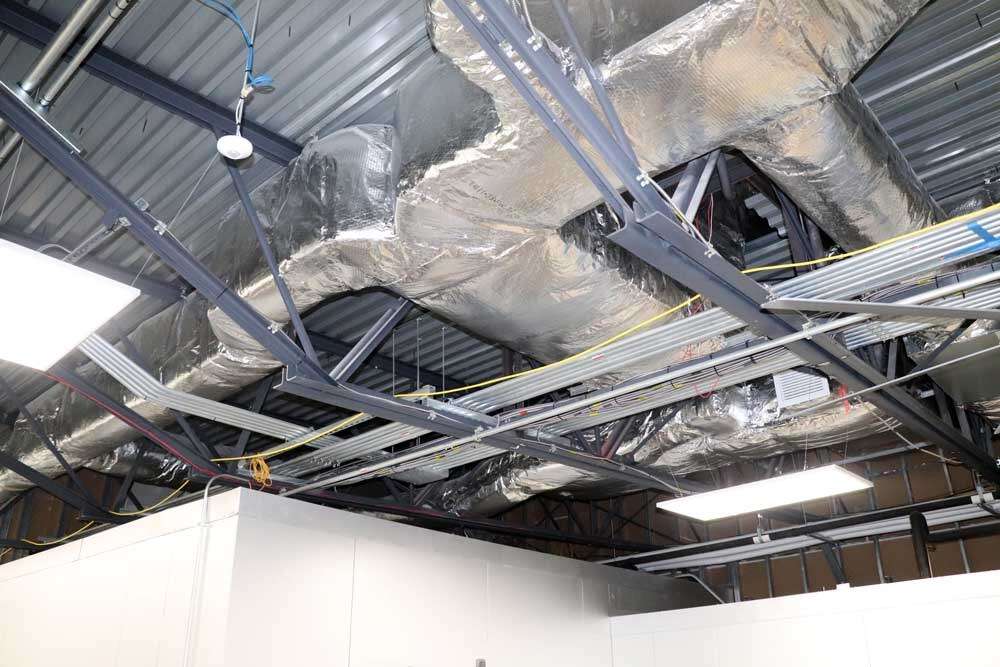
As commercial buildings across the Shenandoah Valley close up for the heating season, the outside air that kept spaces fresh all summer gets shut out. Windows stay closed, economizers dial back, and more people spend more hours indoors. That combination is exactly when commercial indoor air quality problems tend to surface, and it is the right moment for facility teams to get ahead of them.
Fall is a transition few building operators plan for on the air-quality side. Below, we walk through what changes when a commercial building seals up for winter, the issues that follow, and a practical checklist to keep your air healthy and your occupants comfortable through the cold months.
Why Commercial Indoor Air Quality Slips in the Fall
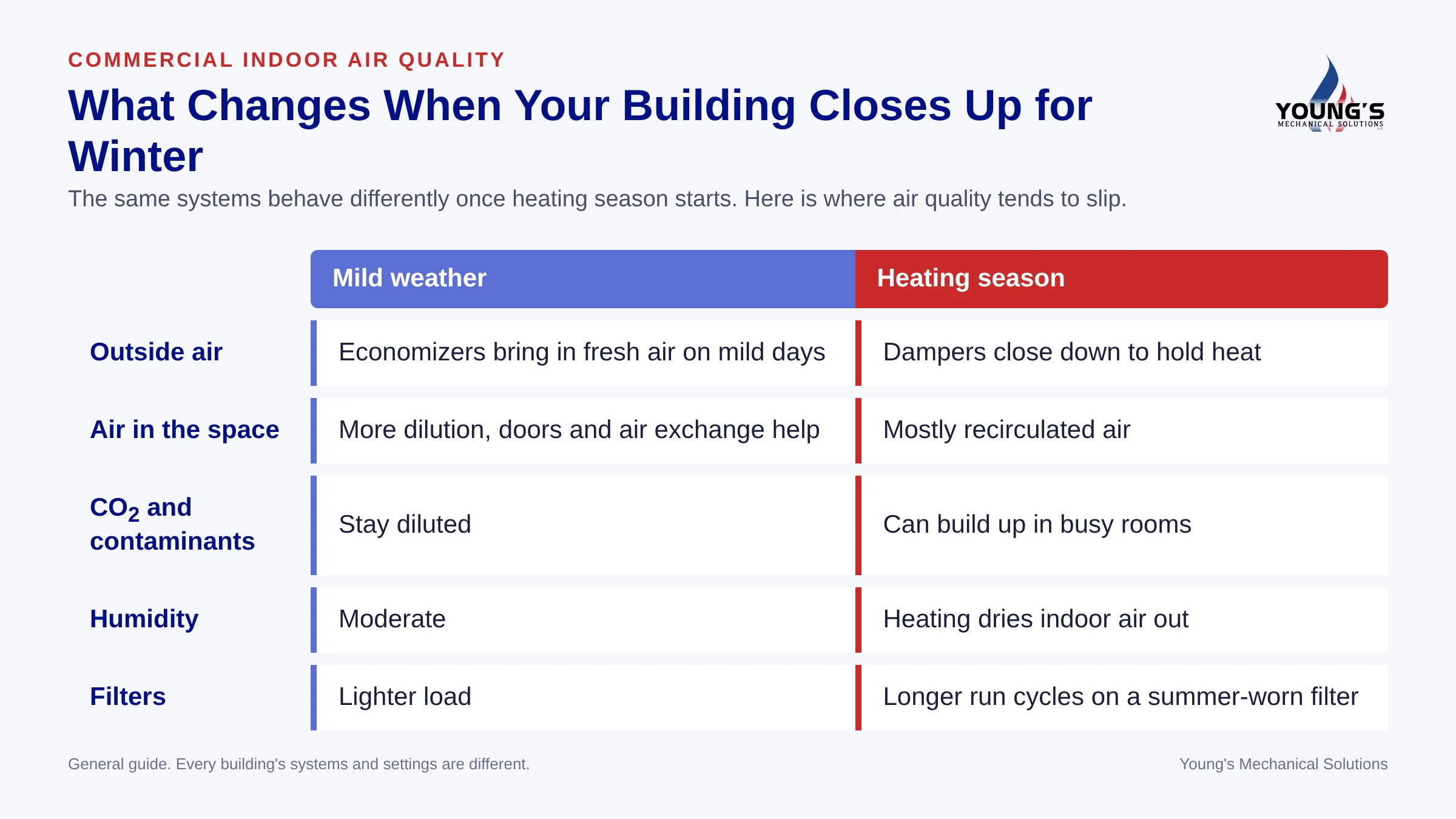
Through spring and summer, ventilation does a lot of quiet work. Rooftop units bring in outside air, economizers take advantage of mild days, and open doors and higher air exchange keep contaminants diluted. Once temperatures drop and a building shifts into heating mode, that dynamic reverses.
Outside-air dampers close to conserve heat. Occupants stop propping doors. Recirculated air carries more dust, more carbon dioxide, and more of whatever the building is off-gassing. If filtration and ventilation controls are not tuned for the season, indoor air quality can quietly degrade for months before anyone connects it to comfort complaints or sluggish afternoons.
The usual fall and winter culprits
- Under-ventilation: Outside-air rates set too low to save energy can push carbon dioxide levels up in conference rooms, classrooms, and open offices.
- Dry air: Heating season strips humidity out of the air, which affects comfort, static, and occupant health.
- Loaded filters: A filter that coasted through summer may be near the end of its life just as the system starts running longer heating cycles.
- Stagnant zones: Spaces that were fine with summer airflow can go stale once dampers close and balance shifts.
What Fall IAQ Readiness Actually Involves
Getting a commercial building ready is less about a single fix and more about tuning the whole ventilation and filtration picture for the season ahead. A thorough fall indoor air quality review looks at several systems together.
Filtration
Replace filters before the heating season ramps up, and confirm the MERV rating still matches the building’s needs and the equipment’s capability. A filter with too much resistance for the unit can starve airflow; one with too little filtration lets particulates recirculate all winter.
Ventilation and outside-air balance
Verify that outside-air dampers, economizers, and demand-controlled ventilation are working as designed. Energy conservation matters, but it should never come at the cost of the minimum fresh-air rates a commercial space needs to stay healthy and code-compliant.
Humidity
For facilities with humidification, fall is the time to confirm the equipment is ready before dry indoor air becomes a comfort and health issue. Many buildings never realize a humidifier failed until midwinter.
Controls and scheduling
Review how the building automation system stages ventilation across occupied and unoccupied hours. Ventilation set correctly for summer may not fit a heating-season schedule.
Why a Commercial-Focused Partner Matters Here
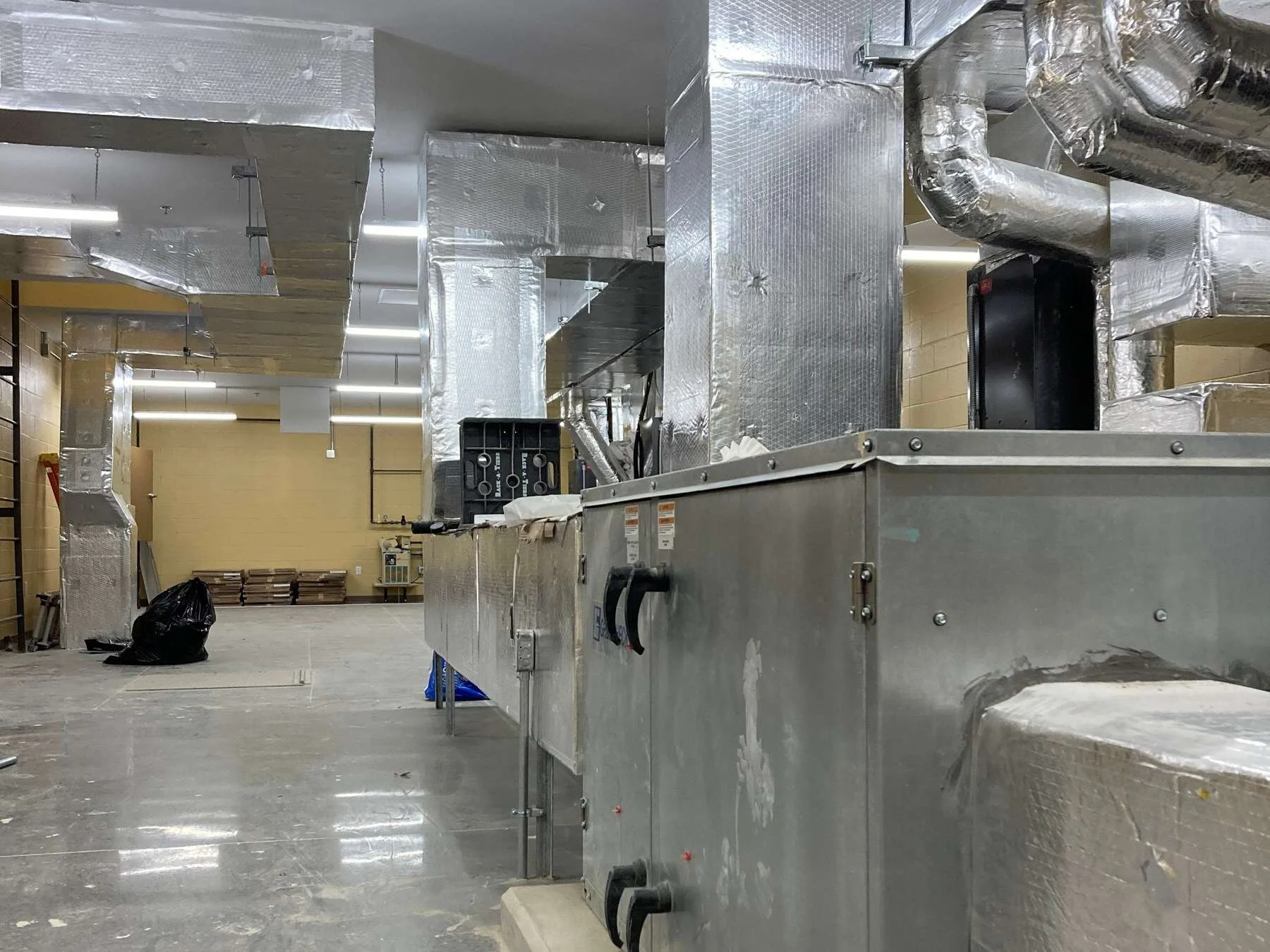
Indoor air quality in a commercial building is a systems problem, not a filter swap. It touches rooftop units, air handlers, ductwork, controls, and how the whole assembly is balanced. Young’s Mechanical Solutions works on commercial mechanical systems exclusively, so our technicians read the full picture (ventilation rates, filtration, humidity, and controls) rather than treating one symptom at a time.
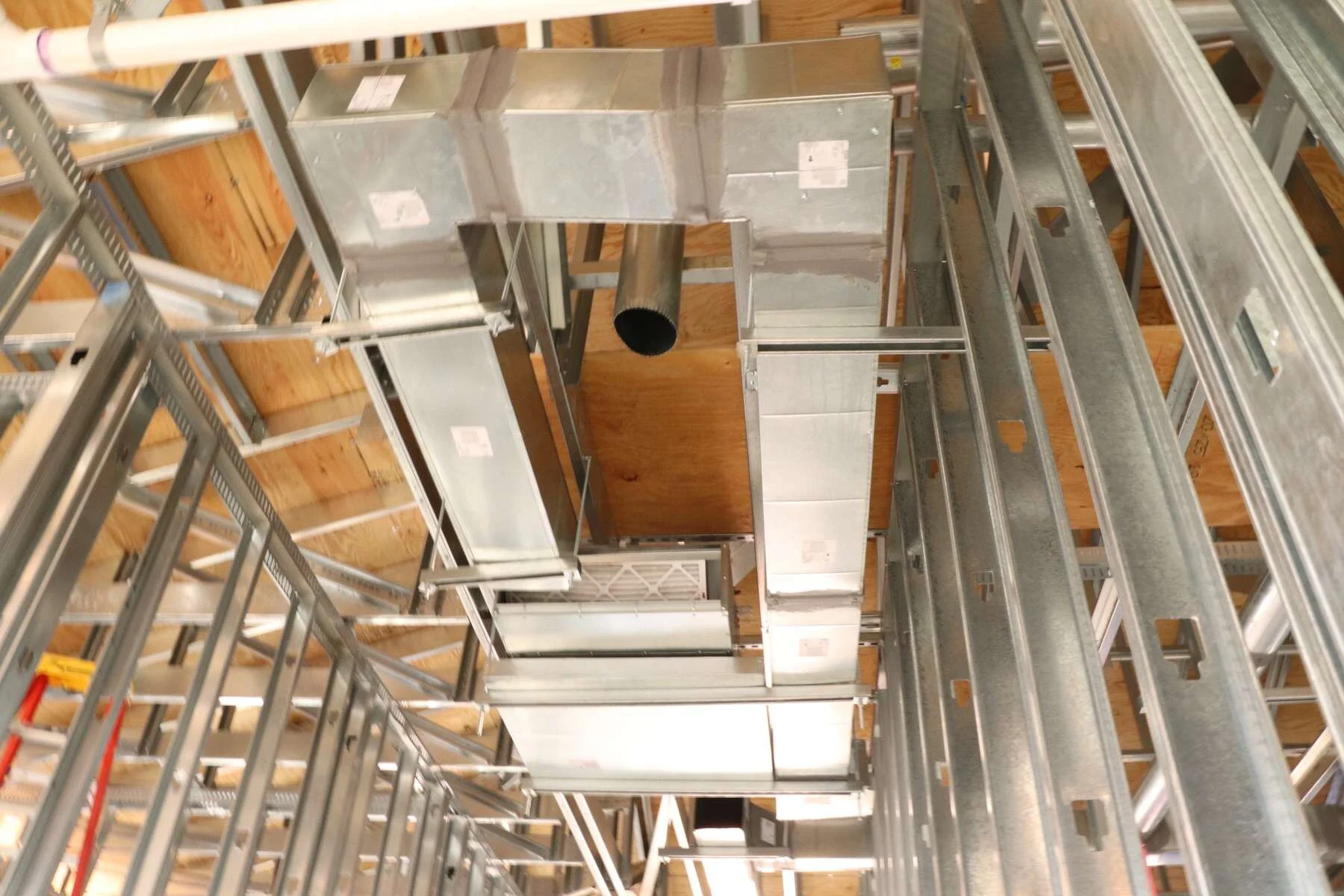
Because we serve facilities throughout Harrisonburg, Rockingham County, and the wider Shenandoah Valley, we also understand how our region’s fall-to-winter swing behaves. Our tech-driven service dispatch keeps a repair and service history for your building, so seasonal adjustments build on what we already know about your equipment instead of starting from scratch each visit.
Your Fall IAQ Checklist
Before your building fully closes up for winter, work through these steps:
- Replace or upgrade filters and confirm MERV ratings suit the equipment
- Test and calibrate outside-air dampers and economizers
- Verify demand-controlled ventilation and CO2 sensors are reading correctly
- Check humidification equipment before the dry season sets in
- Confirm ventilation schedules match heating-season occupancy
- Inspect ductwork and diffusers for balance in problem zones
- Document baseline readings so you can track drift through winter
Handled early, indoor air quality becomes one less thing to react to once the cold weather and the comfort complaints arrive.
Young’s Mechanical Solutions
Keep Your Commercial Air Healthy Through Heating Season
Clean, well-ventilated air protects occupant comfort, productivity, and health while your building is sealed up against Valley winters. A focused review of filtration, ventilation, and controls is the most cost-effective way to get there.