Creating Mechanical Resilience for Extreme Weather in the Shenandoah Valley

Businesses rely on their buildings to remain comfortable and functional no matter what the weather brings. Whether a summer heatwave pushes cooling systems to their limits or a winter storm covers parking lots in ice, mechanical systems must keep staff productive and equipment running. At Young’s Mechanical Solutions, resilience isn’t an afterthought—it is built in from day one.

The process begins long before the first sheet‑metal panel is fabricated. During pre‑construction, the company’s engineers study the region’s climate to understand the extremes it will face. Their team notes that the Shenandoah Valley experiences hot, humid summers and snowy winters, so they design systems with those conditions in mind. Load calculations help determine the right size and capacity of chillers, boilers and pumps. They also evaluate renewable‑energy options and look for utility incentives that can offset the cost of high‑efficiency equipment.

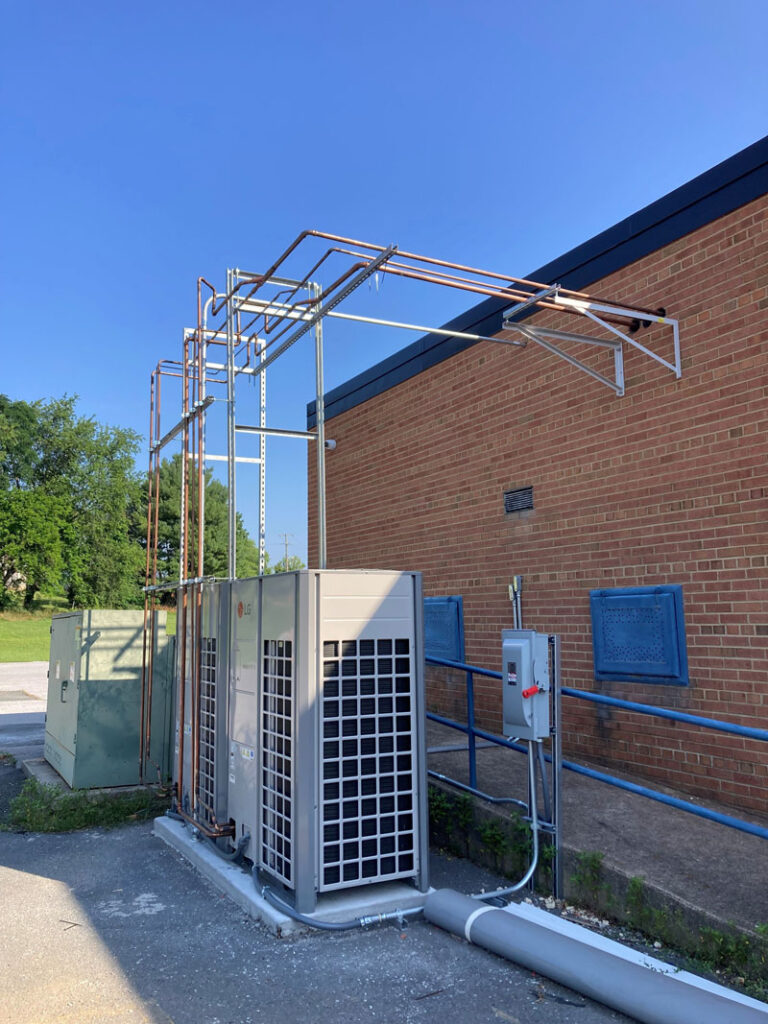
Selecting the right technology is essential. In one recent project, the company installed radiant floor heating served by air‑to‑water heat pumps to provide consistent warmth without wasting energy. These systems don’t just heat the building itself; snow‑melt loops embedded in exterior slabs prevent ice buildup and improve safety. Similar strategies are used when designing mechanical systems for facilities that require continuous operation—redundant chillers and pumps ensure that there is always backup capacity.

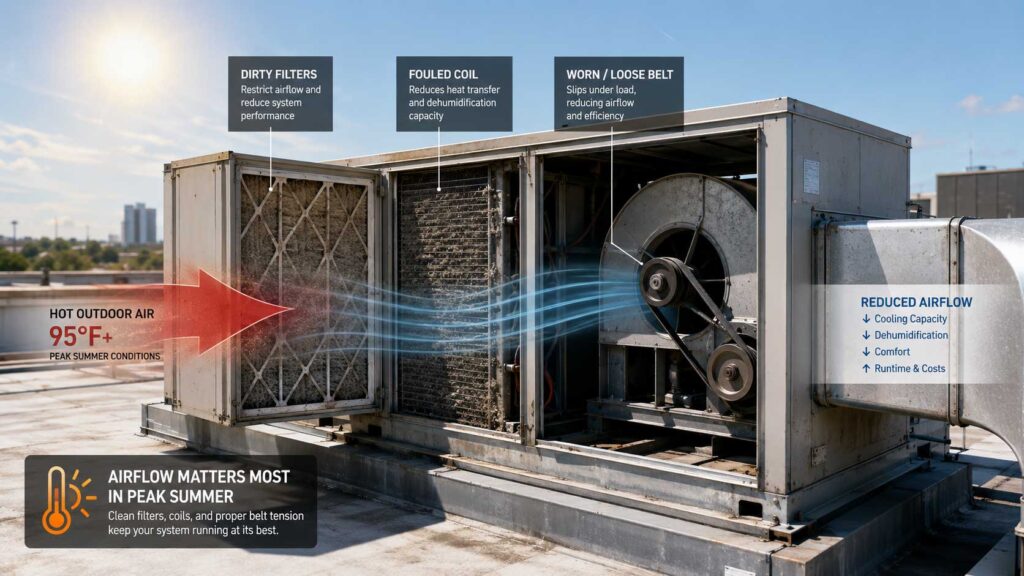
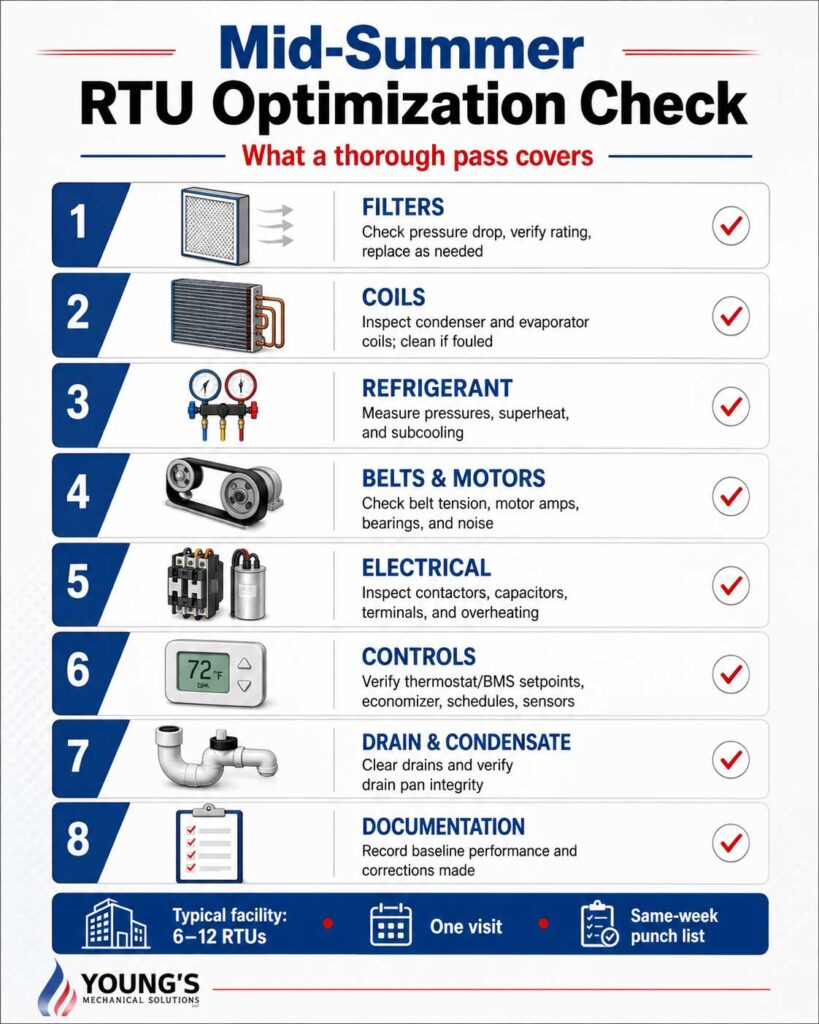
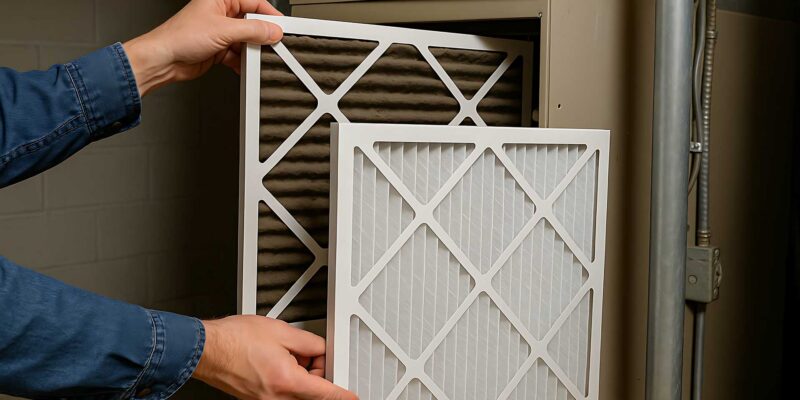
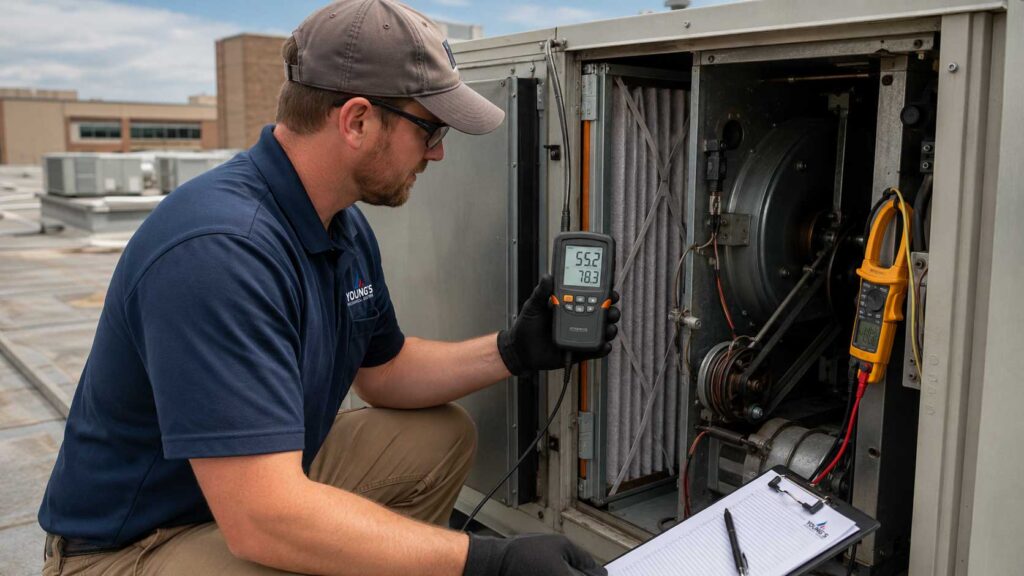
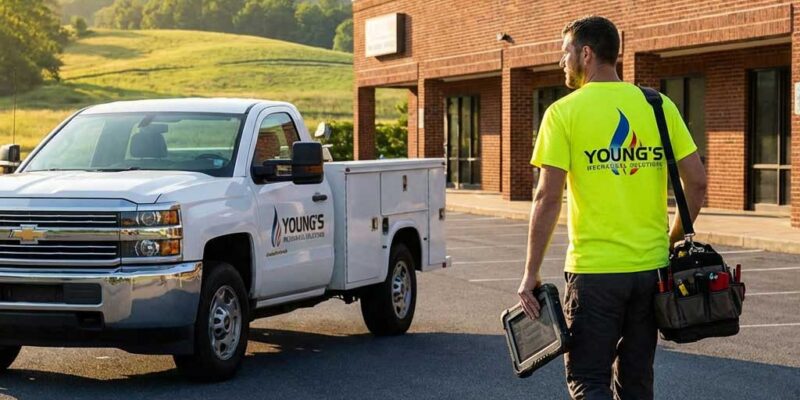
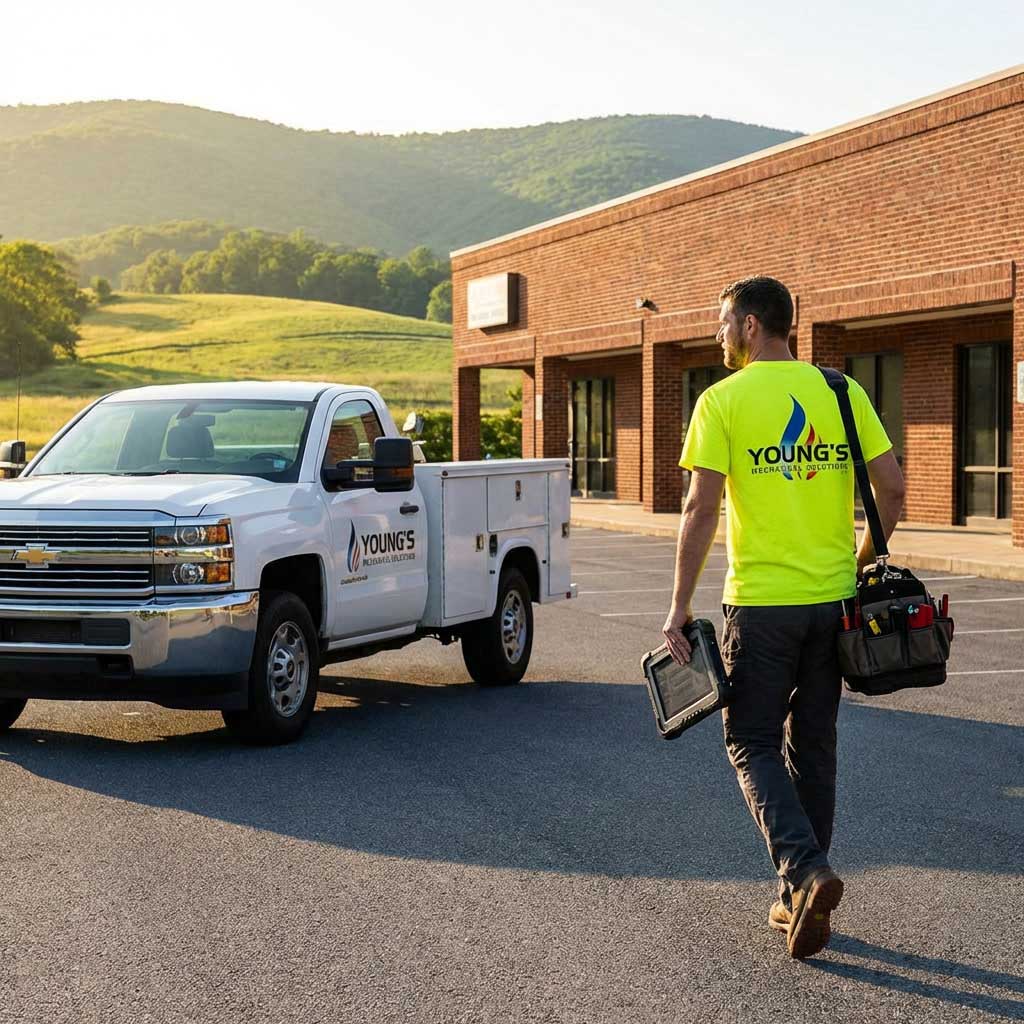
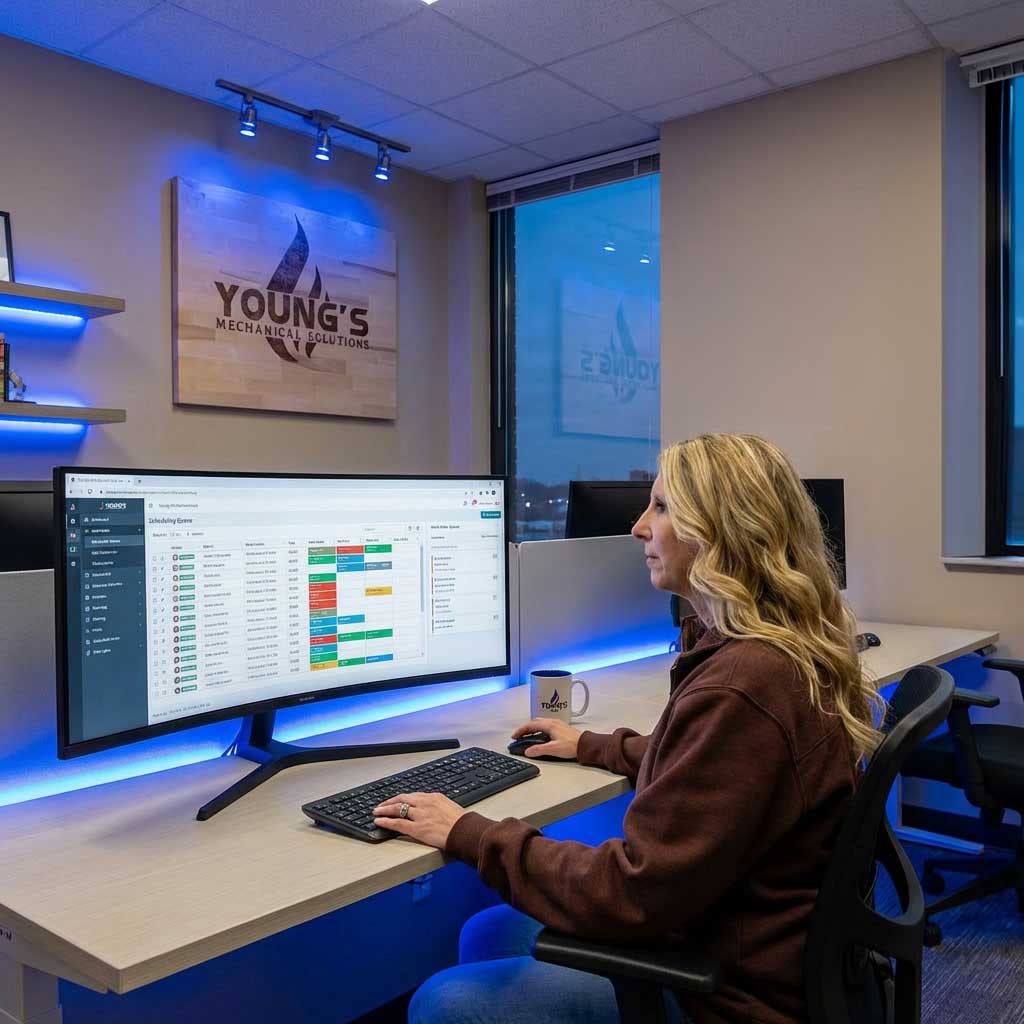
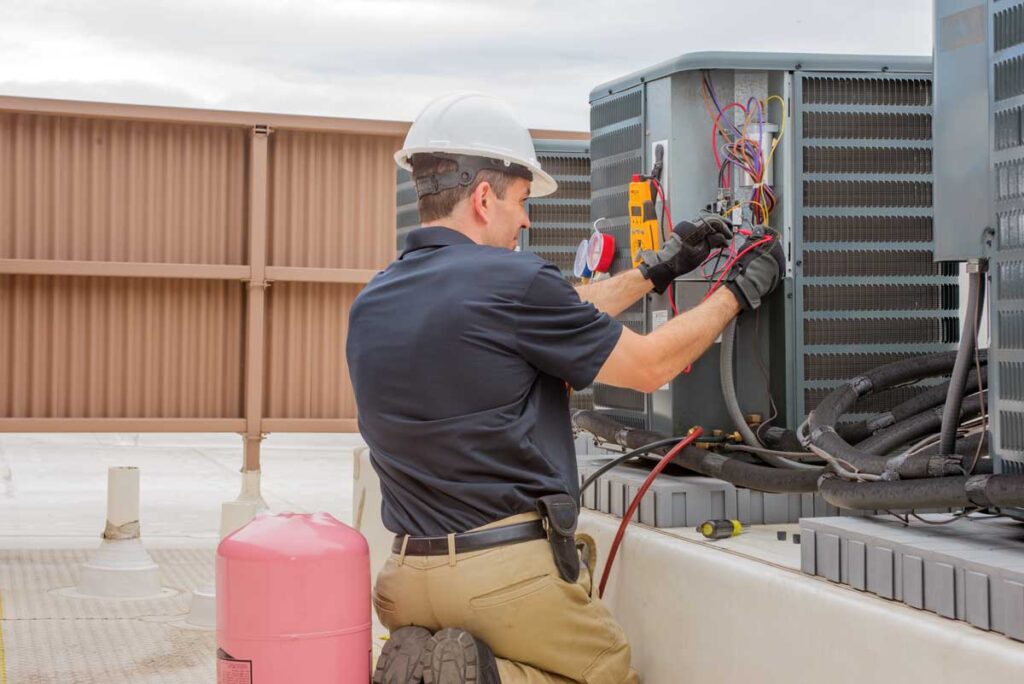
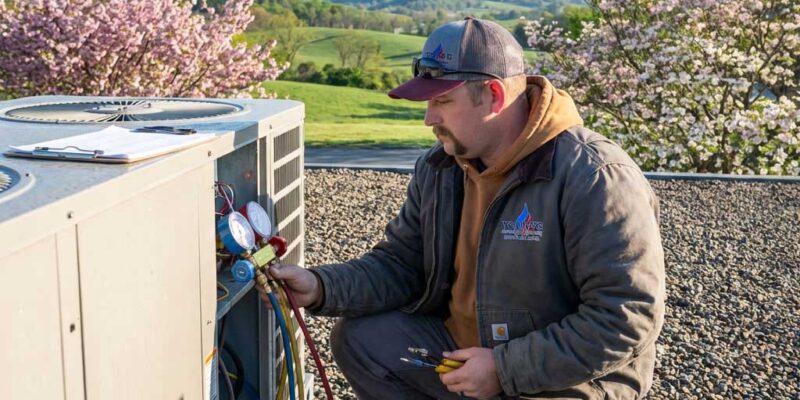
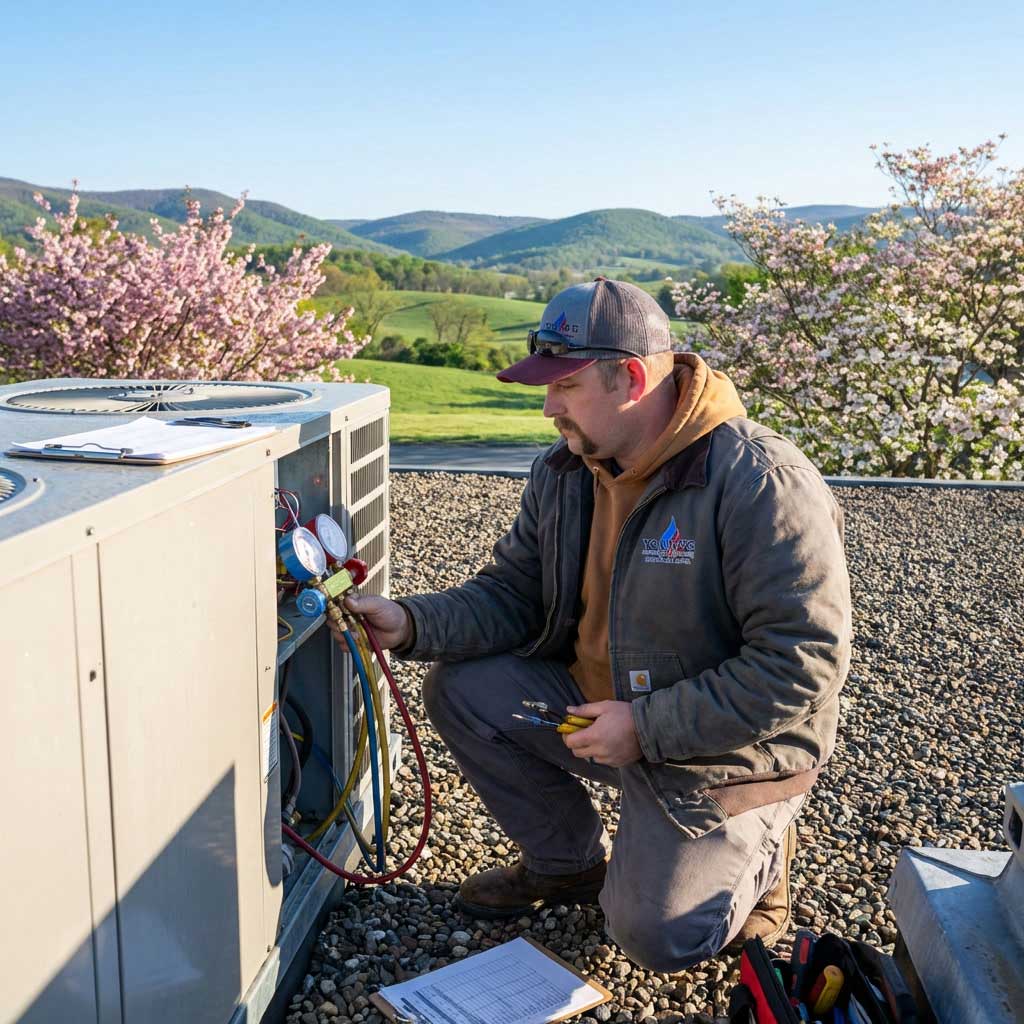
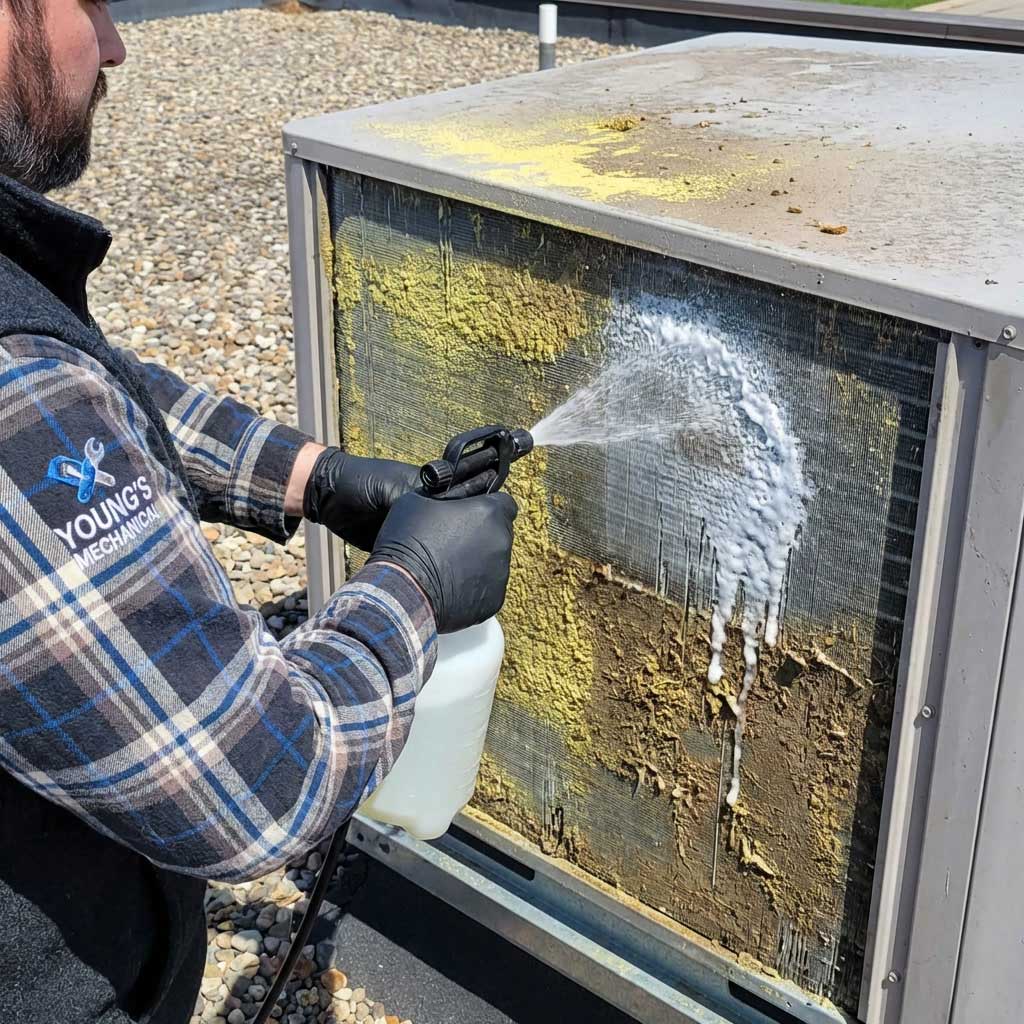
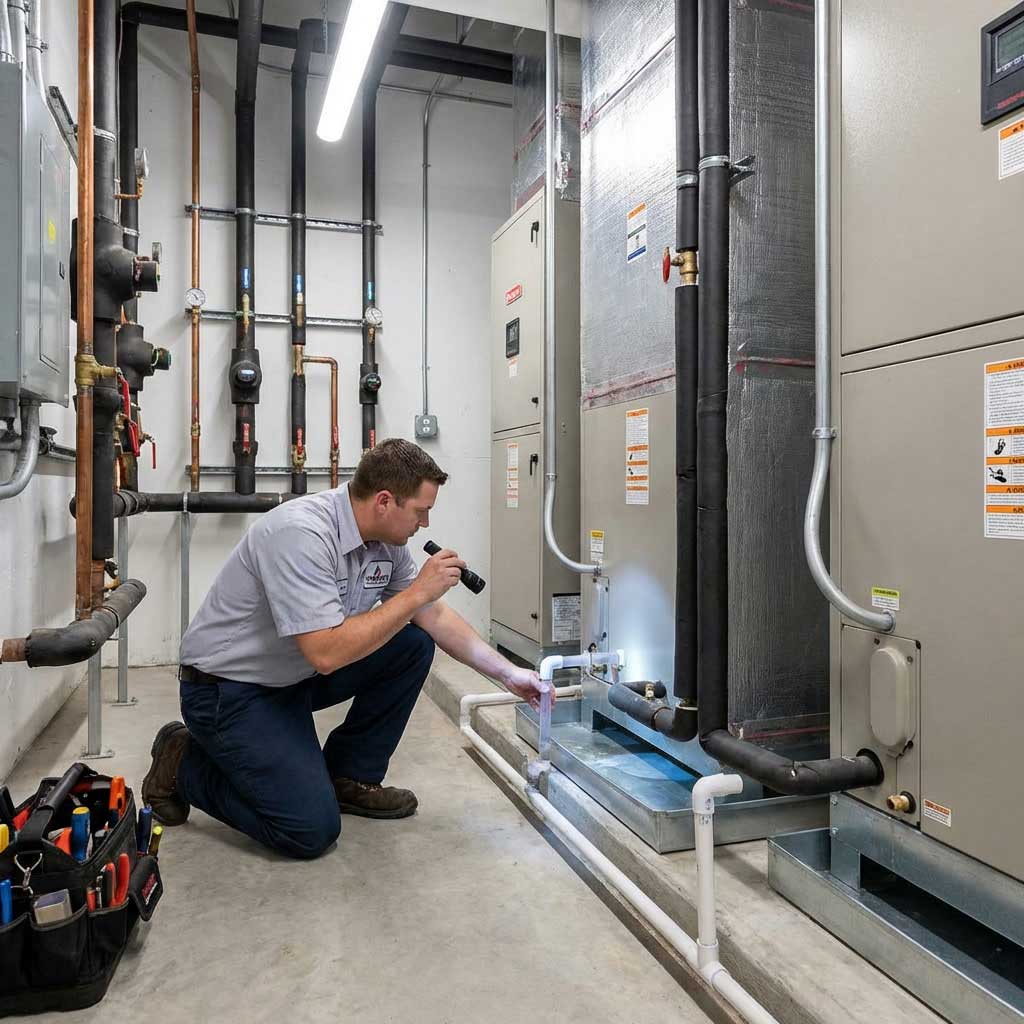
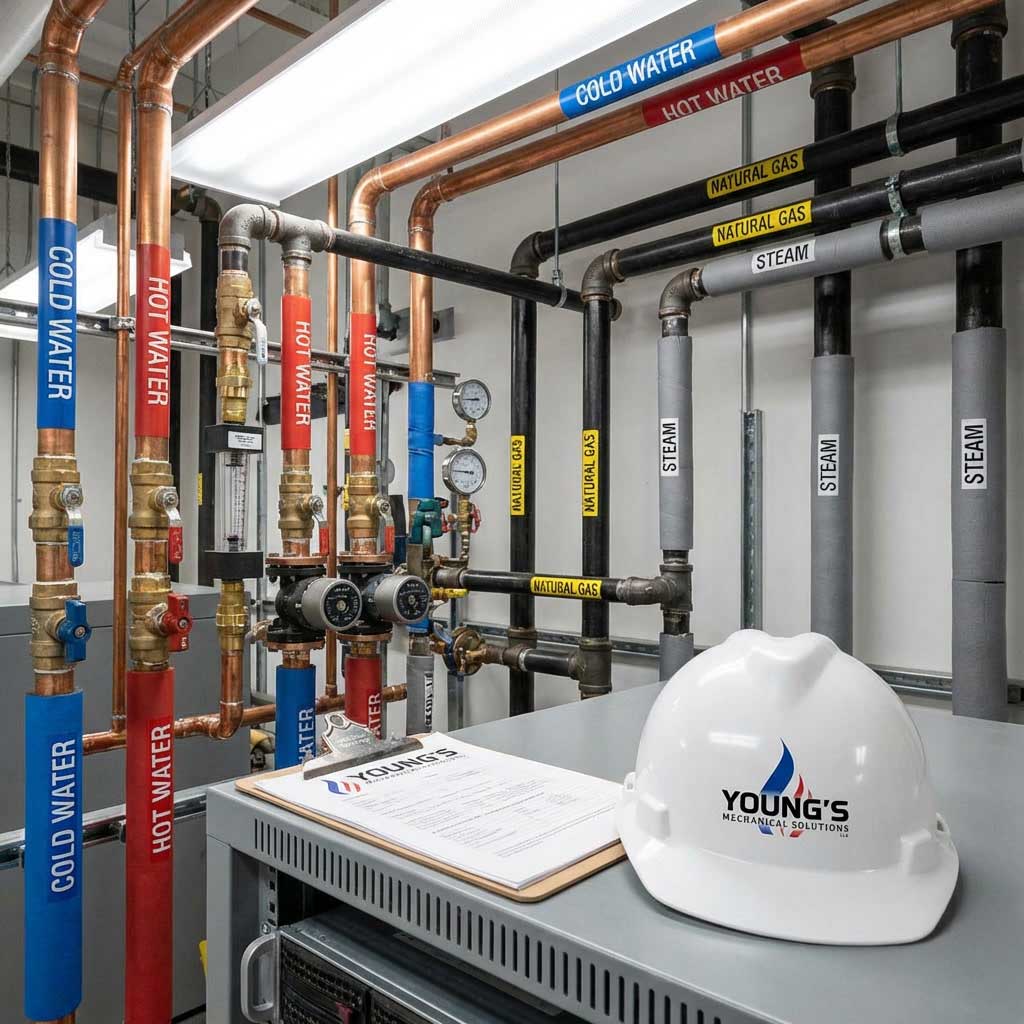
Once equipment is in place, proper upkeep protects that investment. Young’s Mechanical Solutions stresses that commercial HVAC service work is at the core of its culture. The company has integrated a scheduling program that syncs with repair histories to make sure technicians arrive on time and with the right parts. Preventive maintenance plans include routine tune‑ups, filter replacements and coil cleanings—tasks that keep equipment operating efficiently and reduce the risk of breakdowns during extreme weather. The firm’s technicians are trained on all major HVAC brands and use diagnostic tools to identify small issues before they become big problems.

Resilient design also considers the building envelope and controls. High‑efficiency filtration, UV air purification and humidity‑control solutions keep indoor air healthy even when windows stay closed for long periods. Modern building‑automation systems monitor outside conditions and adjust equipment staging automatically, helping to balance comfort and energy use. Energy‑management programs offered by the company help clients understand where their biggest energy loads occur and how to optimize them.

By combining robust equipment, smart controls and disciplined maintenance, Young’s Mechanical Solutions delivers mechanical and plumbing systems that stand up to the extremes of the Shenandoah Valley climate. From design through long‑term service, they provide creative, cost‑effective solutions tailored to each facility. When you need a partner to make sure your building stays comfortable in any season, their design‑build team is ready to help.

Offsite Fabrication & Field Coordination: How Young’s Mechanical Delivers Efficient Commercial Projects

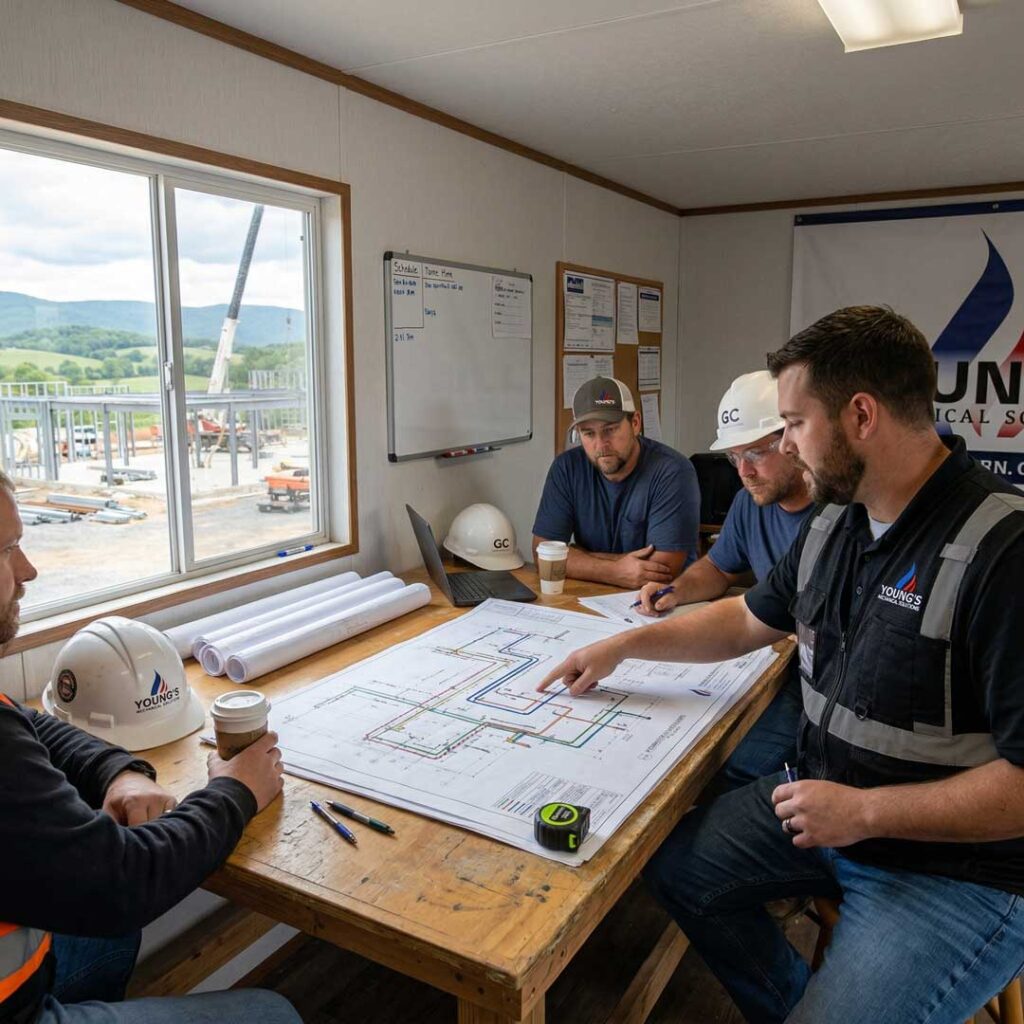
When people think about commercial HVAC and plumbing work, they usually picture crews hanging duct or setting equipment on a jobsite. What often goes unseen is the amount of preparation that happens long before anything is installed. At Young’s Mechanical Solutions, a large part of project success is determined well before crews arrive—through careful planning, in-house fabrication, and close coordination between trades.

Young’s Mechanical provides commercial HVAC and plumbing construction services for a wide range of facilities, from office buildings and healthcare spaces to manufacturing and educational facilities. Whether the project is a hard-bid public job or a design-build partnership, the goal is always the same: select the right solution and implement it efficiently, safely, and correctly the first time.

Why In-House Fabrication Matters

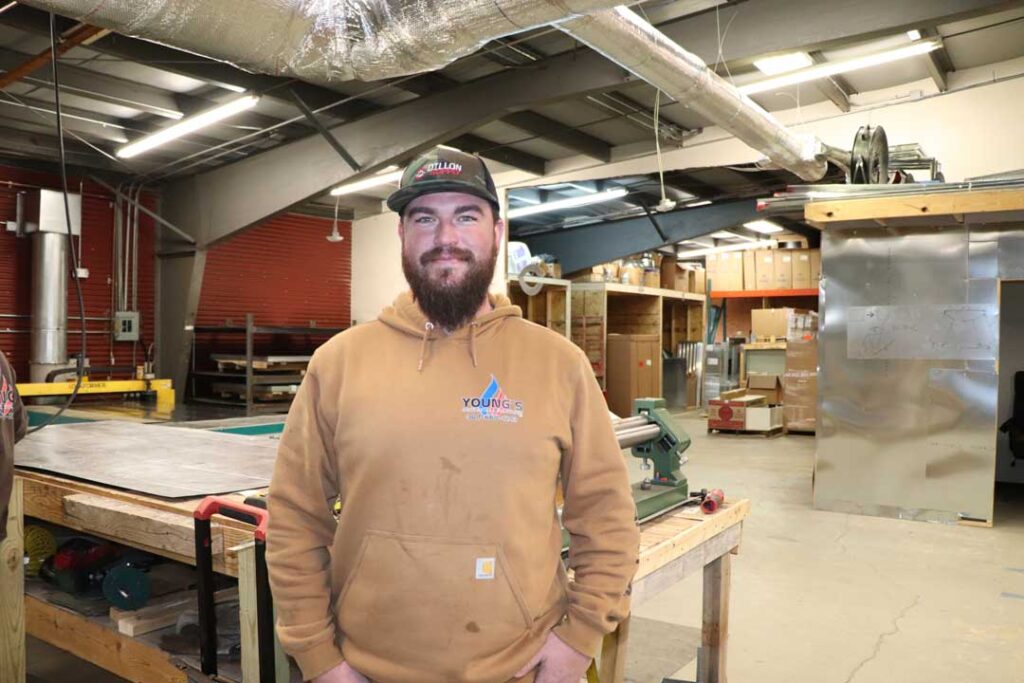
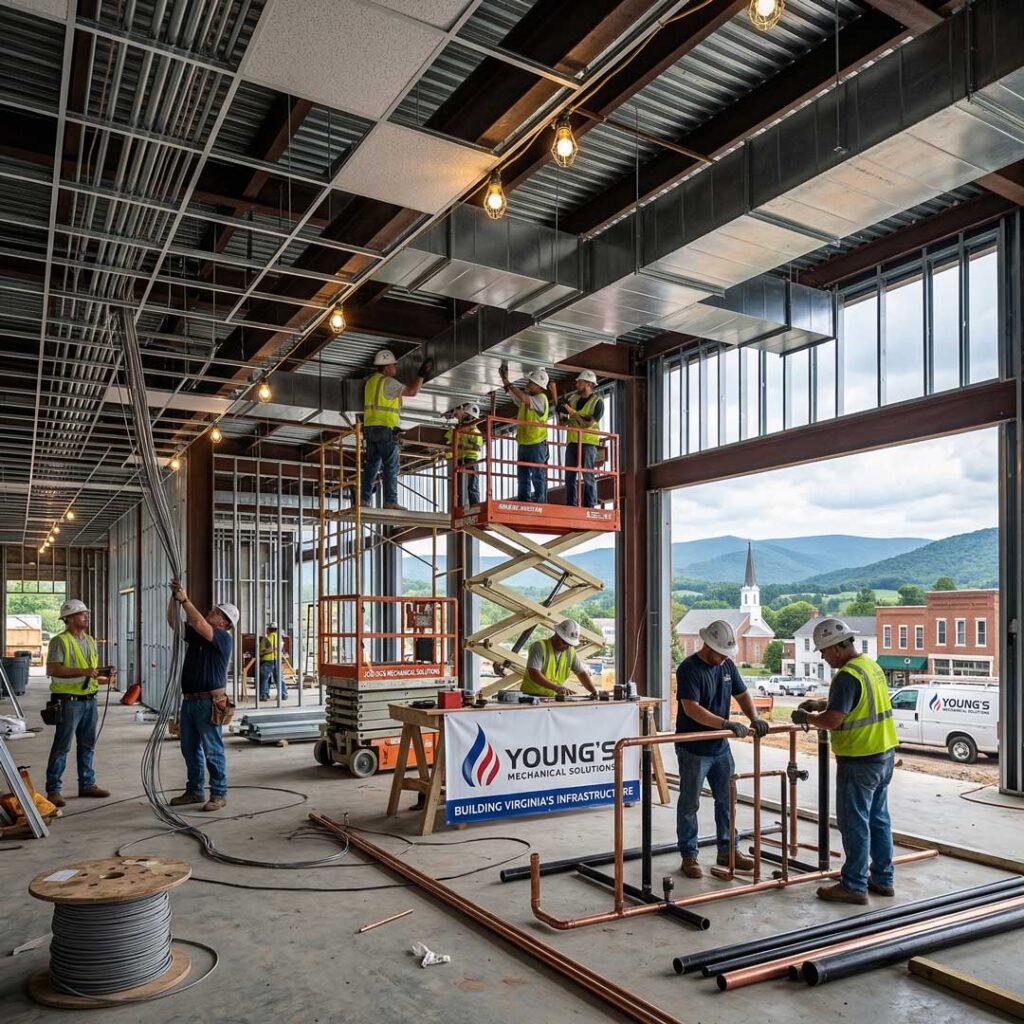
One of the biggest advantages Young’s Mechanical brings to a project is in-house ductwork fabrication. Rather than relying entirely on third-party suppliers, ductwork is fabricated at the company’s shop by experienced craftsmen. This allows tighter control over quality, dimensions, and scheduling.

Fabricating ductwork offsite reduces surprises in the field. Crews arrive with components that are built to spec, reducing the need for on-the-fly modifications that can slow progress or introduce inconsistencies. It also allows field crews to stay focused on installation instead of fabrication, which helps keep projects moving and schedules intact.

From a contractor or owner perspective, this approach minimizes delays caused by missing materials or incorrect sizing. It also supports cleaner jobsites and more predictable installation timelines—especially important on projects where multiple trades are working in tight spaces.

Coordination Without Complexity

Young’s Mechanical does not rely on buzzwords or overly complex processes. Instead, projects are driven by experience, communication, and coordination. Each job is supported by a team that understands how HVAC, piping, plumbing, and controls must work together in real-world conditions.

Sheet metal crews, mechanical piping crews, plumbing crews, and controls/start-up technicians all play defined roles, and those roles are coordinated early. This helps prevent conflicts between systems and ensures that installations are sequenced properly. The result is fewer change orders, less rework, and a smoother experience for general contractors and owners alike.

On design-build projects, this coordination begins even earlier. Young’s Mechanical works with project partners to evaluate system options, balance performance with cost, and choose solutions that make sense for the building’s long-term operation—not just the initial install.

Built for Efficiency and Serviceability

Good mechanical systems don’t just perform well on day one—they’re easier to service for years to come. Young’s Mechanical approaches construction with that reality in mind. Equipment placement, access clearances, and piping layouts are considered carefully so future maintenance and service can be performed efficiently.

This mindset ties directly into the company’s strong commercial service division. Because Young’s Mechanical services what it installs, construction decisions are informed by years of hands-on service experience. Systems are built to be reliable, accessible, and practical—not just technically correct on paper.

A Practical, Proven Approach

At the end of the day, successful mechanical projects are built on fundamentals: skilled tradespeople, good planning, clear communication, and quality workmanship. Young’s Mechanical Solutions focuses on those fundamentals every day.

By combining in-house fabrication, experienced field crews, and thoughtful coordination, Young’s Mechanical delivers commercial HVAC and plumbing systems that perform as intended and stand the test of time. It’s not about flashy technology—it’s about doing the work right and being a reliable partner from start to finish.

Water Conservation in Commercial Plumbing: Sustainable Strategies for Valley Businesses

In a region carved by rivers and dotted with farms, water is both a blessing and a responsibility. The Shenandoah Valley’s terrain feeds springs and aquifers that supply towns from Harrisonburg to Luray, but droughts and aging infrastructure remind us that we can’t take plentiful water for granted. For commercial property owners—whether you run a hospital in Augusta County, a Wedding Venue in Page County or a school in Lexington—conserving water reduces utility bills and demonstrates stewardship of our shared resources.

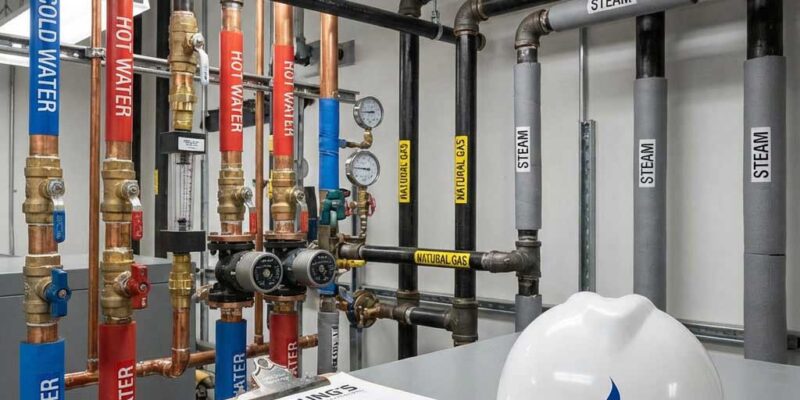
Commercial plumbing systems are complex. Young’s Mechanical Solutions’ plumbers install, troubleshoot and repair water lines, drainage systems and fixtures in educational facilities, office buildings and healthcare centers. They read and interpret blueprints and codes, test systems for leaks and collaborate with project managers to ensure everything meets OSHA and state regulations. Those same skills can be applied to water‑conservation retrofits.

Start with low‑flow fixtures. Replacing old toilets and faucets with EPA WaterSense‑certified models can cut water use by 30 percent or more. Dual‑flush toilets are a simple upgrade that many of our clients in Staunton and Waynesboro have adopted. Touch less faucets not only save water but also improve hygiene—an important consideration for offices and schools. We can retrofit a manufacturing plant with foot‑operated sinks so employees could wash up without letting the tap run.

Leak detection is another powerful tool. A single leaking toilet can waste thousands of gallons per month, and leaks often go unnoticed in large facilities. Wireless sensors installed under sinks and near water heaters alert maintenance staff to drips and floods. Smart water meters, which monitor flow patterns in real time, can flag anomalies that suggest a hidden leak. Our service team integrates these devices into building‑automation systems, providing email or text alerts so issues can be addressed before they become costly.

For larger projects, consider greywater reuse. Systems that capture water from hand‑washing sinks or HVAC condensate can supply toilets or irrigation. These are becoming popular in communities like Charlottesville, where green building certifications add value. Rainwater harvesting is another option; even a modest collection system can provide water for landscape irrigation at churches or community centers.

Water conservation also means proper maintenance. Regular inspections and backflow‑preventer testing keep systems operating efficiently. When Young’s Mechanical Solutions upgraded plumbing at the PVCC Giuseppe Center in Standardsville, the scope included long‑term mechanical and plumbing improvements designed to serve the space well into the future. By investing in quality materials and workmanship now, businesses can avoid costly repairs later.

Whether you manage a retail space in Front Royal, a restaurant in Winchester or a warehouse in Stuarts Draft, there are plenty of ways to cut water use without sacrificing performance. Let us help you find the right mix of fixtures, sensors and reuse strategies to meet your sustainability goals and keep our Valley’s water sources healthy for generations.

Navigating Codes and Permitting: A Contractor’s Guide for Virginia & West Virginia

Ask any business owner who has built or renovated a facility in the Valley: getting permits and satisfying inspectors can sometimes be more challenging than pouring concrete or hanging ductwork. Each jurisdiction has its own quirks. Augusta County might require stamped drawings for an industrial boiler room, while a historic renovation in downtown Staunton may need additional review from the architectural review board. Across the mountain in West Virginia, you’ll find different forms, fees and inspection sequences. For busy owners and property managers, it can feel like you need a law degree just to upgrade your HVAC system.

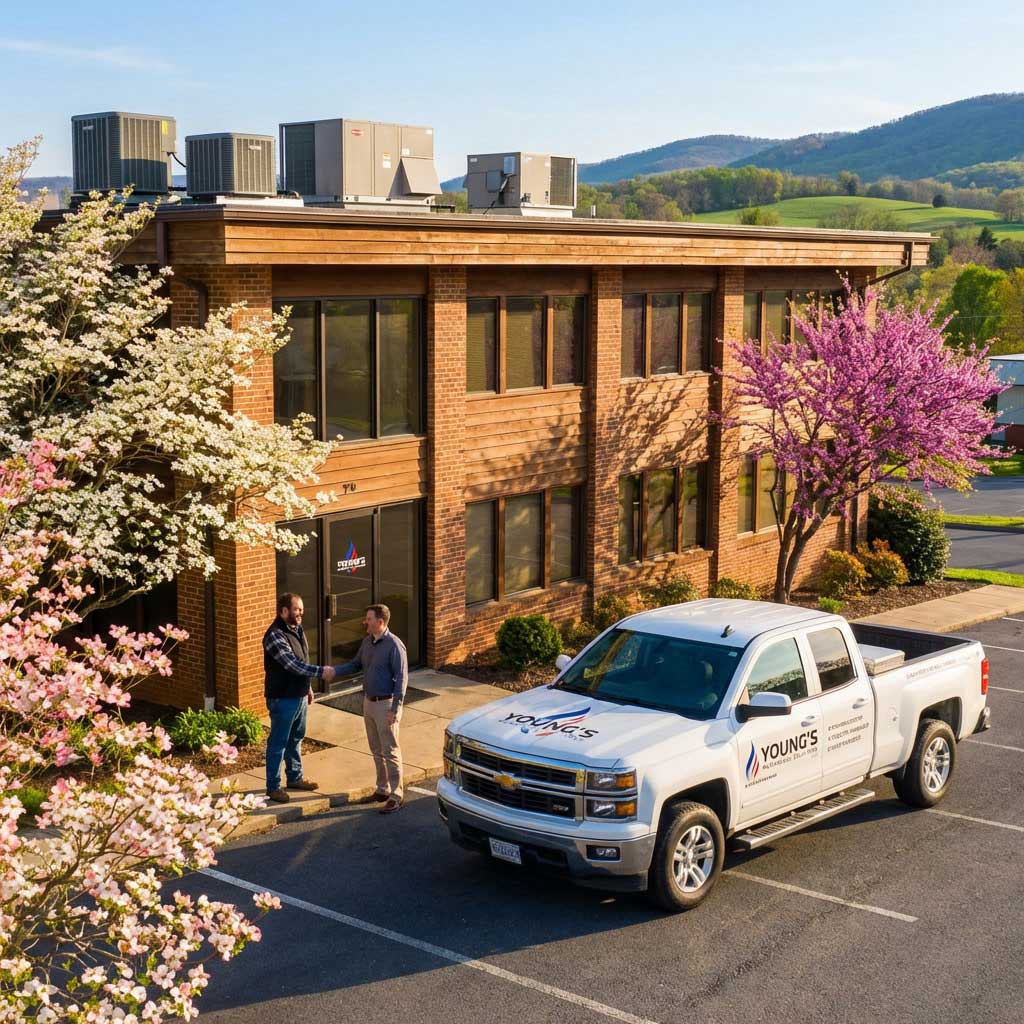
That’s where a local contractor makes all the difference. Young’s Mechanical Solutions holds licenses in Virginia and West Virginia and collaborates with general contractors and architects across Rockingham, Page, Albemarle and Shenandoah counties. Because the company handles projects from Harrisonburg to Winchester and down to Lexington, its team knows the permitting requirements and inspection timelines for each locality. In the pre‑construction phase they review local codes and coordinate with building officials so there are no surprises later.

If you’re planning a project, start by understanding which codes apply. In Virginia, commercial HVAC and plumbing installations must meet the Virginia Uniform Statewide Building Code, which incorporates the International Mechanical Code and International Plumbing Code with local amendments. West Virginia uses similar standards but with its own adoption schedule. Each county may also have energy‑efficiency ordinances or design guidelines for historic districts. A good contractor will walk you through these requirements during the budgeting phase. At Young’s Mechanical Solutions, our project managers attend kickoff meetings with local inspectors to clarify expectations and agree on milestones.

Timing is critical. In cities like Charlottesville, plan review queues can stretch for weeks, especially during construction booms at the University of Virginia. Augusta County’s office is usually quicker, but they might perform surprise field inspections. By submitting complete permit packages—drawings, equipment schedules and load calculations—and scheduling inspections early, you can avoid delays. Our team often helps clients in Harrisonburg or Waynesboro coordinate multiple trade permits (mechanical, electrical, plumbing) so that everything is signed off together. This unified approach reduces the risk of one trade holding up another.

Finally, consider engaging a design‑build contractor. When the same firm handles design and construction, the permit process becomes smoother because there are fewer hand‑offs and less finger‑pointing. Young’s Mechanical Solutions notes that design‑build reduces miscommunication and change orders, which in turn makes inspectors happy. Whether you’re renovating a storefront on Main Street in Front Royal or building a new healthcare facility in Bridgewater, working with a contractor who speaks the language of local inspectors will save you headaches. Call us early, and we’ll guide you through the red tape so you can focus on what you do best.

The Skills Schools Try To Teach—and the Mechanical Industry Depends On

Technical training teaches pipe sizing, duct layout and equipment selection, but the
mechanical industry depends equally on soft skills. Problem‑solving, adaptability
and communication are critical to successful HVAC and plumbing careers.
Technicians often encounter unexpected conditions in older buildings in Harrisonburg or
Staunton, requiring quick thinking and collaboration with other trades. Clear
communication with project managers and facility owners ensures that everyone
understands challenges and solutions.

At Young’s Mechanical Solutions, we invest in these skills by fostering teamwork and continuous learning. Our
dedicated team combines decades of experience and expertise to deliver unmatched
HVAC and plumbing services. Crews debrief after each project, sharing lessons
learned and discussing how to improve. We encourage field staff to use digital tools for
service documentation, BIM coordination and equipment commissioning. For individuals
transitioning from the field to the office, we provide mentorship in budgeting, scheduling
and customer relationship management.

We also emphasize community involvement and leadership. Some of our of our employees
volunteer with local organizations like Fire or Rescue departments. They develop leadership and communication skills that
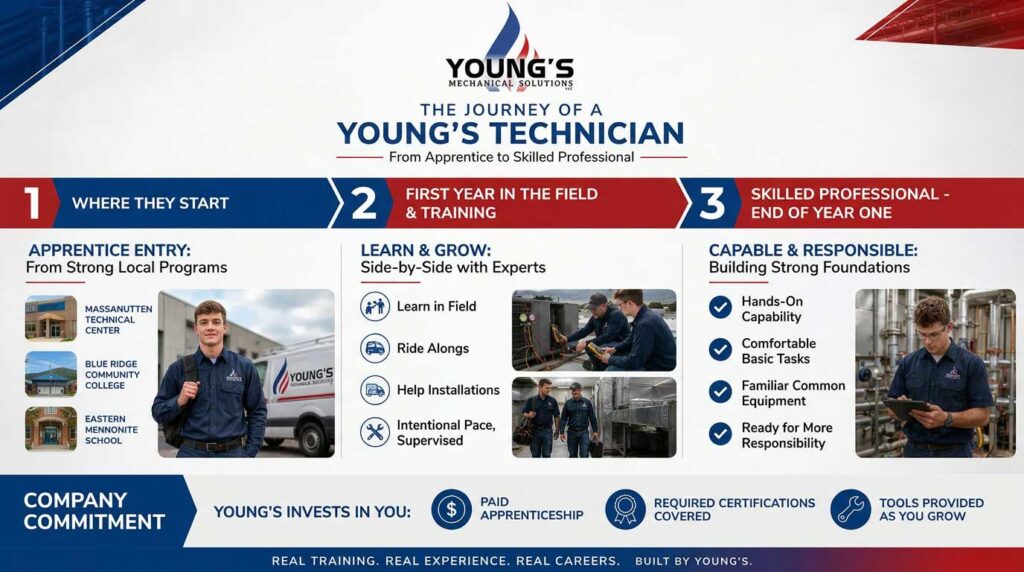
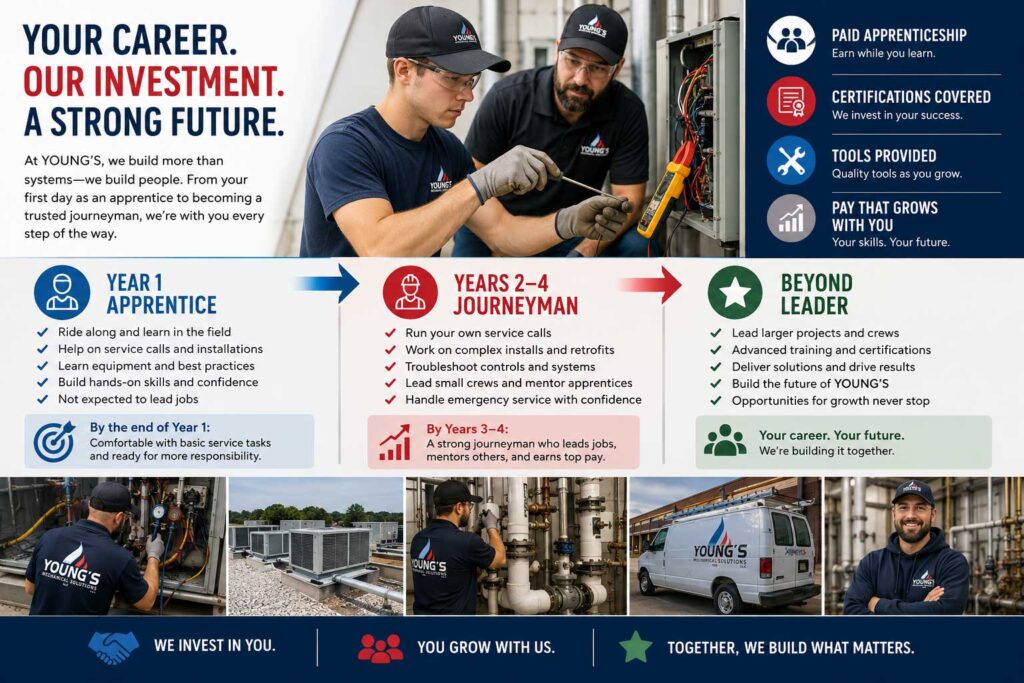
serve them well on the job. We recruit apprentices from local technical centers in helping to build a skilled workforce that
remains in the Shenandoah Valley and Charlottesville area. If you’re interested in a
career that combines technical expertise with soft‑skill development, explore our
Careers page.

Why “Cheapest Bid” Is Rarely the Most Cost‑Effective Mechanical Solution

When owners in Rockbridge County or Albemarle County review bid tabs, the lowest
number can be tempting. However, focusing solely on upfront price often leads to
higher lifecycle costs. A cheap bid may cut corners on design, use inefficient
equipment or rely on inexperienced labor. Over the life of your building, this can result in
higher energy bills, increased maintenance expenses and premature system
replacement. A truly cost‑effective mechanical solution balances initial cost with
long‑term performance, reliability and serviceability.


At Young’s Mechanical Solutions, we pride ourselves on delivering creative and cost‑effective solutions
tailored to each project. Team members evaluates equipment efficiency, control strategies,
insulation levels and piping materials to optimize energy use and occupant comfort. We
perform value‑engineering with transparency—identifying where investments will yield
the greatest return without sacrificing quality. Our Commercial HVAC Service page
outlines how we service all brands of equipment and stay at the forefront of new
technologies, ensuring your investment continues to perform reliably. For plumbing
systems, we offer preventative maintenance and expert troubleshooting that extend
the life of your infrastructure.


Local businesses across Harrisonburg, Staunton, Lexington, Front Royal,
Winchester and Charlottesville have trusted us to deliver value rather than just low
price. Hospitals, schools and manufacturers in counties like Rockingham, Augusta,
Page and Albemarle understand that the cheapest bid can lead to unexpected
downtime and repair costs. When you compare proposals, ask your mechanical
contractor about energy efficiency, warranty coverage, service response time and the
track record of their field crews. If you want to learn how long‑term thinking translates
to lower total cost of ownership, explore our HVAC & Plumbing Construction Services,
Commercial HVAC Service and Commercial Plumbing Service pages.


What Actually Happens Before the First Piece of Duct Is Hung

For many owners and developers, mechanical work seems to begin when ducts and
pipes appear on a jobsite. In reality, successful HVAC and plumbing installations in
communities like Harrisonburg and Waynesboro start long before field crews
arrive.

At Young’s Mechanical Solutions we assign a project manager, field superintendent, engineer and other
staff members early in the process to effectively manage the construction journey.
Design reviews, estimating decisions and scope coordination happen weeks—or
months—before ground is broken. Our design‑build expertise means we help select
the right mechanical solution for each facility and implement it as quickly and efficiently
as possible.


Preconstruction also involves constructability reviews, fabrication planning and
local code analysis. When we prepare mechanical systems for a hospital in Staunton
or a university building in Lexington, our sheet‑metal, mechanical piping and plumbing
crews fabricate ductwork and pipe in our Harrisonburg shop. This off‑site preparation
reduces disruptions and ensures quality control. Our engineers use 3D modeling and
building information modeling (BIM) tools to confirm that HVAC systems will fit within
structural steel and electrical routing, preventing costly field changes.


Because YMS is licensed in both Virginia and West Virginia, we collaborate with
architects and general contractors across Augusta County, Rockingham County,
Page County, Albemarle County and beyond. We know each county’s permitting
requirements and typical inspection timelines, which helps us protect schedules and
budgets. Before the first piece of duct is hung in a facility in Charlottesville or
Bridgewater, you can be confident that the ground work—communication, coordination
and planning—has already been done. To learn more about our holistic approach, visit
our HVAC & Plumbing Construction Services page.


The preconstruction phase also provides an opportunity to optimize energy efficiency
and sustainability. By analysing the unique climate of the Shenandoah Valley—from
the hot, humid summers in Harrisonburg to the snowy winters in Augusta County—we
design systems that meet high performance standards and reduce energy use over the
life of the building. We conduct load calculations, evaluate renewable‑energy options
and incorporate utility incentives available in areas like Charlottesville and Winchester.
Early planning means we can help owners apply for state and federal tax credits and
take advantage of local utility rebates while ensuring compliance with Virginia and
West Virginia code requirements. Engaging with our team during this critical stage gives
you a partner who treats planning as the foundation of success, not an afterthought.

Why Commercial Mechanical Projects Are Won or Lost in the Coordination Phase

When it comes to mechanical projects, coordination is not an afterthought—it’s a
deciding factor. Many clients think that choosing equipment is the most important
decision. In reality, the success of your facility in Staunton or Charlottesville depends on
how well your mechanical contractor collaborates with other trades and stakeholders.

During any commercial build, the coordination of the trades is an integral part of the
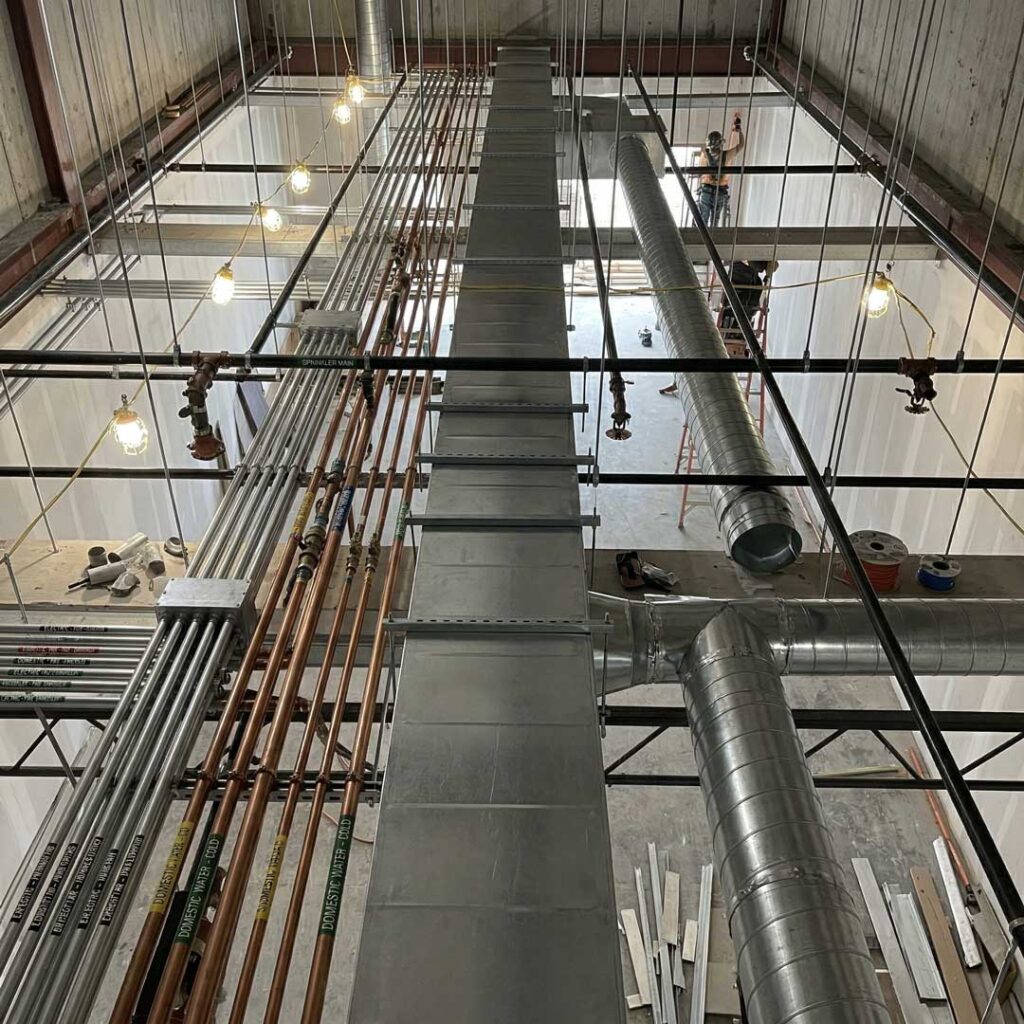
process, especially with respect to the mechanical and electrical trades. At
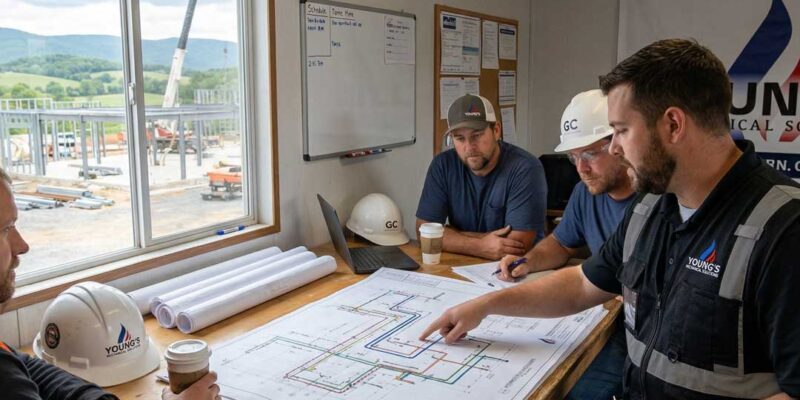
Young’s Mechanical Solutions we begin coordination meetings as soon as a project is awarded. We work closely
with structural engineers, electricians, fire‑protection specialists and architects to
ensure that ductwork, piping, conduit and steel all occupy the same space without
conflict.


This proactive approach pays dividends on complex projects—like medical office
buildings in Winchester or manufacturing plants in Rockbridge County—where space is
tight and schedules are demanding. Our BIM specialists create detailed models, while
our fabrication teams adapt designs for practical installation. We also use digital
coordination to plan just‑in‑time deliveries, allowing us to service clients in
Harrisonburg, Lexington, Front Royal and Charlottesville without tying up local
streets with unnecessary storage trailers.

By managing coordination diligently, we reduce change orders and protect budgets.
General contractors in Augusta County and Albemarle County appreciate how early
mechanical coordination avoids rework and schedule delays. For owners, this translates
to faster occupancy and fewer headaches. Explore our HVAC & Plumbing Construction
Services page or browse our projects to see how careful coordination has helped us
complete schools, churches and resorts throughout the Shenandoah Valley.

Effective coordination goes beyond lining up ductwork and pipe runs; it requires clear
communication, detailed documentation and sensitivity to each project’s unique
requirements. For instance, a historic renovation in downtown Staunton may involve
preserving architectural features while upgrading mechanical systems. Our team works
closely with preservation boards and code officials to ensure new infrastructure
integrates seamlessly with existing structures without compromising the character of the
building. On a hospital project in Charlottesville, we coordinate shutdowns to minimize
disruption to critical services, scheduling work around patient needs and traffic patterns.
Whether your project is a small office in Front Royal, a distribution center in Winchester
or a large educational facility in Rockingham County, our coordinated approach keeps
every stakeholder informed and ensures that mechanical systems align with overall
project goals.

PVCC Giuseppe Center in Standardsville

ANOTHER PROJECT IN PROGRESS

Young’s Mechanical Solutions is proud to have been awarded the HVAC and plumbing scope for a renovation at the PVCC Giuseppe Center in Standardsville.

Project details:

  • Hard-bid renovation
  • Remodeling a small area within a public library facility
  • Mechanical and plumbing upgrades designed to support the space long-term

We’re pleased to work with Legacy Building Company on this project and contribute to improvements in a public-serving facility.

Employee Spotlight – Trevor Staton

We’re excited to highlight one of our dedicated HVAC Service Technicians,  Trevor Staton, whose commitment to learning and teamwork makes a strong impact every day.

Since joining the company, he has taken pride in growing his knowledge and expanding his skill set in the field. That dedication has paid off—he’s been promoted in a short amount of time, a reflection of his strong work ethic and eagerness to improve.

What first attracted him to the company was the opportunity to work on large projects and the ability to promote from within—and those opportunities are exactly what continue to keep him here. He appreciates the company culture most, noting that everyone gets along and is always willing to help each other, which makes even challenging jobs go more smoothly.

When asked what advice he’d give to new employees, his answer is simple but powerful: don’t be afraid to reach out for help or ask questions. Learning from others is key to success in this field.

Outside of work, he enjoys restoring classic vehicles, a passion that started early—fun fact: he put together his first vehicle before he could even drive!

He describes the company’s mission as providing quality work in a timely manner to ensure customers’ equipment operates at its best, a value he clearly lives out in his day-to-day work.

We’re proud to have him on the team and look forward to seeing his continued growth and success!