What Facility Managers Should Know Before a Major HVAC System Replacement

At some point, every commercial HVAC system reaches the end of its useful life. When that time comes, the decisions you make before the project starts will have a bigger impact on cost, timeline, and long-term performance than almost anything that happens during installation.

Whether you’re managing an office building, a retail space, a healthcare facility, or a school in the Shenandoah Valley, a major system replacement is a significant capital investment. Here’s what you should be thinking about before the work begins.

Repair vs. Replace: When Is It Time?
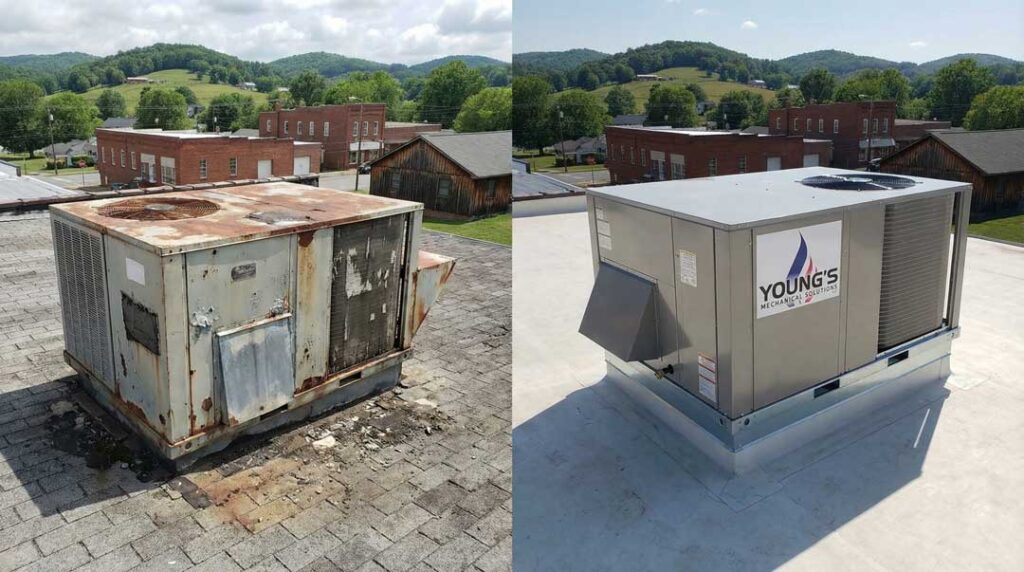
The decision to replace a commercial HVAC system is rarely straightforward. Equipment doesn’t always fail all at once—it degrades gradually, with increasing repair frequency, declining efficiency, and rising energy costs. A few key indicators suggest replacement may be the better path: the system is 15–20+ years old, repair costs are escalating year over year, parts are becoming difficult to source, energy bills are climbing despite consistent usage, or the system can no longer maintain consistent comfort throughout the building.

If you’ve been keeping service records—especially through a maintenance agreement—you’ll have the data to make this decision with confidence rather than guesswork.

Full Replacement vs. Phased Approach

Not every replacement needs to happen all at once. Depending on your building’s layout, the number of systems involved, and your budget, a phased replacement approach may make more sense. This allows you to spread capital costs over multiple budget cycles while addressing the most critical equipment first.

A full replacement, on the other hand, can be more efficient from a project management standpoint—one mobilization, one set of permits, and a single coordinated installation. Your mechanical contractor should be able to walk you through both options and help you evaluate what makes the most sense for your situation.

Budgeting Beyond the Equipment

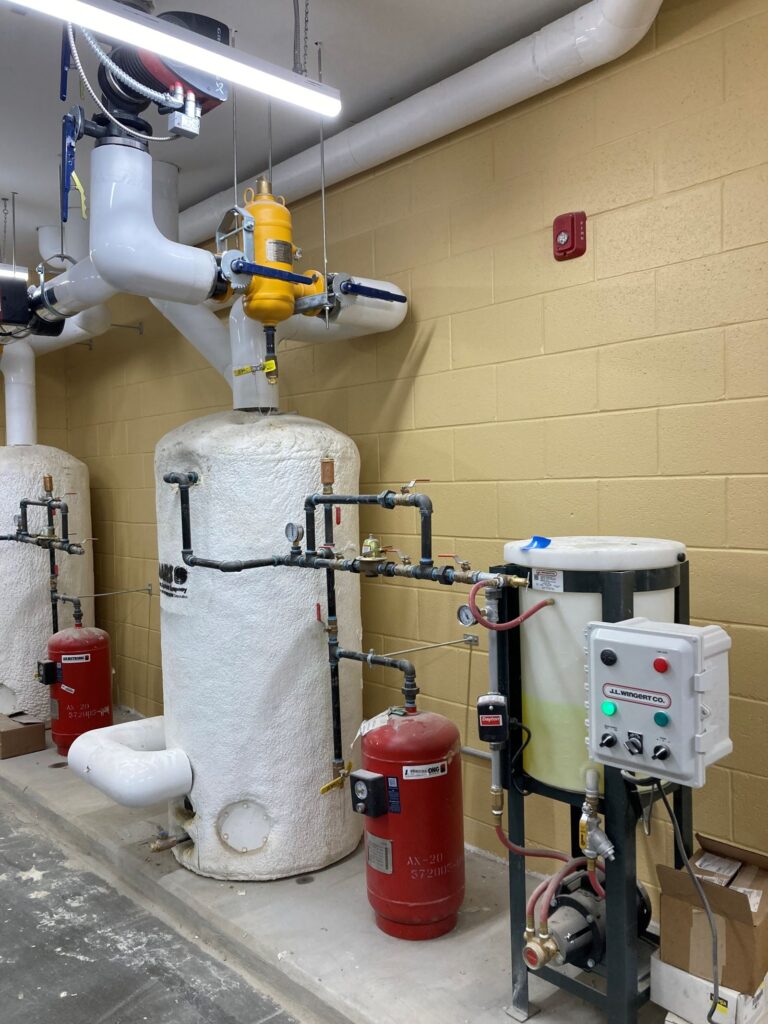
One of the most common mistakes in a system replacement is underestimating the full scope of the project. The cost of the equipment itself is only part of the picture. You should also account for demolition and removal of existing systems, ductwork modifications or replacement, electrical and controls upgrades, structural considerations for heavier or larger units, permitting and inspection requirements in Virginia and West Virginia, and temporary cooling or heating solutions during the transition.

A good mechanical contractor will help you identify these costs upfront so there are no surprises once the project is underway.

Minimizing Disruption to Building Operations
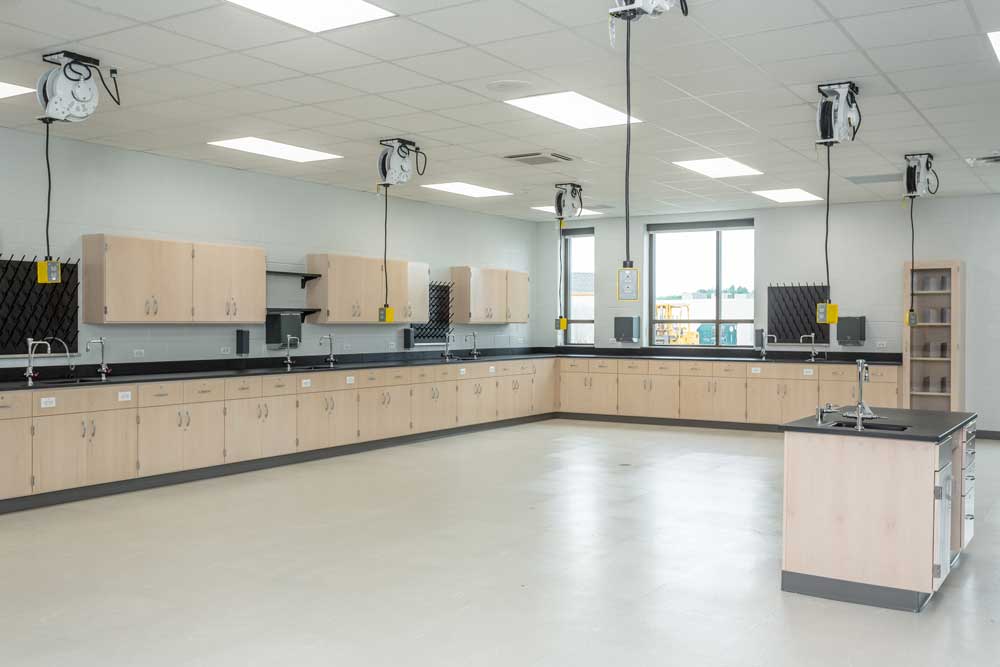
For most commercial buildings, the facility can’t just shut down while HVAC work is completed. Tenants, employees, patients, students—whatever your occupancy looks like—expect the building to function. Planning for minimal disruption should be a central part of your replacement strategy.

This means working with your contractor to schedule work during off-hours or low-occupancy periods, staging the replacement so parts of the building remain operational, planning for temporary heating or cooling during transition periods, and coordinating with other trades if the project involves broader construction.

Experienced commercial mechanical contractors plan around your operations, not the other way around.

Choosing the Right Mechanical Contractor
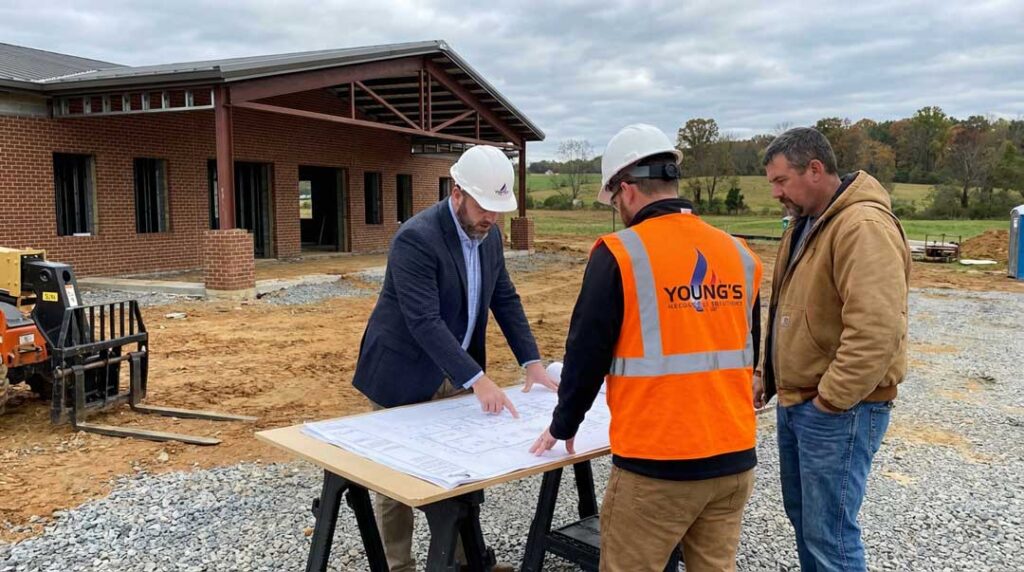
A major system replacement is not the time to go with the lowest bidder without understanding what you’re getting. The contractor you choose should have deep experience with commercial HVAC systems—not residential. They should be able to demonstrate in-house capabilities including ductwork fabrication, mechanical piping, and controls, carry proper licensing for your jurisdiction, provide references from similar commercial projects, and communicate clearly about timelines, costs, and any issues that arise during the project.

Young’s Mechanical Solutions brings over two decades of commercial mechanical experience, in-house fabrication, and a team that includes sheet metal crews, piping crews, plumbing crews, and controls technicians—all under one roof. We’re licensed in both Virginia and West Virginia.

Thinking Long-Term: Efficiency and Technology

A system replacement is also an opportunity to upgrade. Today’s commercial HVAC equipment offers significantly better energy efficiency, smarter controls, and improved indoor air quality compared to systems installed even ten years ago. If your current system was designed for a different building use or occupancy level, a replacement gives you the chance to right-size and optimize for how the building is actually used today.

Investing in higher-efficiency equipment and modern controls can reduce operating costs for years to come—making the upfront investment easier to justify.

Start the Conversation Early
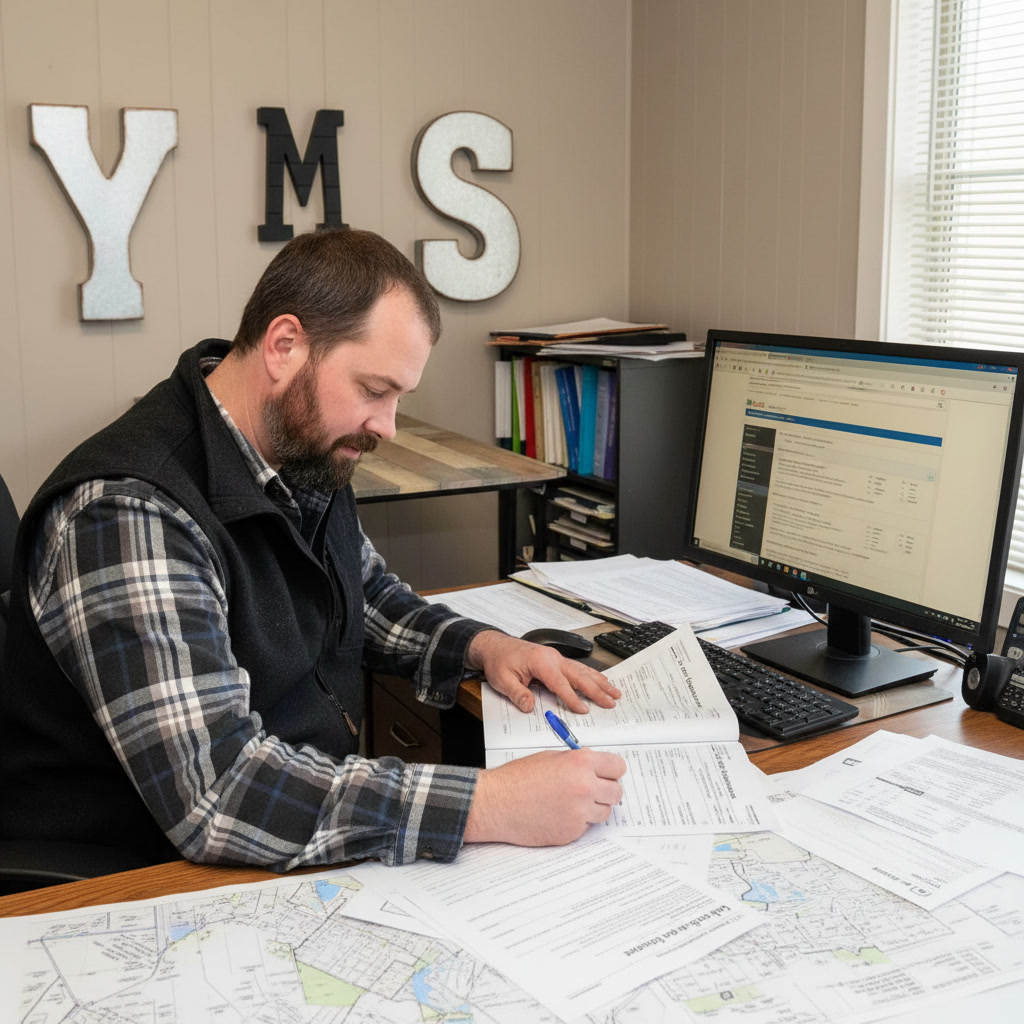
The best time to start planning a major HVAC replacement is before the old system forces your hand. If you’re seeing the warning signs—rising repair costs, declining performance, aging equipment—now is the time to bring in a commercial mechanical contractor to assess your options.

Contact Young’s Mechanical Solutions to schedule a consultation. We’ll evaluate your current systems, walk you through your options, and help you develop a replacement plan that fits your budget and timeline.

Phone: 540-214-2745

Email: info@youngsmechanicalsolutions.com

Service Area: Harrisonburg, VA and the Shenandoah Valley | Licensed in Virginia and West Virginia
How Service Agreements Reduce Emergency Calls and Protect Your Operating Budget

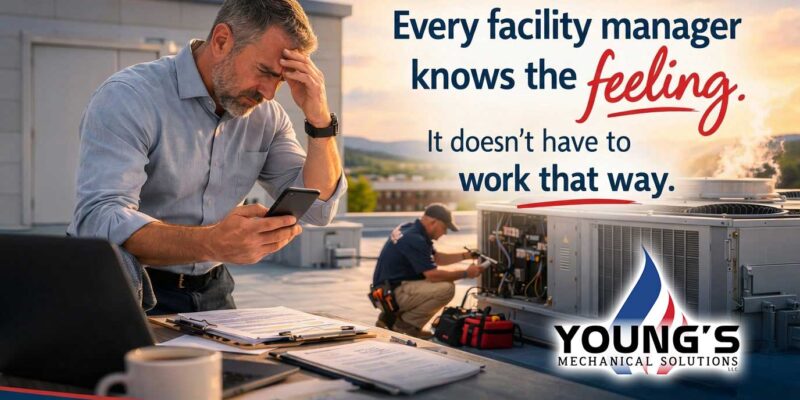
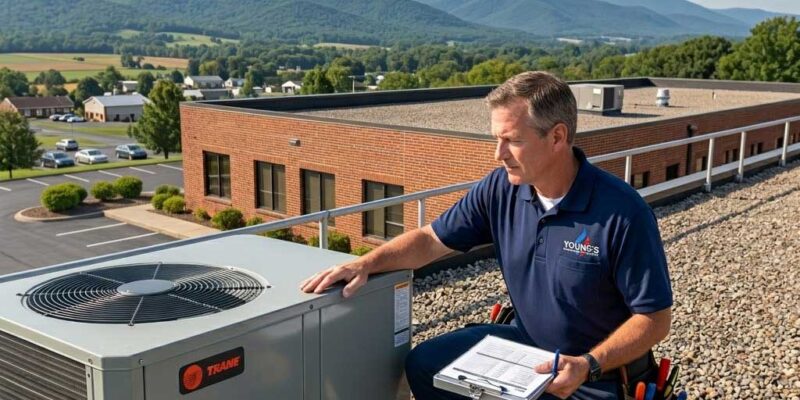
Every facility manager knows the feeling. It’s a Monday morning in July, the building is full, and a rooftop unit goes down. What follows is a scramble—phone calls, emergency service rates, disrupted tenants, and a repair bill that wasn’t in the budget. It doesn’t have to work that way.

A commercial HVAC service agreement is one of the most practical tools a building owner or facility manager can use to stay ahead of mechanical failures, control operating costs, and reduce the frequency and severity of emergency service calls. Here’s how it works—and why it matters for your bottom line.

What a Commercial HVAC Service Agreement Actually Includes

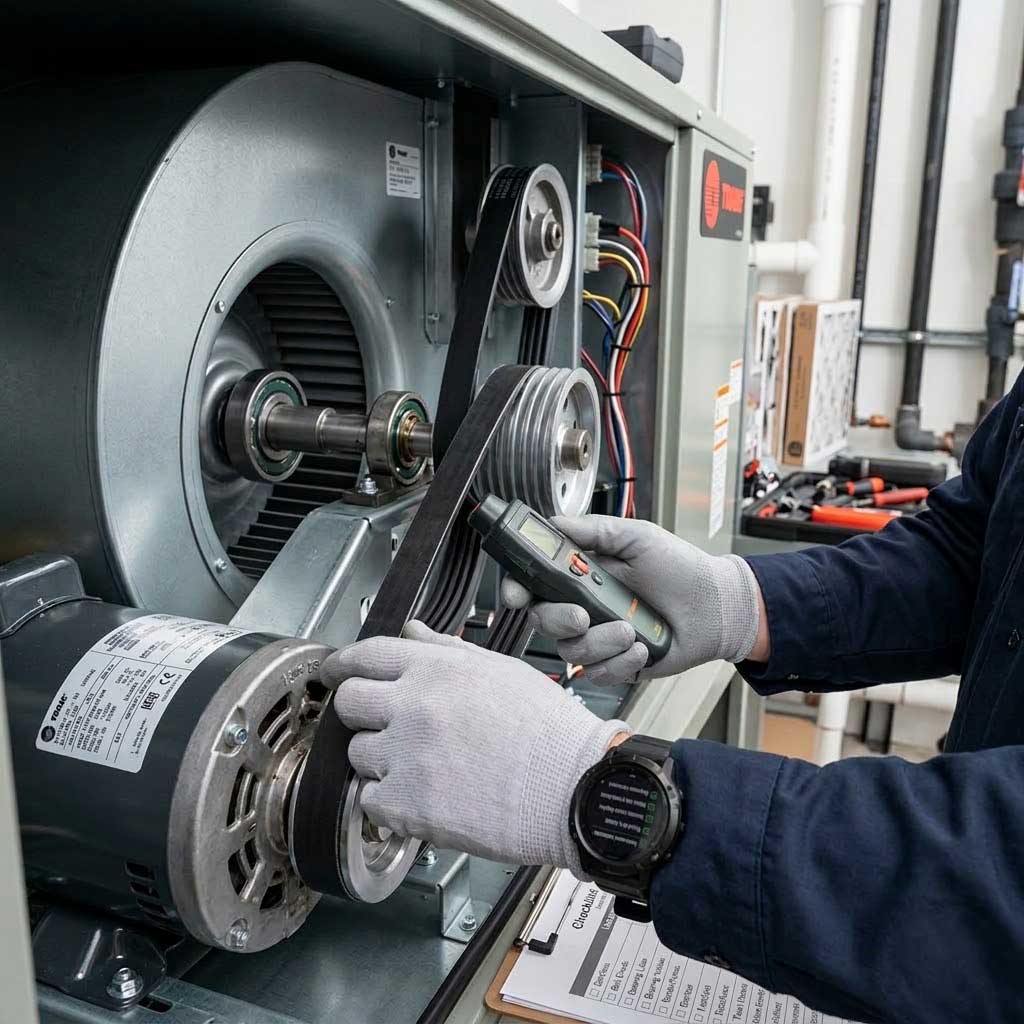
A service agreement isn’t just a promise to show up when something breaks. It’s a structured plan for keeping your commercial mechanical systems operating reliably throughout the year. A well-designed agreement typically covers scheduled preventative maintenance visits, priority response when issues arise, documented inspection and repair history for each piece of equipment, filter changes and belt replacements on a set schedule, and seasonal system checks before heating and cooling seasons.

At Young’s Mechanical Solutions, our service agreements are built around your facility’s specific equipment and usage patterns. We use technology-driven scheduling with repair history tracking, so our technicians arrive knowing your system’s history—not starting from scratch every visit.

Fewer Emergencies, Lower Costs

The most expensive HVAC service call is the one you didn’t see coming. Emergency repairs often come with premium labor rates, overnight parts shipping, and the indirect cost of building downtime. A service agreement flips that equation by catching problems early—before they become emergencies.

During a routine maintenance visit, a technician might identify a failing compressor, a refrigerant leak, or worn bearings on a blower motor. Addressed early, these are manageable repairs that can be scheduled at a convenient time. Left unchecked, they become emergency calls at the worst possible moment.

For facility managers responsible for multiple buildings or large commercial spaces in the Shenandoah Valley, the math is straightforward: the cost of a service agreement is predictable and budgetable. Emergency repairs are not.

Priority Scheduling When You Need It Most

One of the most valuable—and often overlooked—benefits of a service agreement is priority response. When a facility with a service agreement calls in with an issue, that call goes to the front of the line. During peak heating and cooling seasons, when HVAC contractors across Virginia and West Virginia are stretched thin, that priority access can mean the difference between a same-day repair and waiting days for a technician.

Young’s Mechanical Solutions serves commercial clients within approximately one hour of Harrisonburg, VA, and our service agreement customers are always our first priority when urgent needs arise.

Extending Equipment Life and Protecting Your Investment

Commercial HVAC equipment represents a significant capital investment. Rooftop units, chillers, boilers, and air handlers are designed to last, but only when they receive consistent maintenance. Skipping routine service doesn’t save money—it accelerates wear, reduces efficiency, and shortens the useful life of your equipment.

A service agreement keeps your systems running at peak efficiency, which translates directly into lower energy costs and fewer premature replacements. For building owners focused on long-term operating costs, this is where the real return on investment lives.

Documented History That Supports Better Decisions

Over time, a service agreement builds a detailed record of every inspection, repair, and maintenance visit for your equipment. This history is invaluable when it comes to making capital planning decisions. Rather than guessing when a system might need replacement, you have real data showing trends in repair frequency, performance, and cost.

This documentation also supports warranty claims, insurance requirements, and compliance reporting—all areas where having organized records makes a real difference.

The Right Fit for Your Facility

Not every building needs the same level of service. A small office building has different mechanical demands than a healthcare facility, a school, or a manufacturing plant. The best service agreements are customized to your building’s equipment, age, usage patterns, and operational requirements.

Young’s Mechanical Solutions works with facility managers and building owners across the Shenandoah Valley to design service agreements that make sense for your specific situation—not a one-size-fits-all package.

Take Control of Your Mechanical Maintenance

If you’re managing a commercial facility in Virginia or West Virginia and you’re tired of reacting to equipment failures, a service agreement is the most effective step you can take. It’s a straightforward investment that reduces emergency calls, extends equipment life, and gives you the peace of mind that comes with knowing your building’s mechanical systems are in experienced hands.

Contact Young’s Mechanical Solutions today to schedule a consultation and learn how a service agreement can work for your facility.

Service Area: Harrisonburg, VA and the Shenandoah Valley | Licensed in Virginia and West Virginia
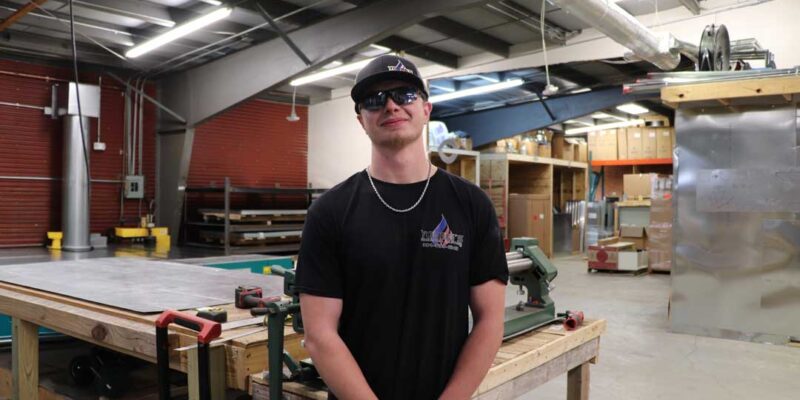
Employee Spotlight – Trevor Staton

We’re excited to highlight one of our dedicated HVAC Service Technicians,  Trevor Staton, whose commitment to learning and teamwork makes a strong impact every day.

Since joining the company, he has taken pride in growing his knowledge and expanding his skill set in the field. That dedication has paid off—he’s been promoted in a short amount of time, a reflection of his strong work ethic and eagerness to improve.

What first attracted him to the company was the opportunity to work on large projects and the ability to promote from within—and those opportunities are exactly what continue to keep him here. He appreciates the company culture most, noting that everyone gets along and is always willing to help each other, which makes even challenging jobs go more smoothly.

When asked what advice he’d give to new employees, his answer is simple but powerful: don’t be afraid to reach out for help or ask questions. Learning from others is key to success in this field.

Outside of work, he enjoys restoring classic vehicles, a passion that started early—fun fact: he put together his first vehicle before he could even drive!

He describes the company’s mission as providing quality work in a timely manner to ensure customers’ equipment operates at its best, a value he clearly lives out in his day-to-day work.

We’re proud to have him on the team and look forward to seeing his continued growth and success!

Cutting-Edge Precision: Young’s Mechanical Adds CNC Plasma Table to Boost Ductwork Fabrication

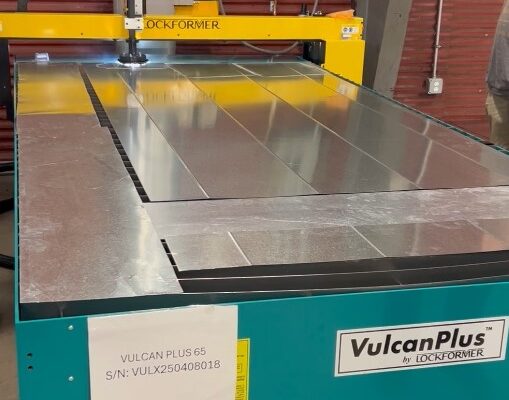
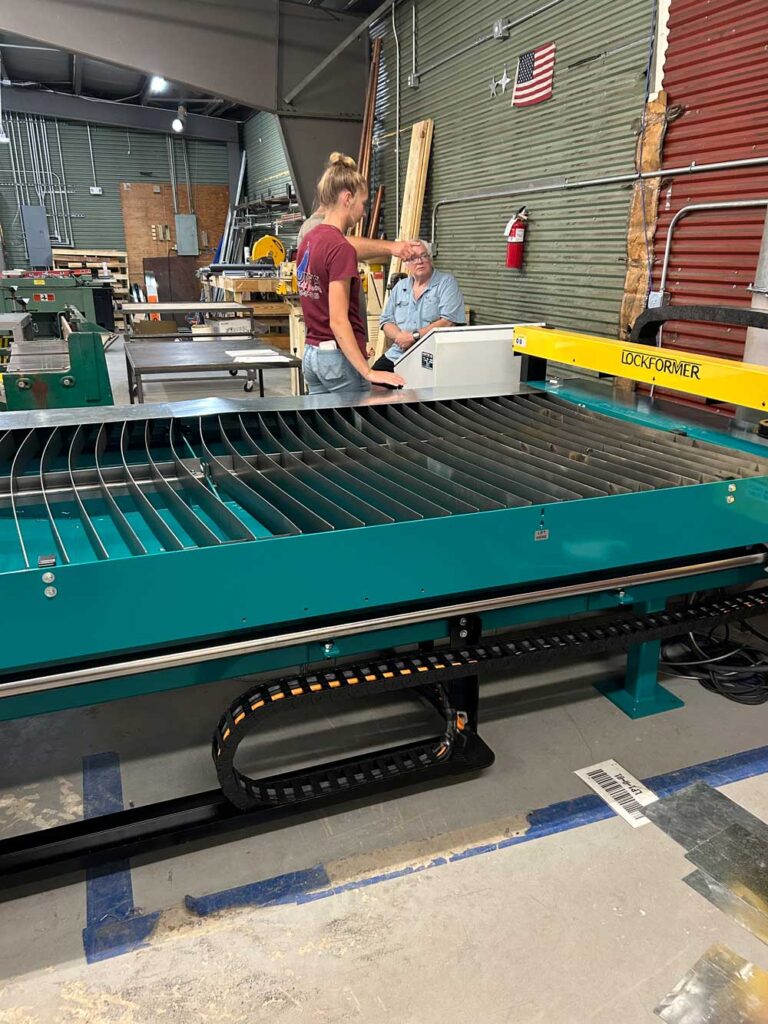
At Young’s Mechanical Solutions, we’re always looking for ways to improve the speed, precision, and efficiency of the services we provide to our customers across Harrisonburg, the Shenandoah Valley, and beyond. Our latest investment in innovation is a new CNC plasma cutting table, a state-of-the-art tool that will transform how we fabricate sheet metal ductwork for commercial HVAC projects.

What This Means for Our Customers

This new machine allows us to cut the sheet metal that becomes ductwork with unmatched accuracy and efficiency. Every piece we fabricate is now labeled for easy installation, ensuring that the right piece goes in the right place—saving time on-site and reducing errors.

Even better, the plasma table can cut steel up to ¼” thick, giving us the flexibility to handle not just ductwork but also other specialty fabrication needs when projects call for it. The result: faster turnaround times, more precise parts, and a smoother installation process for our clients.

How the CNC Plasma Table Works

A plasma table uses a computer-controlled torch to cut conductive metals like steel and aluminum. By directing a stream of ionized gas (plasma) along a programmed path, it produces clean, consistent cuts every time. The process begins with a CAD design, which is converted into a tool path the machine follows. From there, the CNC system controls every detail—torch height, speed, and movement—ensuring efficiency and accuracy.

Key benefits include:

  • Speed & Efficiency: Cuts metal parts quickly to keep projects moving.

  • Precision & Accuracy: Produces repeatable, high-quality cuts for reliable results.

  • Versatility: Can handle ductwork and heavier steel components.

  • Cost-Effectiveness: Reduces waste and saves labor on installations.

Innovation That Supports Our Mission

From our shop in Harrisonburg, our skilled team already fabricates ductwork and piping for projects across Virginia and West Virginia. Adding this CNC plasma table is one more way we’re investing in technology that supports our mission—to deliver commercial HVAC and plumbing solutions that are efficient, precise, and built to last.

Ready to Put It to Work

Whether you’re a general contractor bidding a public project or a business owner seeking a design-build partner, you can count on Young’s Mechanical Solutions to bring not just experience, but also the latest tools and technology to your job.

📍 Visit us at: 1043 S High St, Harrisonburg, VA 22801
📞 Call us: (540) 214-2745