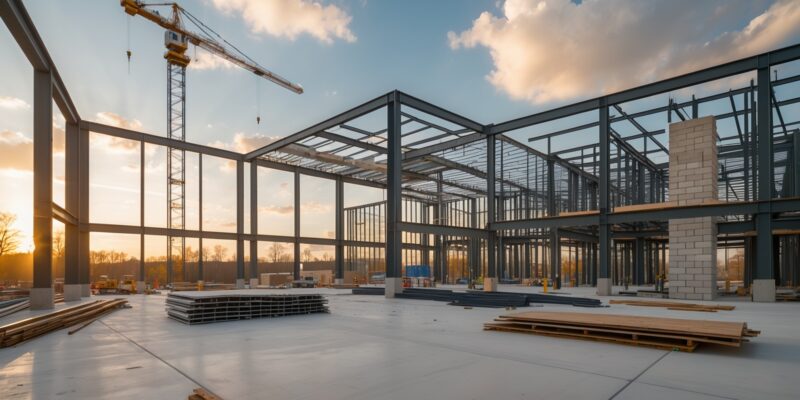
For general contractors planning fall ground-up commercial projects, the decisions made in June set the rhythm of the entire job. Mechanical lead times, sheet metal fabrication slots, project manager availability — these all get scheduled out two and three months in advance during early summer, and the GCs who wait until August to choose a mechanical sub are the ones explaining schedule slips in November. Locking in a design-build partner now is one of the highest-leverage moves available to a GC running a fall ground-up.
Why June Sets the Trajectory for Fall Ground-Up Schedules
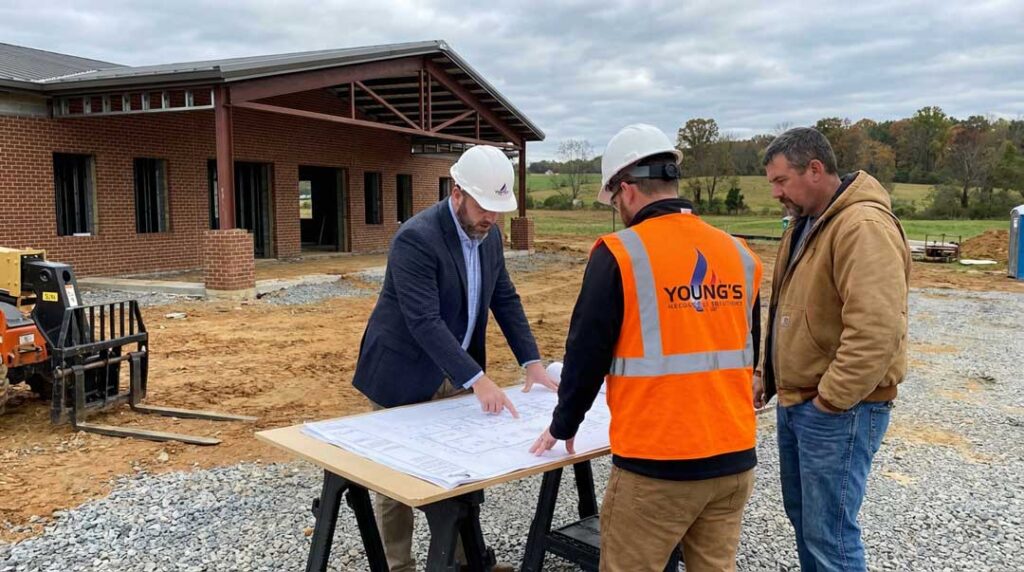
Commercial mechanical work has a long tail of upstream commitments that nobody sees at the framing stage. By the time the slab is poured and steel goes up, the mechanical sub is already deep into procurement and shop fabrication. If those steps weren’t booked early, the schedule starts compressing.
Three constraints drive the early commitment:
- Equipment lead times. Rooftop units, air-handling equipment, chillers, boilers, and any specialty mechanical equipment routinely run six to fourteen weeks from PO. A mechanical sub that commits in June can have equipment landing on site as steel tops out. A sub that commits in August is fighting for slots and explaining slips.
- Fabrication capacity. Subs with in-house ductwork shops — like ours — allocate fab capacity by the calendar quarter. Once a quarter fills up, the next available window is months out. Early commitment is what reserves shop time.
- Field crew loading. Foremen and crew leads get committed to projects in sequence. The best people get assigned to the projects that committed first. GCs that delay sub selection get whoever is left.
None of these constraints are visible from outside a mechanical shop. But every one of them is being managed right now — in June, looking out at fall mobilization windows.
What “Locking In” a Mechanical Sub Actually Buys You
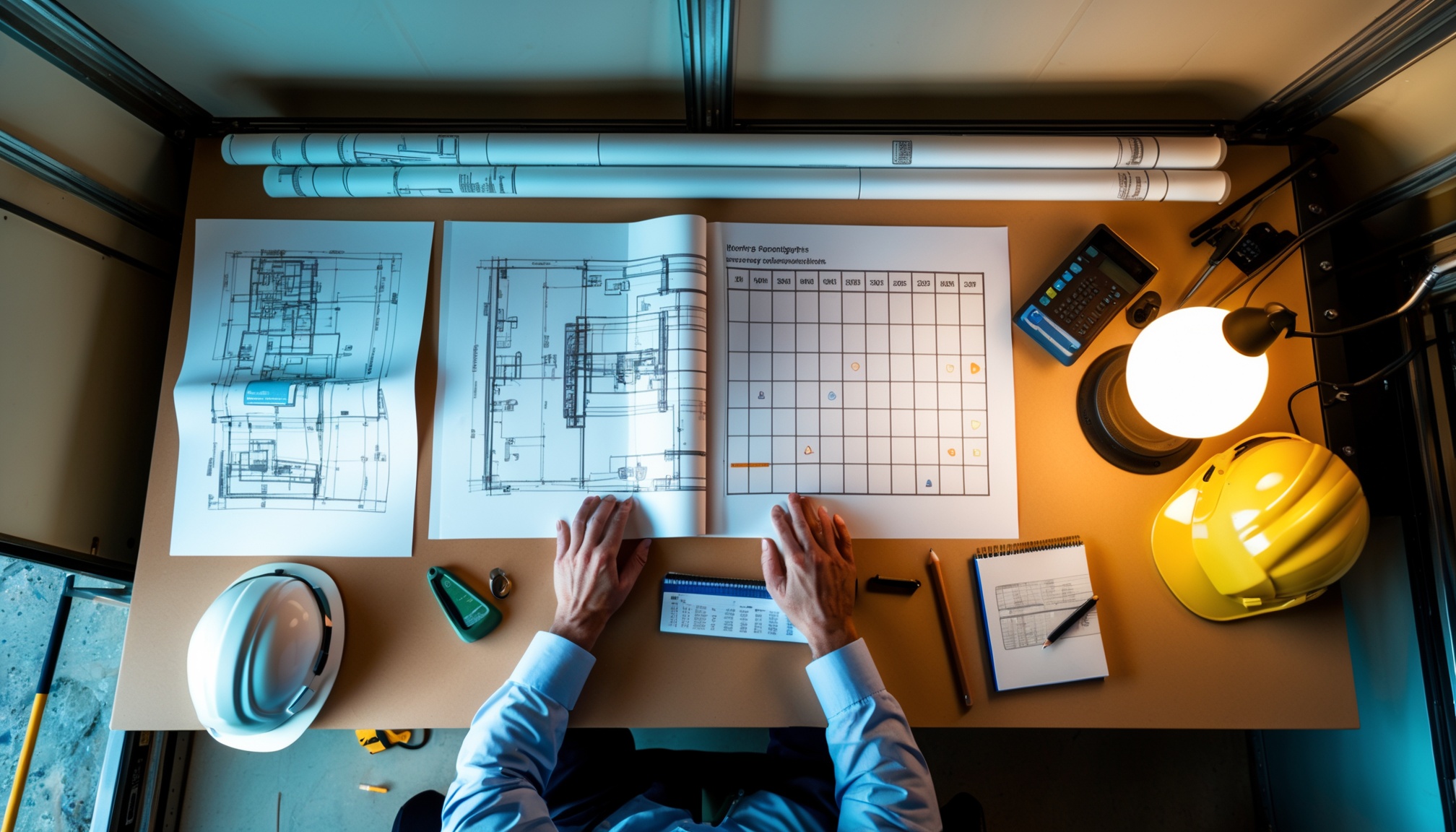
Locking in a sub isn’t just about signing a contract. It’s about pulling that sub into the project early enough to influence the parts of the job that go best when they’re coordinated — not the parts that get reactive once drawings are issued for construction.
Design-Build Input Before the Drawings Lock
The biggest savings happen when the mechanical sub is engaged before the architect issues final mechanical scope. Early design-build input catches sequencing problems, identifies value-engineering opportunities, and confirms that equipment choices match what’s actually available in the build window. Once drawings are issued for permit, those conversations get expensive.
Procurement Aligned with the Schedule
An early-committed sub aligns equipment procurement with the actual construction sequence. That means major equipment lands on site at the right time — not stacked in a laydown yard for weeks, and not delaying mechanical rough-in because it’s still en route.
Coordinated Trade Sequencing
Mechanical, plumbing, and electrical trades have to thread through the same overhead space. A mechanical sub that’s been on the job since pre-construction can negotiate that coordination with the other trades during weekly meetings rather than during a Friday-afternoon scramble. The result is fewer rework cycles and a cleaner punch list.
Predictable Change-Order Behavior
Subs that committed early and have skin in the schedule treat change orders differently than subs who showed up late. They understand the GC’s commitments downstream, they know the project history, and they tend to find solutions instead of opportunities. That’s worth more than the lowest hard-bid number.
Red Flags When Evaluating Mechanical Subs for Fall Mobilization
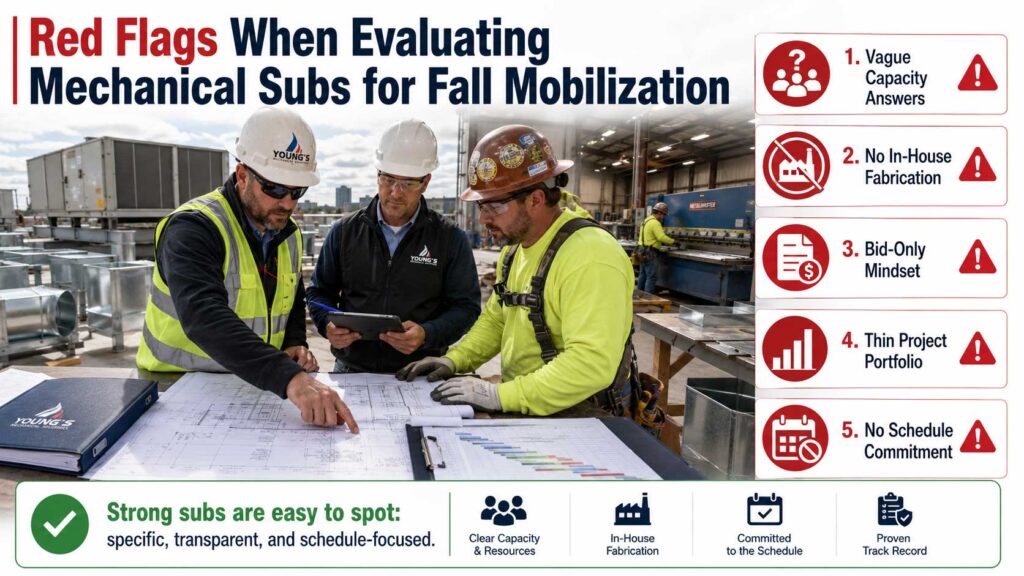
For GCs evaluating mechanical subs right now, here’s what tends to separate the partners you want for a fall ground-up from the ones that will create schedule risk:
- Vague answers about current capacity. A sub that can’t tell you which other commercial projects they’re committed to in Q4 is a sub that doesn’t know whether they can deliver yours. Ask specifically about shop fabrication slots and field crew availability for your mobilization window.
- No in-house fabrication. Subs that route all ductwork through third-party fab shops are exposed to those shops’ lead times and scheduling pressures. In-house fab means the sub controls the schedule on the largest mechanical assemblies.
- Reluctance on design-build input. If the only thing a sub wants to do is bid drawings, you’re missing the value of early engagement. Strong mechanical partners want to be in the room while drawings are being shaped.
- Thin documentation of past projects. A mechanical sub running consistent commercial work has a portfolio of completed projects with references. Subs that can only point to small or aging projects may not have the bandwidth for a multi-trade ground-up.
- Inability to commit on schedule milestones. A sub that won’t agree to specific mobilization, rough-in, and trim dates is a sub leaving the schedule risk with you.
The good news is that the strong subs are usually easy to spot in a single conversation. They ask about your other trades, they reference past projects with specifics, and they’re forthcoming about where their capacity stands for the back half of the year.
How Young’s Mechanical Solutions Partners with GCs on Fall Ground-Ups
Our team works with general contractors across the Shenandoah Valley and into West Virginia on commercial ground-up projects ranging from medical office buildings to schools, breweries, fire stations, and tenant fit-outs. Because we’re commercial-only and run in-house crews for sheet metal, mechanical piping, plumbing, and controls, GCs get one accountable mechanical partner instead of a chain of trade-specific subs to coordinate.
For fall mobilization windows specifically, our team is doing three things right now: confirming Q4 shop fabrication slots for committed projects, walking active commercial design-build opportunities with GCs in the planning stage, and aligning equipment procurement with mobilization dates. The earlier we’re in those conversations, the more we can influence the final scope to fit the budget and the schedule.
Our in-house ductwork fabrication shop in Harrisonburg gives GCs a real advantage on fast-track work. Pre-fabricated duct sections arrive at the jobsite already labeled and ready to hang, which compresses field install time and reduces the trade coordination headaches that come with on-site fab. Combined with the rest of our in-house crews, we can keep tight commercial construction schedules without waiting on outside vendors at any step of the build.
If you’re planning a commercial ground-up with fall mobilization and you haven’t locked in a mechanical partner yet, this is the window to have that conversation. Request a proposal for your next commercial project, or contact our team at 540-214-2745 to walk through the scope and your schedule. We’ll tell you straight whether we can hit your mobilization date — and if we can, we’ll commit to it.