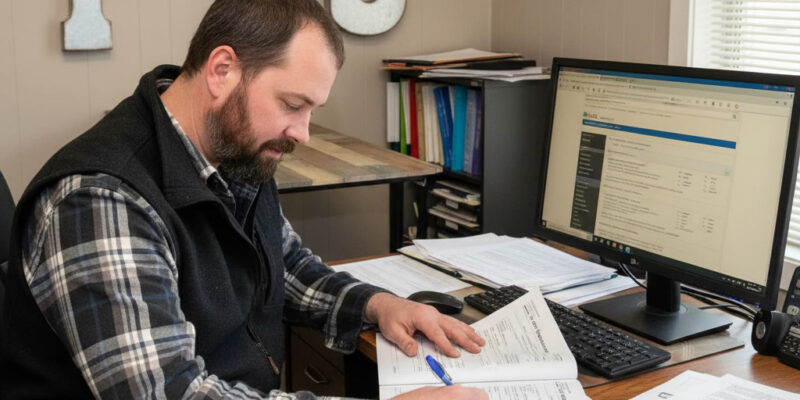
Ask any business owner who has built or renovated a facility in the Valley: getting permits and satisfying inspectors can sometimes be more challenging than pouring concrete or hanging ductwork. Each jurisdiction has its own quirks. Augusta County might require stamped drawings for an industrial boiler room, while a historic renovation in downtown Staunton may need additional review from the architectural review board. Across the mountain in West Virginia, you’ll find different forms, fees and inspection sequences. For busy owners and property managers, it can feel like you need a law degree just to upgrade your HVAC system.
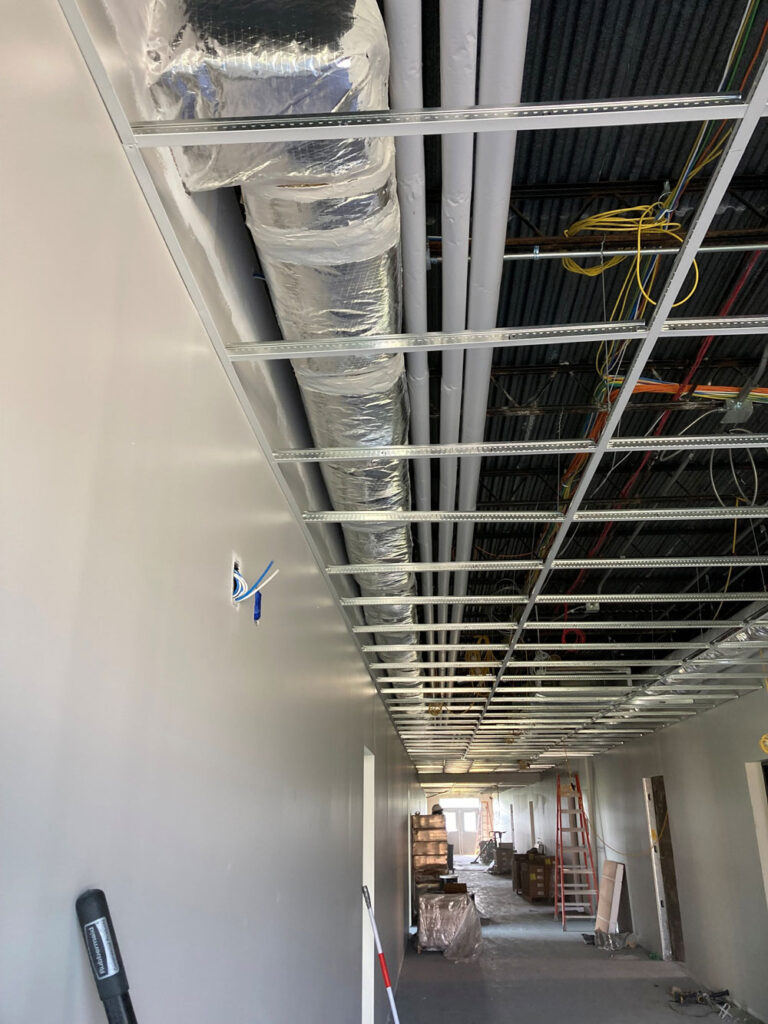
That’s where a local contractor makes all the difference. Young’s Mechanical Solutions holds licenses in Virginia and West Virginia and collaborates with general contractors and architects across Rockingham, Page, Albemarle and Shenandoah counties. Because the company handles projects from Harrisonburg to Winchester and down to Lexington, its team knows the permitting requirements and inspection timelines for each locality. In the pre‑construction phase they review local codes and coordinate with building officials so there are no surprises later.
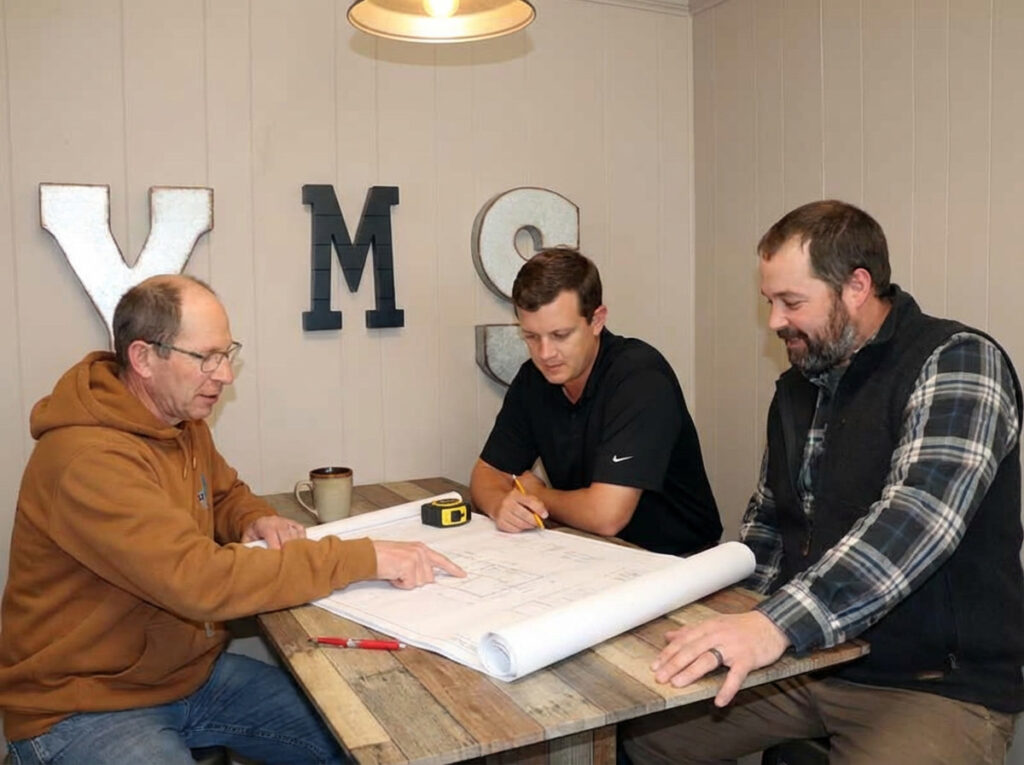
If you’re planning a project, start by understanding which codes apply. In Virginia, commercial HVAC and plumbing installations must meet the Virginia Uniform Statewide Building Code, which incorporates the International Mechanical Code and International Plumbing Code with local amendments. West Virginia uses similar standards but with its own adoption schedule. Each county may also have energy‑efficiency ordinances or design guidelines for historic districts. A good contractor will walk you through these requirements during the budgeting phase. At Young’s Mechanical Solutions, our project managers attend kickoff meetings with local inspectors to clarify expectations and agree on milestones.
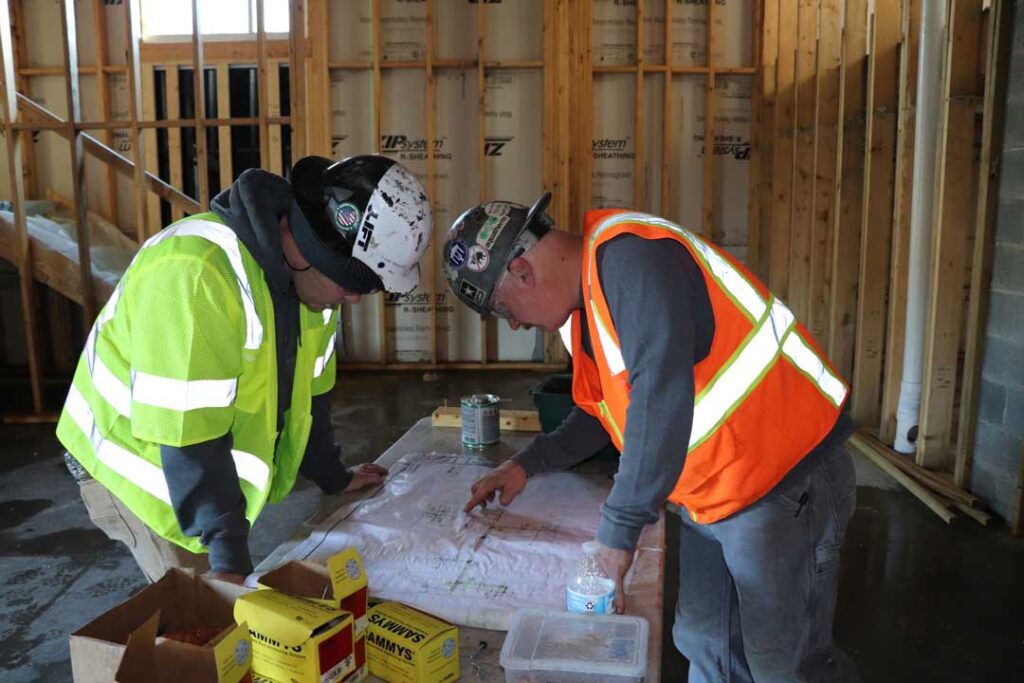
Timing is critical. In cities like Charlottesville, plan review queues can stretch for weeks, especially during construction booms at the University of Virginia. Augusta County’s office is usually quicker, but they might perform surprise field inspections. By submitting complete permit packages—drawings, equipment schedules and load calculations—and scheduling inspections early, you can avoid delays. Our team often helps clients in Harrisonburg or Waynesboro coordinate multiple trade permits (mechanical, electrical, plumbing) so that everything is signed off together. This unified approach reduces the risk of one trade holding up another.
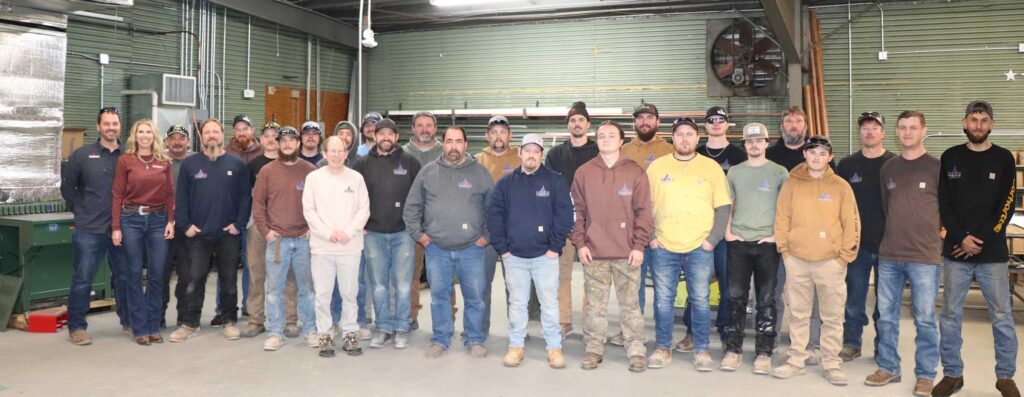
Finally, consider engaging a design‑build contractor. When the same firm handles design and construction, the permit process becomes smoother because there are fewer hand‑offs and less finger‑pointing. Young’s Mechanical Solutions notes that design‑build reduces miscommunication and change orders, which in turn makes inspectors happy. Whether you’re renovating a storefront on Main Street in Front Royal or building a new healthcare facility in Bridgewater, working with a contractor who speaks the language of local inspectors will save you headaches. Call us early, and we’ll guide you through the red tape so you can focus on what you do best.