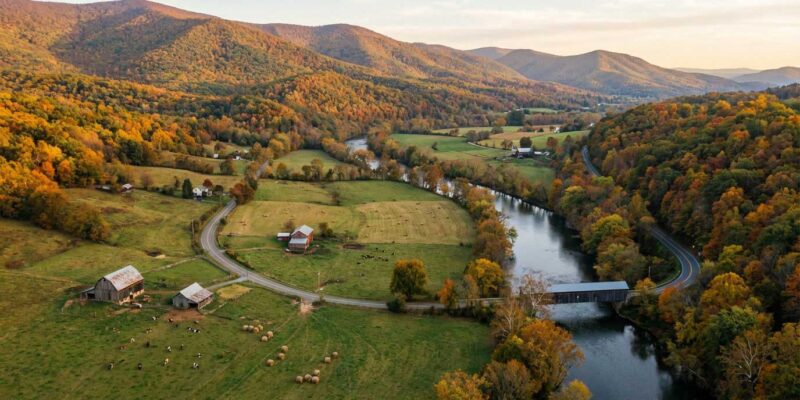
In a region carved by rivers and dotted with farms, water is both a blessing and a responsibility. The Shenandoah Valley’s terrain feeds springs and aquifers that supply towns from Harrisonburg to Luray, but droughts and aging infrastructure remind us that we can’t take plentiful water for granted. For commercial property owners—whether you run a hospital in Augusta County, a Wedding Venue in Page County or a school in Lexington—conserving water reduces utility bills and demonstrates stewardship of our shared resources.

Commercial plumbing systems are complex. Young’s Mechanical Solutions’ plumbers install, troubleshoot and repair water lines, drainage systems and fixtures in educational facilities, office buildings and healthcare centers. They read and interpret blueprints and codes, test systems for leaks and collaborate with project managers to ensure everything meets OSHA and state regulations. Those same skills can be applied to water‑conservation retrofits.
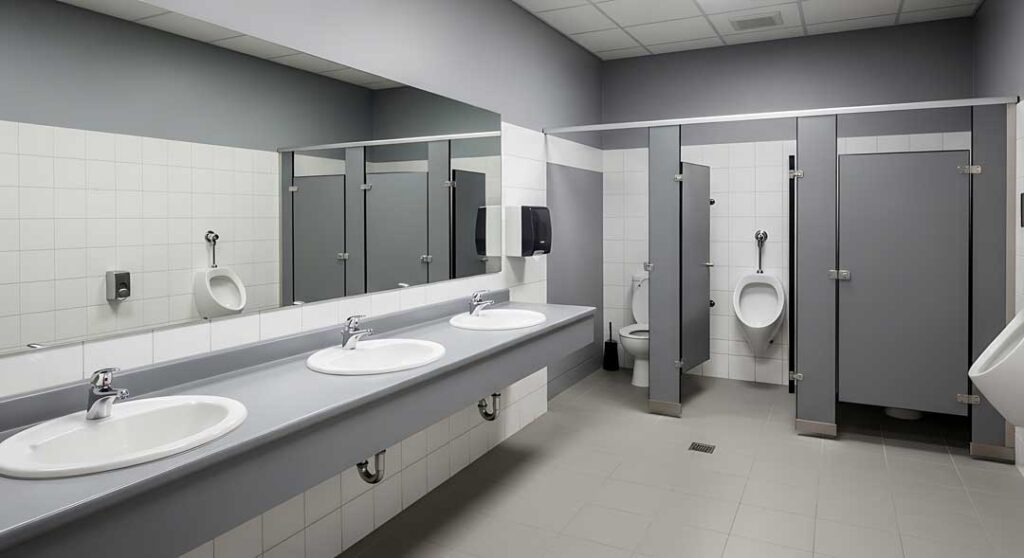
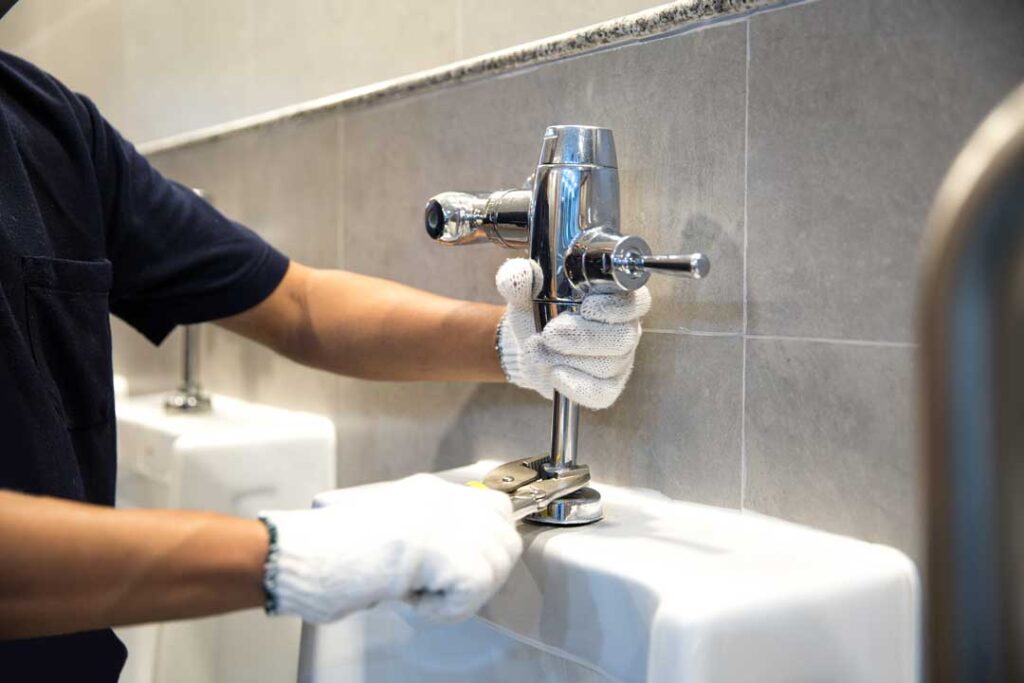
Start with low‑flow fixtures. Replacing old toilets and faucets with EPA WaterSense‑certified models can cut water use by 30 percent or more. Dual‑flush toilets are a simple upgrade that many of our clients in Staunton and Waynesboro have adopted. Touch less faucets not only save water but also improve hygiene—an important consideration for offices and schools. We can retrofit a manufacturing plant with foot‑operated sinks so employees could wash up without letting the tap run.
Leak detection is another powerful tool. A single leaking toilet can waste thousands of gallons per month, and leaks often go unnoticed in large facilities. Wireless sensors installed under sinks and near water heaters alert maintenance staff to drips and floods. Smart water meters, which monitor flow patterns in real time, can flag anomalies that suggest a hidden leak. Our service team integrates these devices into building‑automation systems, providing email or text alerts so issues can be addressed before they become costly.
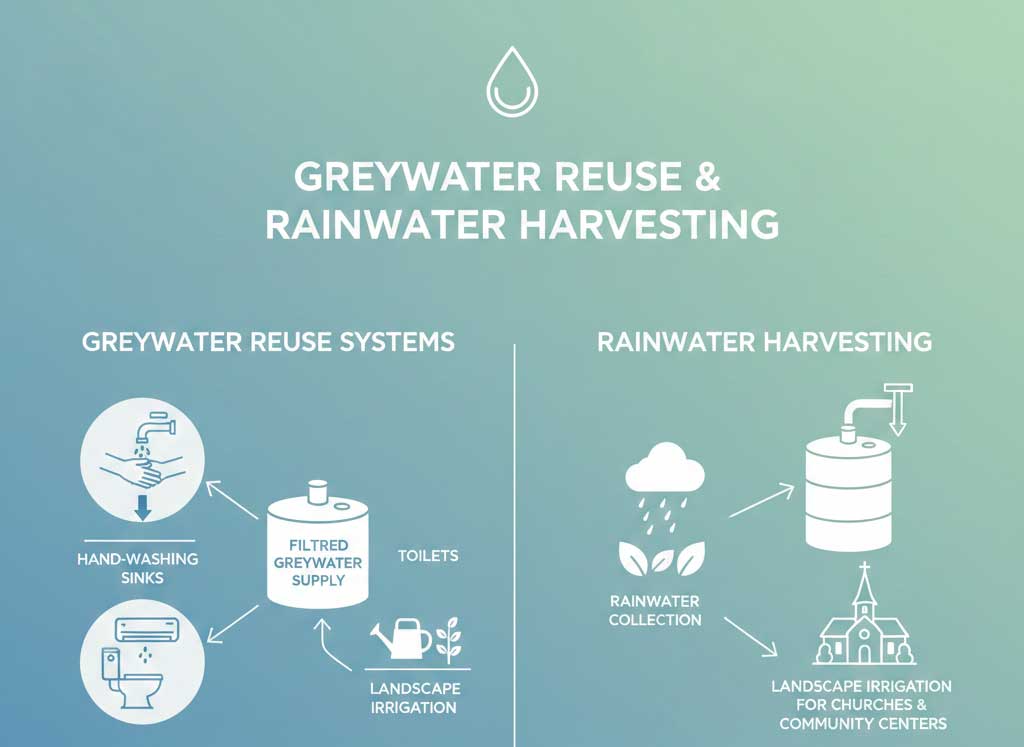
For larger projects, consider greywater reuse. Systems that capture water from hand‑washing sinks or HVAC condensate can supply toilets or irrigation. These are becoming popular in communities like Charlottesville, where green building certifications add value. Rainwater harvesting is another option; even a modest collection system can provide water for landscape irrigation at churches or community centers.
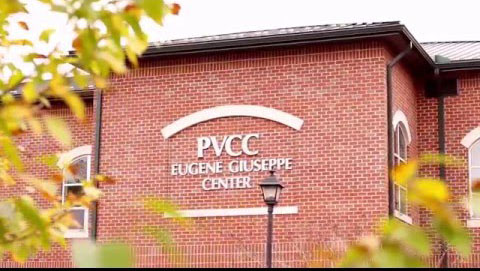
Water conservation also means proper maintenance. Regular inspections and backflow‑preventer testing keep systems operating efficiently. When Young’s Mechanical Solutions upgraded plumbing at the PVCC Giuseppe Center in Standardsville, the scope included long‑term mechanical and plumbing improvements designed to serve the space well into the future. By investing in quality materials and workmanship now, businesses can avoid costly repairs later.
Whether you manage a retail space in Front Royal, a restaurant in Winchester or a warehouse in Stuarts Draft, there are plenty of ways to cut water use without sacrificing performance. Let us help you find the right mix of fixtures, sensors and reuse strategies to meet your sustainability goals and keep our Valley’s water sources healthy for generations.