What to Expect During a Commercial HVAC Service Call

A facility manager’s guide to the service process — from scheduling to follow-up

Introduction

When your commercial HVAC system needs attention — whether it’s a scheduled maintenance visit or an unexpected issue — knowing what to expect from the service process can make a real difference. It helps you plan around downtime, communicate with building occupants, and make informed decisions about your mechanical systems.

At Young’s Mechanical Solutions, we’ve built our service division around one principle: clear communication and efficient execution from the moment you call to the moment we close out the work order. Here’s what that process looks like, step by step.

Step 1: Scheduling and Dispatch

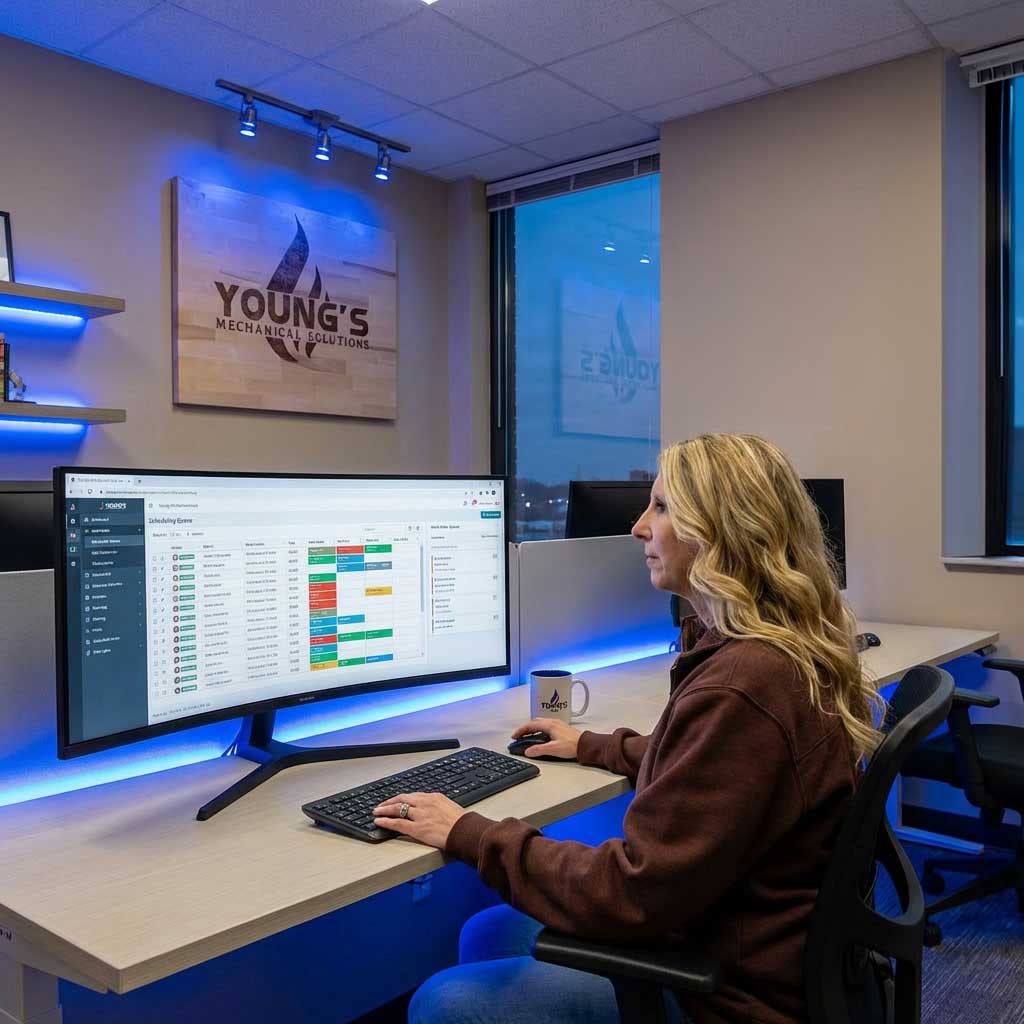
Every service call starts with our technology-driven scheduling system. When you contact our team, your facility’s information — including equipment history, past repairs, and any open service agreements — is already in our system. This means we can assign the right technician with the right skill set and prioritize your call based on urgency and equipment type.

For facilities with active service agreements, scheduling is even faster. Your equipment is already cataloged, your building’s access requirements are on file, and our dispatchers can confirm a service window quickly — often the same day for urgent issues.

Step 2: Arrival and Assessment

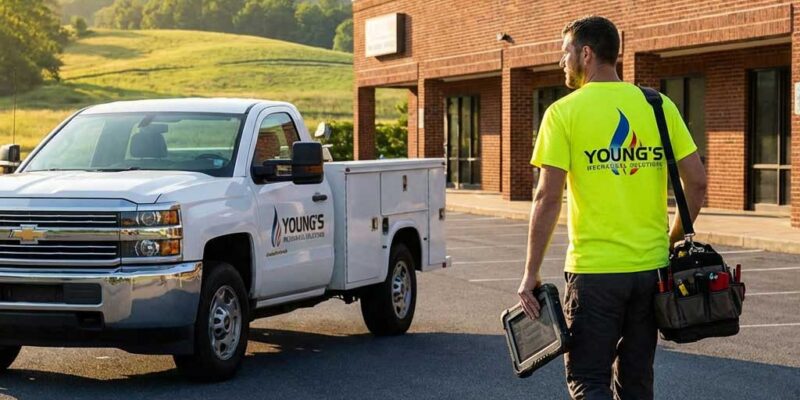
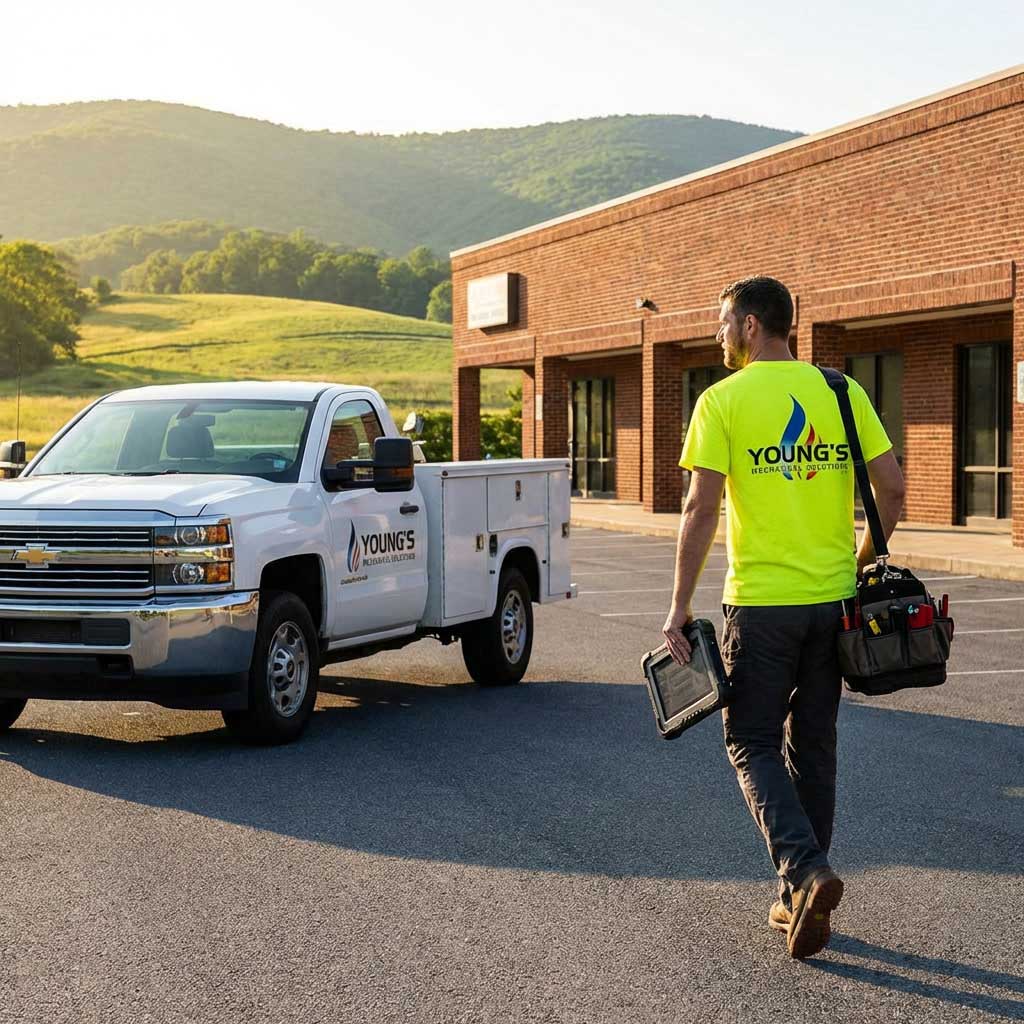
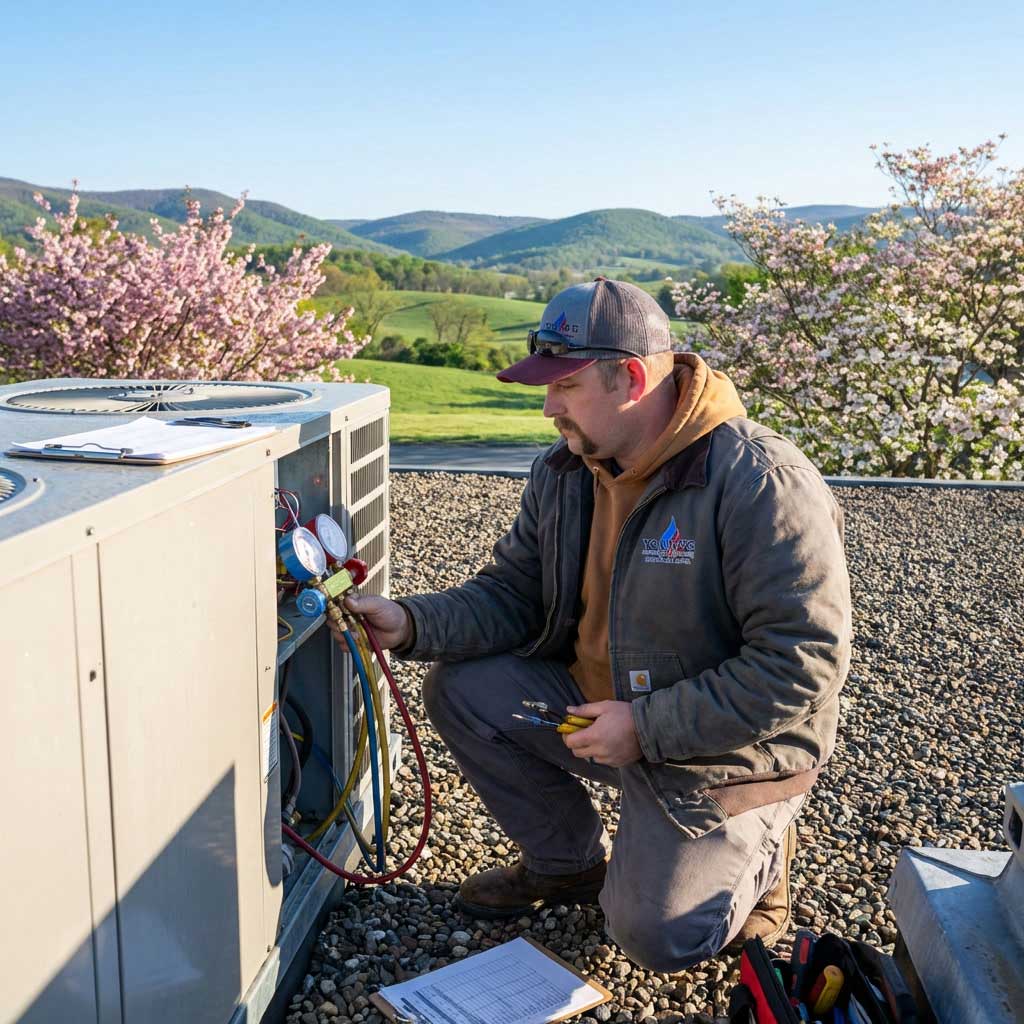
When your assigned technician arrives, the first step is always a thorough assessment. Our technicians don’t jump straight to repairs — they start by reviewing the equipment’s service history on their tablet, speaking with on-site staff about the symptoms they’ve observed, and performing a systematic inspection.

This matters because commercial HVAC issues rarely have a single cause. A comfort complaint in one zone might stem from a controls issue, an airflow imbalance, or a failing component upstream. Our technicians are experienced with all major equipment brands and trained to diagnose root causes, not just symptoms.

Step 3: Diagnosis and Recommendation

Once the assessment is complete, your technician will explain what they’ve found in straightforward terms. No unnecessary jargon, no pressure. You’ll receive a clear explanation of the issue, what’s needed to resolve it, and — if applicable — options for addressing the problem at different cost levels.

For straightforward repairs, many issues can be resolved during the initial visit. For more complex situations — a compressor replacement, refrigerant system repair, or controls upgrade — we’ll provide a detailed scope and timeline before any additional work begins.

Step 4: Repair and Documentation

Every repair we perform is documented in your facility’s equipment history. This isn’t just for our records — it’s for yours. Over time, this repair history becomes a valuable asset that helps you and your team make smarter decisions about when to repair, when to replace, and where your maintenance budget is best spent.

Our system tracks component life cycles, recurring issues, and total maintenance spend by unit. For facility managers who oversee multiple buildings or complex systems, this kind of data turns reactive maintenance into informed planning.

Step 5: Follow-Up and Ongoing Support

The service call doesn’t end when the technician leaves. For service agreement clients, every completed visit feeds into your facility’s long-term maintenance plan. We’ll flag any equipment that’s approaching end-of-life, recommend preventative measures for the upcoming season, and ensure your system is optimized before the next heating or cooling cycle puts it to the test.

Even for one-time service calls, we provide follow-up documentation and remain available for questions. Our goal is a long-term relationship, not a one-time transaction.

Why the Process Matters

A good service call isn’t just about fixing what’s broken. It’s about building a clear picture of your facility’s mechanical health so you can plan ahead, avoid surprises, and keep your operating costs under control.

Young’s Mechanical Solutions brings experienced technicians, technology-driven service tracking, and a commitment to clear communication to every service visit across the Shenandoah Valley — from Harrisonburg to Staunton to the West Virginia border.

Ready to Talk?

Contact Young’s Mechanical Solutions to schedule a consultation or request a proposal.

Phone: 540-214-2745

Email: info@youngsmechanicalsolutions.com

Spring Startup Checklist: Transitioning Commercial HVAC Systems for Cooling Season

Practical steps facility managers should take now to prepare for summer demand

Introduction

Every spring, commercial HVAC systems across the Shenandoah Valley face the same transition: shifting from heating mode to cooling mode as temperatures climb. For facility managers, this changeover window is one of the most important maintenance touchpoints of the year.

Getting it right means your tenants, employees, and building occupants stay comfortable through the summer without unexpected breakdowns or inflated energy bills. Getting it wrong — or skipping it entirely — often means emergency service calls during the first heat wave, when every mechanical contractor in the region is already booked.

Here’s a practical checklist for transitioning your commercial HVAC systems from heating to cooling season.

1. Inspect and Replace Air Filters

This is the simplest and most impactful step. Filters that ran all winter are loaded with dust, debris, and particulates. Dirty filters restrict airflow, force equipment to work harder, and degrade indoor air quality — all of which translate to higher operating costs and more wear on your system.

Replace all filters before switching to cooling mode. If your building uses higher-efficiency filtration (MERV 13 or above), verify that replacement stock is on hand — supply chain delays on specialty filters can stretch into weeks.

2. Clean and Inspect Condenser and Evaporator Coils

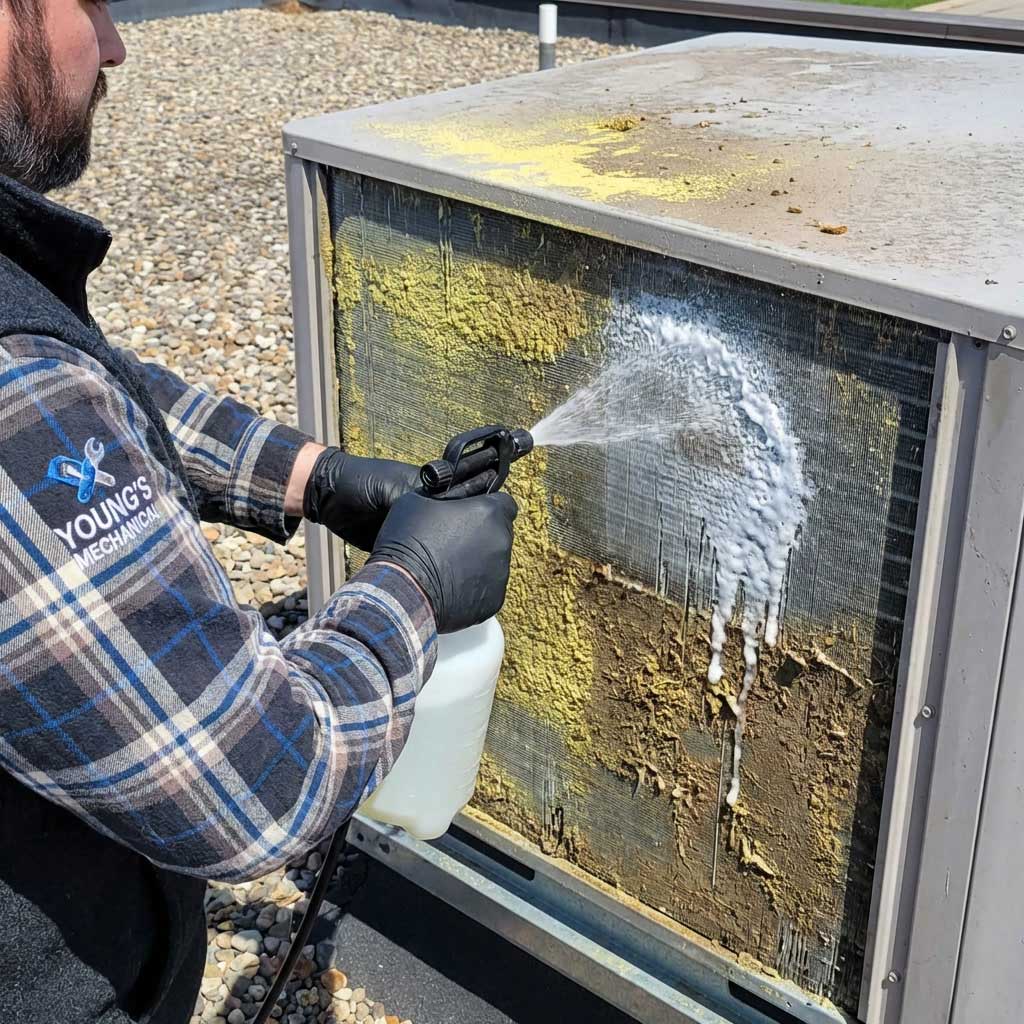
Outdoor condenser coils collect dirt, pollen, leaves, and debris over the winter and early spring. Even a thin layer of buildup reduces heat transfer efficiency, meaning your system uses more energy to achieve the same cooling output.

Indoor evaporator coils should also be inspected for cleanliness and checked for any signs of corrosion or refrigerant leaks. A dirty or damaged coil doesn’t just reduce efficiency — it can lead to frozen coils and compressor damage during peak cooling demand.

3. Check Refrigerant Levels and Inspect for Leaks

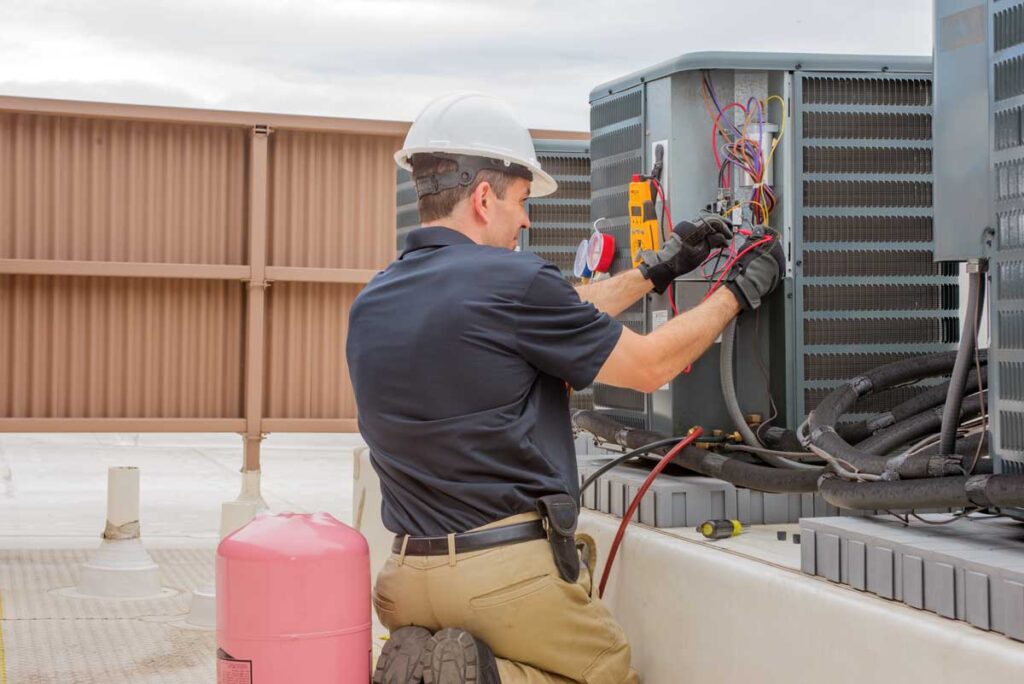
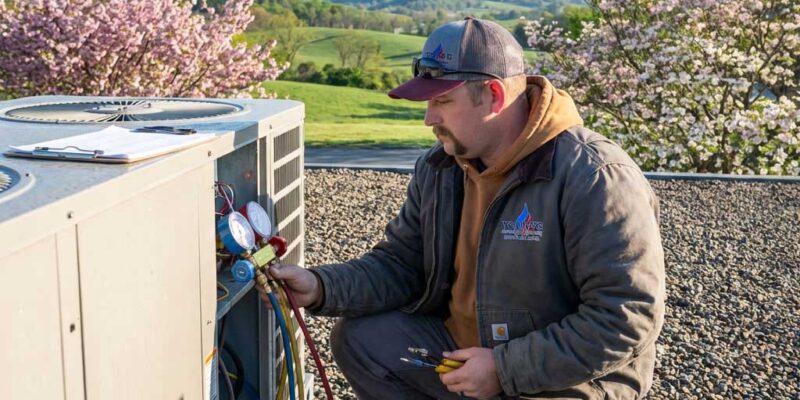
Low refrigerant is one of the most common causes of poor cooling performance in commercial systems. A refrigerant check during spring startup catches slow leaks that developed over the winter before they become a midsummer crisis.

Your technician should verify refrigerant charge levels, inspect line sets for signs of oil staining (an indicator of leaks), and ensure all service valves are properly sealed.

4. Test and Calibrate Controls

Building automation and thermostat controls that were set for heating season need to be reviewed and adjusted for cooling. This includes verifying setpoint schedules, confirming that occupied and unoccupied modes are programmed correctly, and testing changeover logic for heat pump or dual-mode systems.

In buildings with multiple zones, this step is especially critical. A controls setting that worked fine for heating can cause simultaneous heating and cooling in adjacent zones — wasting energy and creating comfort complaints.

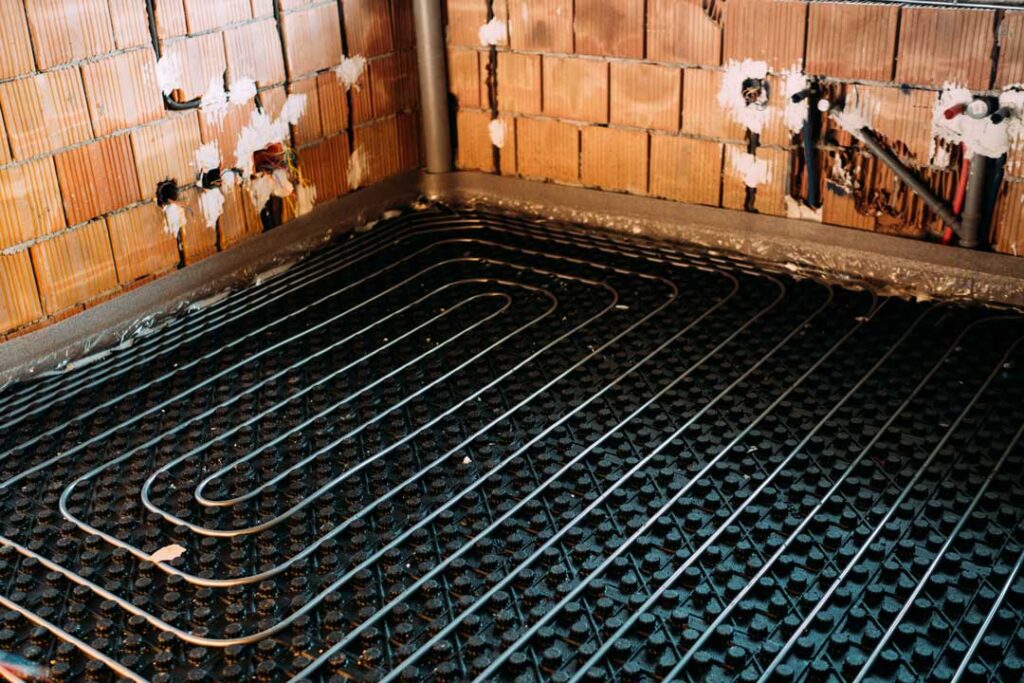
5. Clear Condensate Drains

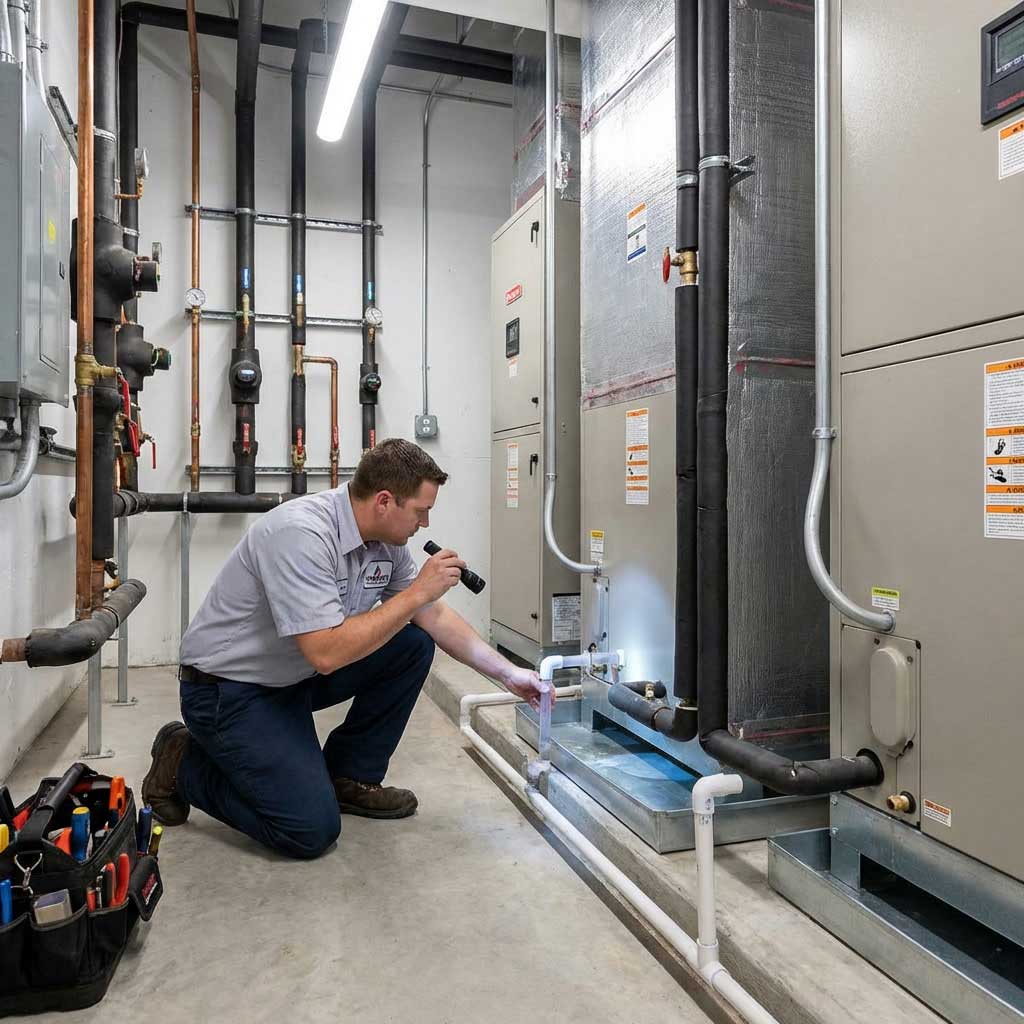
Condensate drain lines that sat dormant during heating season can develop algae growth, sediment blockages, or trap seal failures. Once cooling starts and condensate begins flowing, a blocked drain can cause water damage, mold growth, and equipment shutdowns.

Flushing drain lines and verifying trap seals during spring startup is a low-cost step that prevents expensive water damage claims later in the summer.
6. Inspect Belts, Bearings, and Moving Components

Fan belts that ran through an entire heating season may be stretched, cracked, or misaligned. Bearings in fan motors and pump assemblies should be checked for noise and lubricated as needed. Catching a worn belt or dry bearing now prevents a mid-July failure that shuts down cooling for an entire floor.

7. Review Your Service Agreement

If your facility has a service agreement with Young’s Mechanical Solutions, most of these checklist items are already scheduled and handled proactively. Our technicians arrive before the cooling season begins, perform a comprehensive startup inspection, and document everything in your facility’s equipment history.

If you don’t have a service agreement in place, spring is the ideal time to start one. Proactive maintenance during the changeover season is far less expensive — and far less disruptive — than emergency repairs during peak cooling demand.

Don’t Wait for the First Hot Day

The Shenandoah Valley can swing from cool spring mornings to summer-like heat in a matter of days. Scheduling your spring HVAC startup now — while technicians are available and the workload is manageable — gives you the best chance of a smooth, trouble-free cooling season.

Young’s Mechanical Solutions provides commercial HVAC spring startup services and year-round service agreements for facilities across Harrisonburg, Staunton, Waynesboro, Lexington, and the surrounding region.

Ready to Talk?

Contact Young’s Mechanical Solutions to schedule a consultation or request a proposal.

Phone: 540-214-2745

Email: info@youngsmechanicalsolutions.com

How Mechanical Contractors and General Contractors Build Successful Project Partnerships

On any commercial construction project, the relationship between a general contractor and their mechanical subcontractor can make or break the job. When the partnership works well, the project runs on schedule, stays on budget, and the mechanical systems perform as designed. When it doesn’t, you get missed deadlines, change orders, finger-pointing, and problems that follow the building for years.

The difference usually isn’t luck. It comes down to how both parties approach the working relationship—from preconstruction through commissioning. Here’s what makes the GC-mechanical contractor partnership work, and what general contractors should look for when choosing a mechanical sub.

It Starts Before the Bid

The strongest GC-mechanical contractor relationships don’t start on bid day. They start with understanding how each side operates. A good mechanical contractor invests time in understanding the GC’s project approach, communication expectations, and scheduling priorities before a proposal is ever submitted.

For general contractors evaluating mechanical subs, the preconstruction phase tells you a lot. Does the mechanical contractor ask smart questions about the project? Are they identifying potential conflicts or value engineering opportunities before the price is locked in? Are they responsive and organized in their communication? These early signals are strong predictors of how the job will go.

Communication That Prevents Problems

Most project problems don’t come from technical failures—they come from communication breakdowns. A mechanical contractor who communicates clearly and proactively saves the GC time, money, and headaches. That means providing accurate and timely submittals, flagging schedule conflicts before they become delays, keeping the GC informed about manpower and material status, and being upfront about challenges rather than hiding them until they become crises.

At Young’s Mechanical Solutions, we treat communication as part of the scope of work, not an afterthought. Our project leadership includes experienced estimators, project managers, and field supervisors who stay in regular contact with the GC team throughout the project.

Manpower and Self-Performance Matter

One of the biggest risks on a commercial project is a mechanical sub who can’t deliver the manpower they promised. General contractors have experienced this firsthand—a subcontractor bids competitively, wins the job, and then struggles to staff it properly. The result is schedule slippage that ripples across every other trade on the project.

This is where self-performing mechanical contractors have a real advantage. Young’s Mechanical Solutions maintains in-house sheet metal crews, mechanical piping crews, plumbing crews, and controls and startup technicians. Our ductwork fabrication is performed in our own shop. That means we control our schedule, our quality, and our ability to scale up when the project demands it—without relying on a chain of sub-subcontractors.

Design-Build Collaboration

On design-build and negotiated work, the GC-mechanical contractor partnership becomes even more critical. These projects require a mechanical contractor who can contribute to the design process, not just execute it. That means participating in system selection, performing load calculations, identifying cost-effective alternatives, and collaborating directly with architects and engineers.

General contractors in the Shenandoah Valley and across Virginia who work on design-build projects need a mechanical partner who brings both technical expertise and construction experience to the table. The ability to design a system and then build it with your own crews eliminates the gaps and miscommunication that often plague projects where design and construction are handled by separate parties.

What to Look for in a Mechanical Subcontractor

If you’re a general contractor evaluating mechanical subs for commercial work, here are the qualities that consistently separate the reliable partners from the ones that create problems: commercial-only focus (a contractor whose entire business is built around commercial mechanical work understands the pace, coordination, and quality demands of your projects), in-house capabilities (self-performing contractors with their own crews and fabrication shop give you more control and less risk), experienced leadership (look for a team with project managers and field supervisors who have been through complex commercial projects before), and strong references from other GCs (the best indicator of future performance is how they’ve performed for others).

Building Long-Term Partnerships

The most successful GC-mechanical contractor relationships aren’t transactional. They’re built over multiple projects, with each job strengthening the working relationship. When both sides invest in communication, reliability, and mutual respect, the partnership compounds—projects get smoother, coordination gets tighter, and the end product gets better.
At Young’s Mechanical Solutions, our goal is to be a long-term mechanical partner for general contractors across Virginia and West Virginia. We’re not looking for one-off jobs—we’re building relationships that last.

Let’s Talk About Your Next Project

If you’re a general contractor looking for a dependable commercial mechanical subcontractor in the Shenandoah Valley, we’d welcome the chance to talk about how we can support your next project—whether it’s a hard-bid public job or a design-build partnership.

Contact Young’s Mechanical Solutions to request a proposal or schedule a conversation about working together.
Phone: 540-214-2745

Email: info@youngsmechanicalsolutions.com

Service Area: Harrisonburg, VA and the Shenandoah Valley | Licensed in Virginia and West Virginia

What Facility Managers Should Know Before a Major HVAC System Replacement

At some point, every commercial HVAC system reaches the end of its useful life. When that time comes, the decisions you make before the project starts will have a bigger impact on cost, timeline, and long-term performance than almost anything that happens during installation.
Whether you’re managing an office building, a retail space, a healthcare facility, or a school in the Shenandoah Valley, a major system replacement is a significant capital investment. Here’s what you should be thinking about before the work begins.

Repair vs. Replace: When Is It Time?

The decision to replace a commercial HVAC system is rarely straightforward. Equipment doesn’t always fail all at once—it degrades gradually, with increasing repair frequency, declining efficiency, and rising energy costs. A few key indicators suggest replacement may be the better path: the system is 15–20+ years old, repair costs are escalating year over year, parts are becoming difficult to source, energy bills are climbing despite consistent usage, or the system can no longer maintain consistent comfort throughout the building.

If you’ve been keeping service records—especially through a maintenance agreement—you’ll have the data to make this decision with confidence rather than guesswork.

Full Replacement vs. Phased Approach

Not every replacement needs to happen all at once. Depending on your building’s layout, the number of systems involved, and your budget, a phased replacement approach may make more sense. This allows you to spread capital costs over multiple budget cycles while addressing the most critical equipment first.

A full replacement, on the other hand, can be more efficient from a project management standpoint—one mobilization, one set of permits, and a single coordinated installation. Your mechanical contractor should be able to walk you through both options and help you evaluate what makes the most sense for your situation.

Budgeting Beyond the Equipment

One of the most common mistakes in a system replacement is underestimating the full scope of the project. The cost of the equipment itself is only part of the picture. You should also account for demolition and removal of existing systems, ductwork modifications or replacement, electrical and controls upgrades, structural considerations for heavier or larger units, permitting and inspection requirements in Virginia and West Virginia, and temporary cooling or heating solutions during the transition.

A good mechanical contractor will help you identify these costs upfront so there are no surprises once the project is underway.

Minimizing Disruption to Building Operations

For most commercial buildings, the facility can’t just shut down while HVAC work is completed. Tenants, employees, patients, students—whatever your occupancy looks like—expect the building to function. Planning for minimal disruption should be a central part of your replacement strategy.

This means working with your contractor to schedule work during off-hours or low-occupancy periods, staging the replacement so parts of the building remain operational, planning for temporary heating or cooling during transition periods, and coordinating with other trades if the project involves broader construction.

Experienced commercial mechanical contractors plan around your operations, not the other way around.

Choosing the Right Mechanical Contractor

A major system replacement is not the time to go with the lowest bidder without understanding what you’re getting. The contractor you choose should have deep experience with commercial HVAC systems—not residential. They should be able to demonstrate in-house capabilities including ductwork fabrication, mechanical piping, and controls, carry proper licensing for your jurisdiction, provide references from similar commercial projects, and communicate clearly about timelines, costs, and any issues that arise during the project.

Young’s Mechanical Solutions brings over two decades of commercial mechanical experience, in-house fabrication, and a team that includes sheet metal crews, piping crews, plumbing crews, and controls technicians—all under one roof. We’re licensed in both Virginia and West Virginia.

Thinking Long-Term: Efficiency and Technology

A system replacement is also an opportunity to upgrade. Today’s commercial HVAC equipment offers significantly better energy efficiency, smarter controls, and improved indoor air quality compared to systems installed even ten years ago. If your current system was designed for a different building use or occupancy level, a replacement gives you the chance to right-size and optimize for how the building is actually used today.

Investing in higher-efficiency equipment and modern controls can reduce operating costs for years to come—making the upfront investment easier to justify.

Start the Conversation Early

The best time to start planning a major HVAC replacement is before the old system forces your hand. If you’re seeing the warning signs—rising repair costs, declining performance, aging equipment—now is the time to bring in a commercial mechanical contractor to assess your options.

Contact Young’s Mechanical Solutions to schedule a consultation. We’ll evaluate your current systems, walk you through your options, and help you develop a replacement plan that fits your budget and timeline.

Phone: 540-214-2745

Email: info@youngsmechanicalsolutions.com

Service Area: Harrisonburg, VA and the Shenandoah Valley | Licensed in Virginia and West Virginia

Creating Mechanical Resilience for Extreme Weather in the Shenandoah Valley

Businesses rely on their buildings to remain comfortable and functional no matter what the weather brings. Whether a summer heatwave pushes cooling systems to their limits or a winter storm covers parking lots in ice, mechanical systems must keep staff productive and equipment running. At Young’s Mechanical Solutions, resilience isn’t an afterthought—it is built in from day one.

The process begins long before the first sheet‑metal panel is fabricated. During pre‑construction, the company’s engineers study the region’s climate to understand the extremes it will face. Their team notes that the Shenandoah Valley experiences hot, humid summers and snowy winters, so they design systems with those conditions in mind. Load calculations help determine the right size and capacity of chillers, boilers and pumps. They also evaluate renewable‑energy options and look for utility incentives that can offset the cost of high‑efficiency equipment.

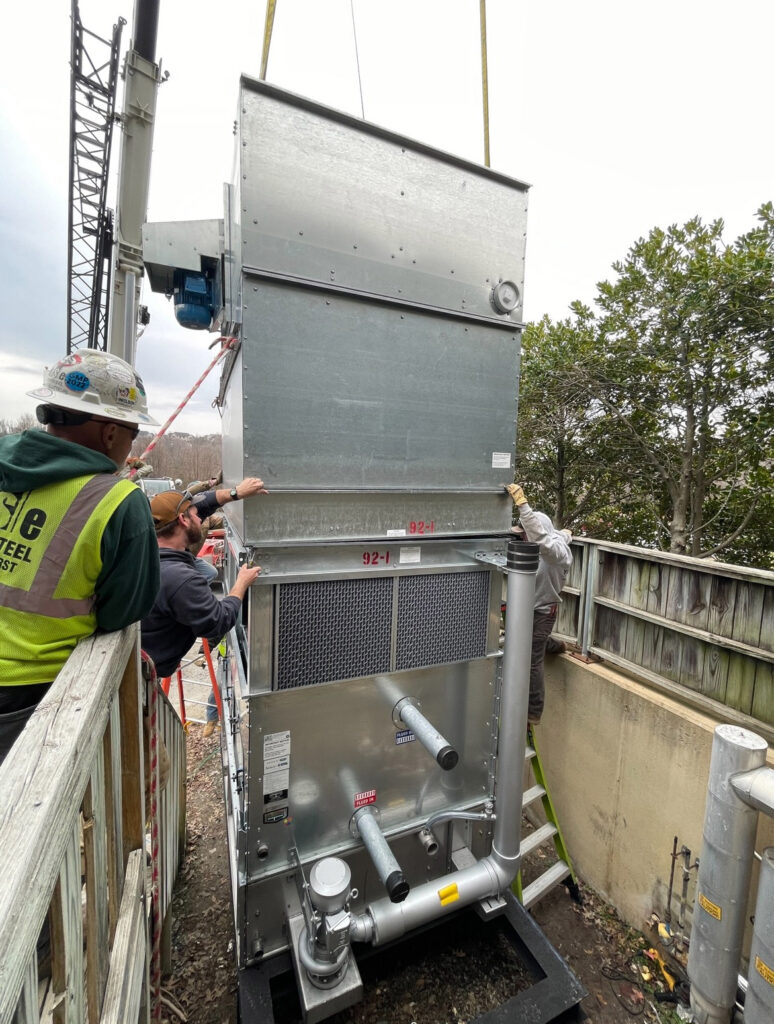
Selecting the right technology is essential. In one recent project, the company installed radiant floor heating served by air‑to‑water heat pumps to provide consistent warmth without wasting energy. These systems don’t just heat the building itself; snow‑melt loops embedded in exterior slabs prevent ice buildup and improve safety. Similar strategies are used when designing mechanical systems for facilities that require continuous operation—redundant chillers and pumps ensure that there is always backup capacity.

Once equipment is in place, proper upkeep protects that investment. Young’s Mechanical Solutions stresses that commercial HVAC service work is at the core of its culture. The company has integrated a scheduling program that syncs with repair histories to make sure technicians arrive on time and with the right parts. Preventive maintenance plans include routine tune‑ups, filter replacements and coil cleanings—tasks that keep equipment operating efficiently and reduce the risk of breakdowns during extreme weather. The firm’s technicians are trained on all major HVAC brands and use diagnostic tools to identify small issues before they become big problems.

Resilient design also considers the building envelope and controls. High‑efficiency filtration, UV air purification and humidity‑control solutions keep indoor air healthy even when windows stay closed for long periods. Modern building‑automation systems monitor outside conditions and adjust equipment staging automatically, helping to balance comfort and energy use. Energy‑management programs offered by the company help clients understand where their biggest energy loads occur and how to optimize them.

By combining robust equipment, smart controls and disciplined maintenance, Young’s Mechanical Solutions delivers mechanical and plumbing systems that stand up to the extremes of the Shenandoah Valley climate. From design through long‑term service, they provide creative, cost‑effective solutions tailored to each facility. When you need a partner to make sure your building stays comfortable in any season, their design‑build team is ready to help.

Offsite Fabrication & Field Coordination: How Young’s Mechanical Delivers Efficient Commercial Projects

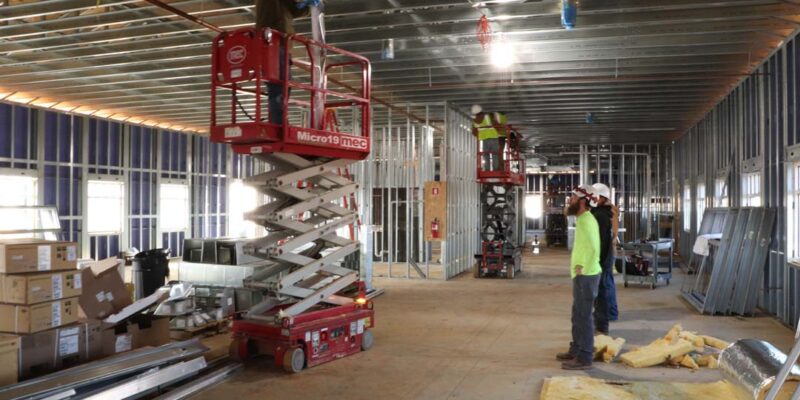
When people think about commercial HVAC and plumbing work, they usually picture crews hanging duct or setting equipment on a jobsite. What often goes unseen is the amount of preparation that happens long before anything is installed. At Young’s Mechanical Solutions, a large part of project success is determined well before crews arrive—through careful planning, in-house fabrication, and close coordination between trades.

Young’s Mechanical provides commercial HVAC and plumbing construction services for a wide range of facilities, from office buildings and healthcare spaces to manufacturing and educational facilities. Whether the project is a hard-bid public job or a design-build partnership, the goal is always the same: select the right solution and implement it efficiently, safely, and correctly the first time.

Why In-House Fabrication Matters

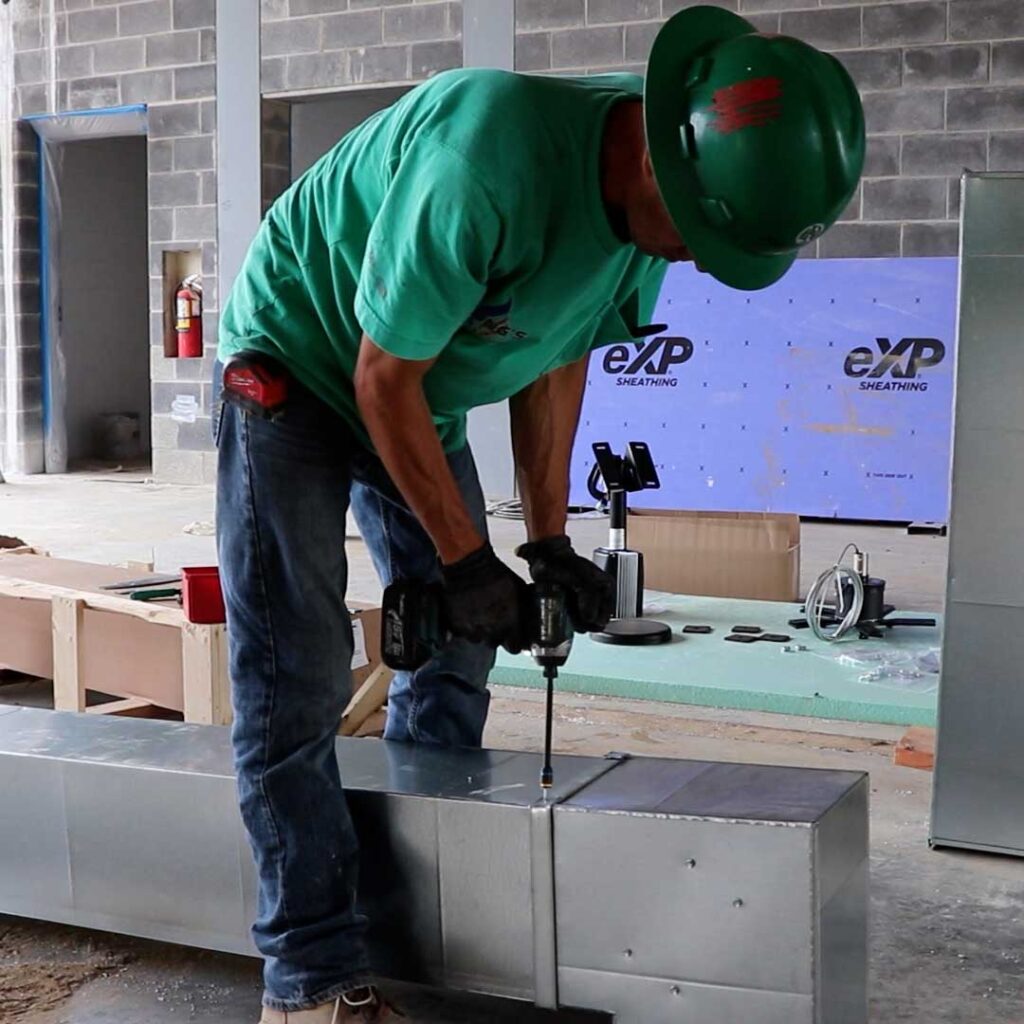
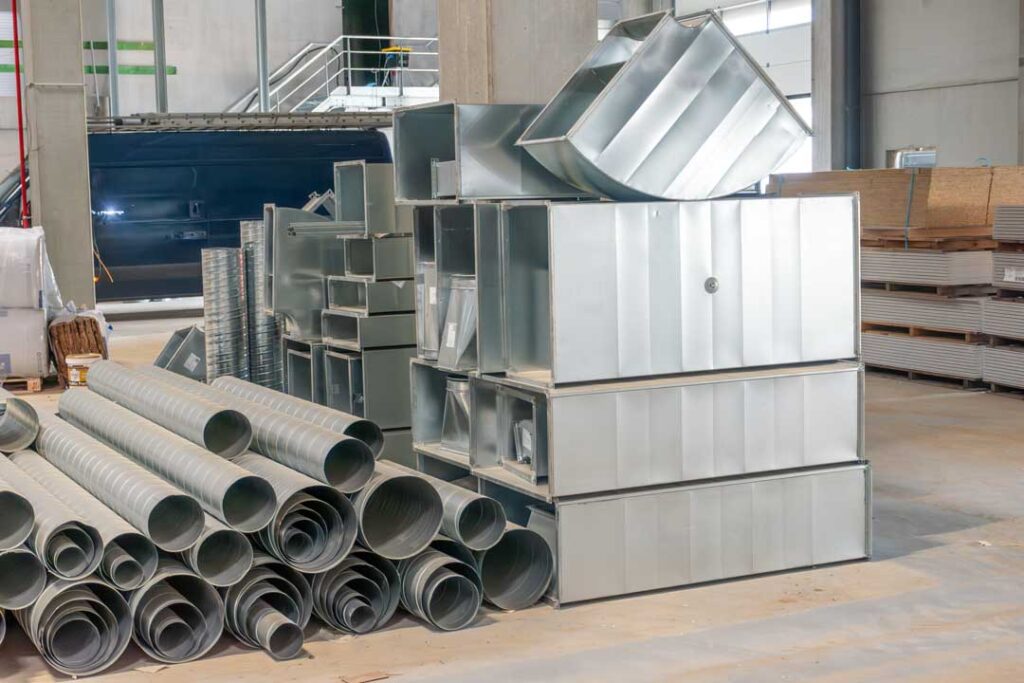
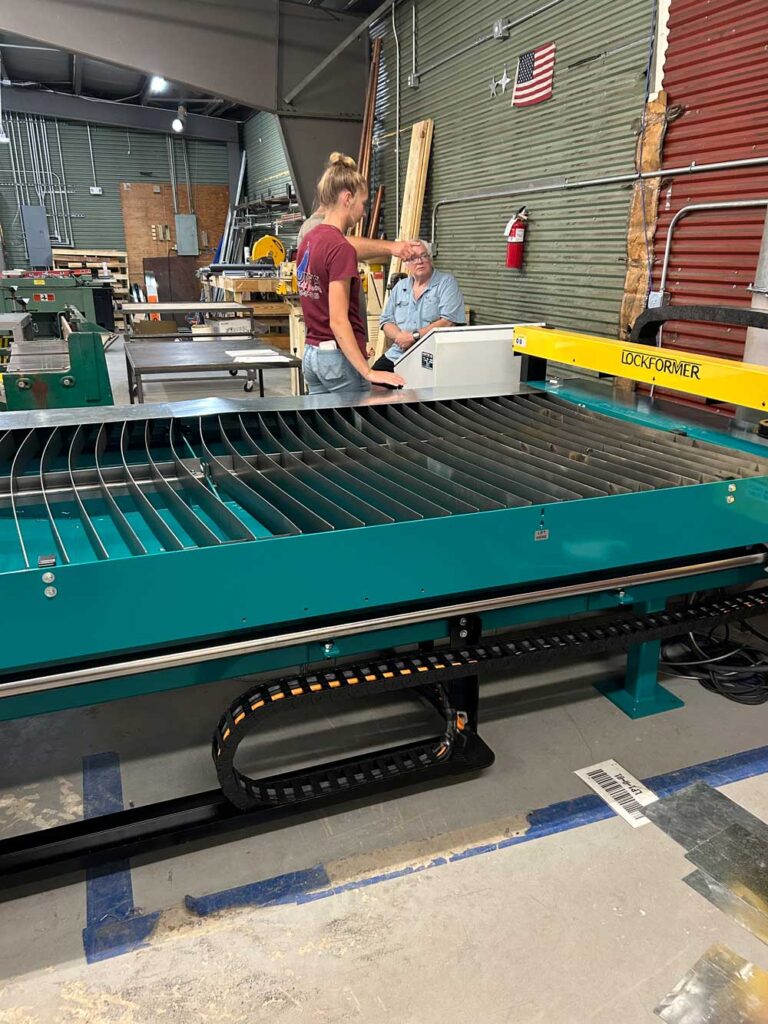
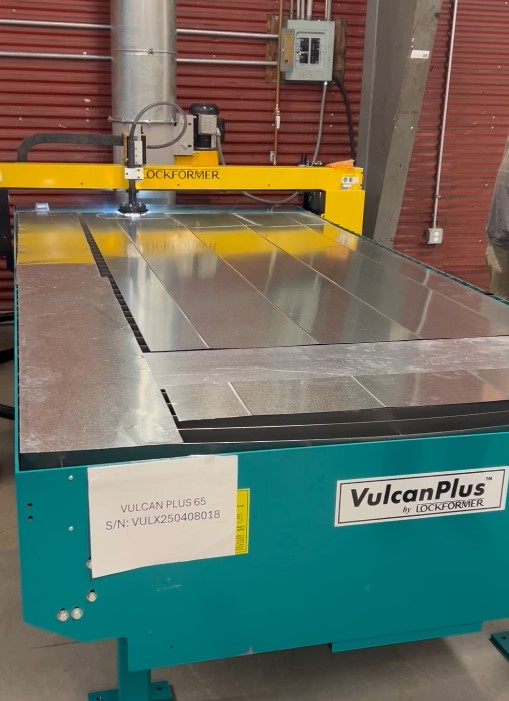
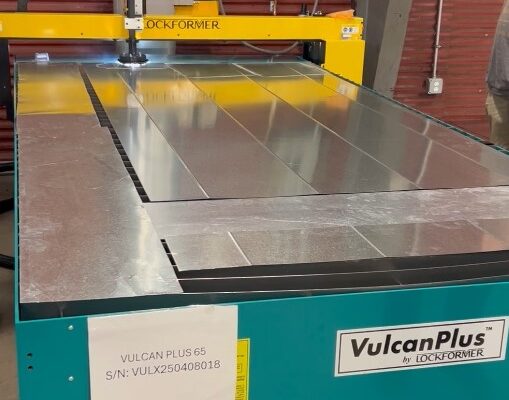
One of the biggest advantages Young’s Mechanical brings to a project is in-house ductwork fabrication. Rather than relying entirely on third-party suppliers, ductwork is fabricated at the company’s shop by experienced craftsmen. This allows tighter control over quality, dimensions, and scheduling.

Fabricating ductwork offsite reduces surprises in the field. Crews arrive with components that are built to spec, reducing the need for on-the-fly modifications that can slow progress or introduce inconsistencies. It also allows field crews to stay focused on installation instead of fabrication, which helps keep projects moving and schedules intact.

From a contractor or owner perspective, this approach minimizes delays caused by missing materials or incorrect sizing. It also supports cleaner jobsites and more predictable installation timelines—especially important on projects where multiple trades are working in tight spaces.

Coordination Without Complexity

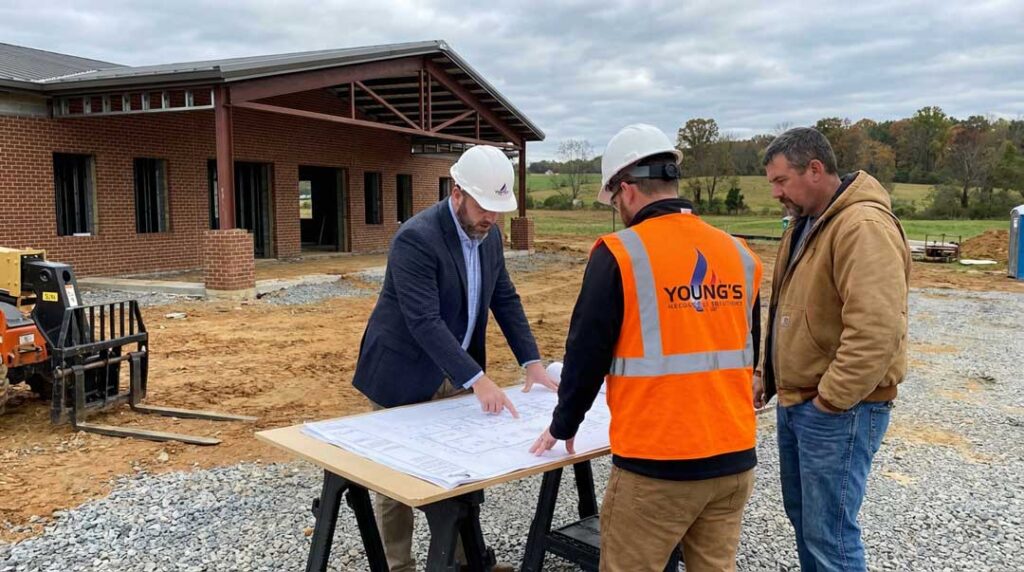
Young’s Mechanical does not rely on buzzwords or overly complex processes. Instead, projects are driven by experience, communication, and coordination. Each job is supported by a team that understands how HVAC, piping, plumbing, and controls must work together in real-world conditions.

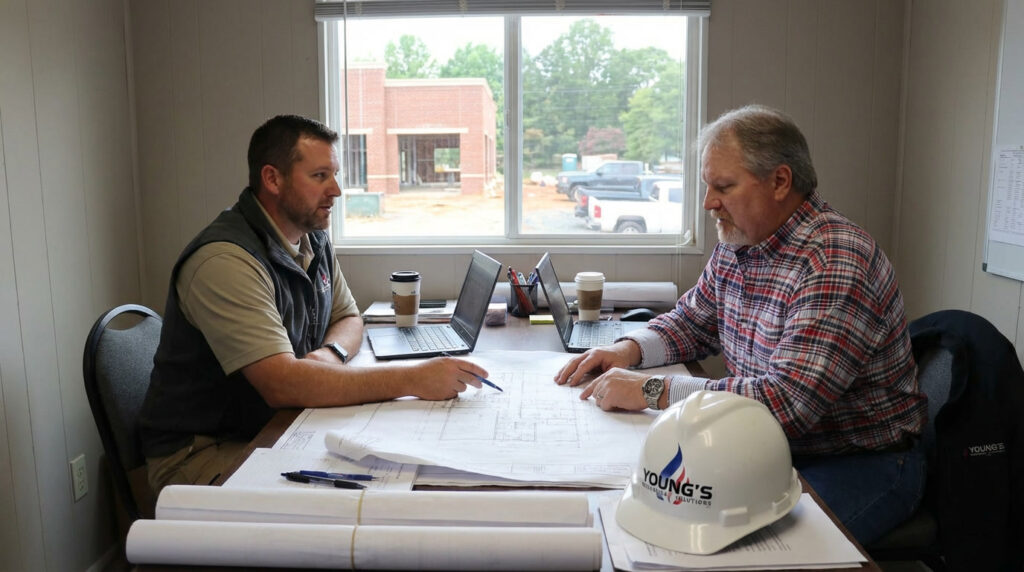
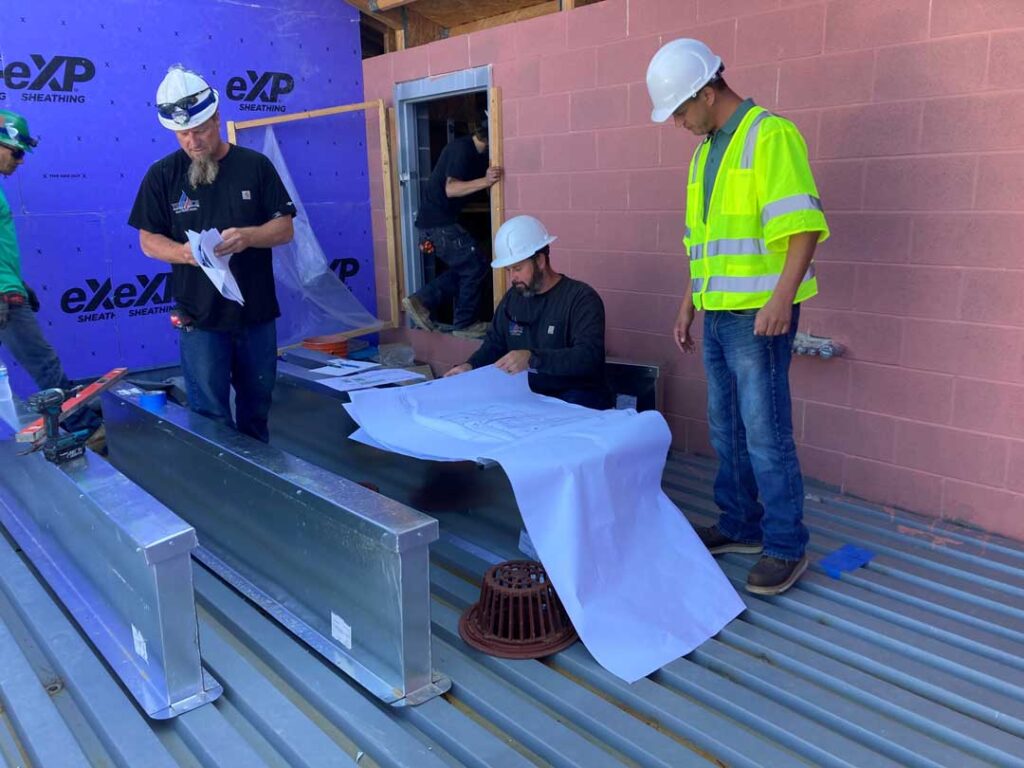
Sheet metal crews, mechanical piping crews, plumbing crews, and controls/start-up technicians all play defined roles, and those roles are coordinated early. This helps prevent conflicts between systems and ensures that installations are sequenced properly. The result is fewer change orders, less rework, and a smoother experience for general contractors and owners alike.

On design-build projects, this coordination begins even earlier. Young’s Mechanical works with project partners to evaluate system options, balance performance with cost, and choose solutions that make sense for the building’s long-term operation—not just the initial install.

Built for Efficiency and Serviceability

Good mechanical systems don’t just perform well on day one—they’re easier to service for years to come. Young’s Mechanical approaches construction with that reality in mind. Equipment placement, access clearances, and piping layouts are considered carefully so future maintenance and service can be performed efficiently.

This mindset ties directly into the company’s strong commercial service division. Because Young’s Mechanical services what it installs, construction decisions are informed by years of hands-on service experience. Systems are built to be reliable, accessible, and practical—not just technically correct on paper.

A Practical, Proven Approach

At the end of the day, successful mechanical projects are built on fundamentals: skilled tradespeople, good planning, clear communication, and quality workmanship. Young’s Mechanical Solutions focuses on those fundamentals every day.

By combining in-house fabrication, experienced field crews, and thoughtful coordination, Young’s Mechanical delivers commercial HVAC and plumbing systems that perform as intended and stand the test of time. It’s not about flashy technology—it’s about doing the work right and being a reliable partner from start to finish.

Why “Cheapest Bid” Is Rarely the Most Cost‑Effective Mechanical Solution

When owners in Rockbridge County or Albemarle County review bid tabs, the lowest
number can be tempting. However, focusing solely on upfront price often leads to
higher lifecycle costs. A cheap bid may cut corners on design, use inefficient
equipment or rely on inexperienced labor. Over the life of your building, this can result in
higher energy bills, increased maintenance expenses and premature system
replacement. A truly cost‑effective mechanical solution balances initial cost with
long‑term performance, reliability and serviceability.


At Young’s Mechanical Solutions, we pride ourselves on delivering creative and cost‑effective solutions
tailored to each project. Team members evaluates equipment efficiency, control strategies,
insulation levels and piping materials to optimize energy use and occupant comfort. We
perform value‑engineering with transparency—identifying where investments will yield
the greatest return without sacrificing quality. Our Commercial HVAC Service page
outlines how we service all brands of equipment and stay at the forefront of new
technologies, ensuring your investment continues to perform reliably. For plumbing
systems, we offer preventative maintenance and expert troubleshooting that extend
the life of your infrastructure.


Local businesses across Harrisonburg, Staunton, Lexington, Front Royal,
Winchester and Charlottesville have trusted us to deliver value rather than just low
price. Hospitals, schools and manufacturers in counties like Rockingham, Augusta,
Page and Albemarle understand that the cheapest bid can lead to unexpected
downtime and repair costs. When you compare proposals, ask your mechanical
contractor about energy efficiency, warranty coverage, service response time and the
track record of their field crews. If you want to learn how long‑term thinking translates
to lower total cost of ownership, explore our HVAC & Plumbing Construction Services,
Commercial HVAC Service and Commercial Plumbing Service pages.


What Actually Happens Before the First Piece of Duct Is Hung

For many owners and developers, mechanical work seems to begin when ducts and
pipes appear on a jobsite. In reality, successful HVAC and plumbing installations in
communities like Harrisonburg and Waynesboro start long before field crews
arrive.

At Young’s Mechanical Solutions we assign a project manager, field superintendent, engineer and other
staff members early in the process to effectively manage the construction journey.
Design reviews, estimating decisions and scope coordination happen weeks—or
months—before ground is broken. Our design‑build expertise means we help select
the right mechanical solution for each facility and implement it as quickly and efficiently
as possible.


Preconstruction also involves constructability reviews, fabrication planning and
local code analysis. When we prepare mechanical systems for a hospital in Staunton
or a university building in Lexington, our sheet‑metal, mechanical piping and plumbing
crews fabricate ductwork and pipe in our Harrisonburg shop. This off‑site preparation
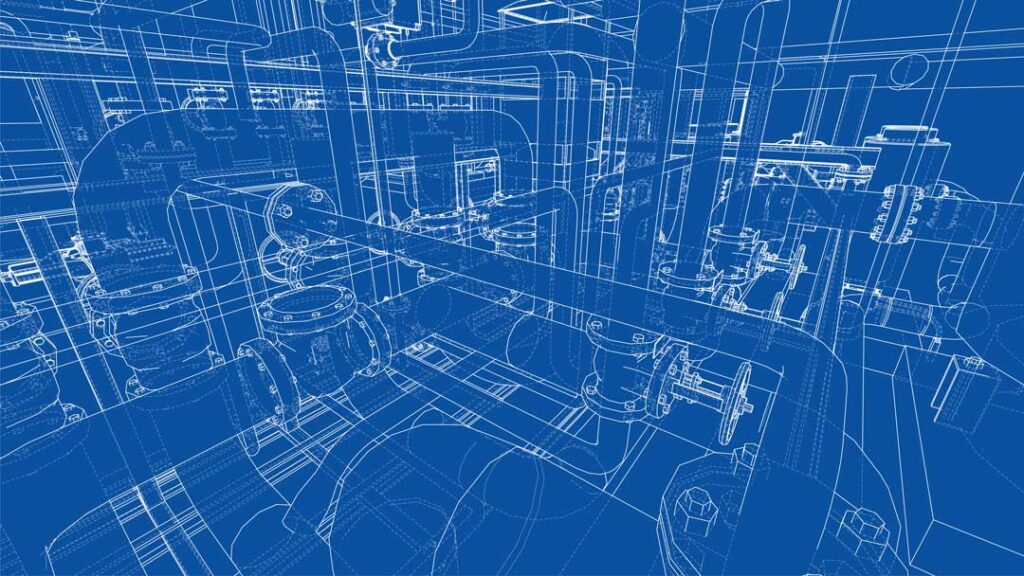
reduces disruptions and ensures quality control. Our engineers use 3D modeling and
building information modeling (BIM) tools to confirm that HVAC systems will fit within
structural steel and electrical routing, preventing costly field changes.


Because YMS is licensed in both Virginia and West Virginia, we collaborate with
architects and general contractors across Augusta County, Rockingham County,
Page County, Albemarle County and beyond. We know each county’s permitting
requirements and typical inspection timelines, which helps us protect schedules and
budgets. Before the first piece of duct is hung in a facility in Charlottesville or
Bridgewater, you can be confident that the ground work—communication, coordination
and planning—has already been done. To learn more about our holistic approach, visit
our HVAC & Plumbing Construction Services page.


The preconstruction phase also provides an opportunity to optimize energy efficiency
and sustainability. By analysing the unique climate of the Shenandoah Valley—from
the hot, humid summers in Harrisonburg to the snowy winters in Augusta County—we
design systems that meet high performance standards and reduce energy use over the
life of the building. We conduct load calculations, evaluate renewable‑energy options
and incorporate utility incentives available in areas like Charlottesville and Winchester.
Early planning means we can help owners apply for state and federal tax credits and
take advantage of local utility rebates while ensuring compliance with Virginia and
West Virginia code requirements. Engaging with our team during this critical stage gives
you a partner who treats planning as the foundation of success, not an afterthought.

Why Commercial Mechanical Projects Are Won or Lost in the Coordination Phase

When it comes to mechanical projects, coordination is not an afterthought—it’s a
deciding factor. Many clients think that choosing equipment is the most important
decision. In reality, the success of your facility in Staunton or Charlottesville depends on
how well your mechanical contractor collaborates with other trades and stakeholders.

During any commercial build, the coordination of the trades is an integral part of the
process, especially with respect to the mechanical and electrical trades. At
Young’s Mechanical Solutions we begin coordination meetings as soon as a project is awarded. We work closely
with structural engineers, electricians, fire‑protection specialists and architects to
ensure that ductwork, piping, conduit and steel all occupy the same space without
conflict.


This proactive approach pays dividends on complex projects—like medical office
buildings in Winchester or manufacturing plants in Rockbridge County—where space is
tight and schedules are demanding. Our BIM specialists create detailed models, while
our fabrication teams adapt designs for practical installation. We also use digital
coordination to plan just‑in‑time deliveries, allowing us to service clients in
Harrisonburg, Lexington, Front Royal and Charlottesville without tying up local
streets with unnecessary storage trailers.

By managing coordination diligently, we reduce change orders and protect budgets.
General contractors in Augusta County and Albemarle County appreciate how early
mechanical coordination avoids rework and schedule delays. For owners, this translates
to faster occupancy and fewer headaches. Explore our HVAC & Plumbing Construction
Services page or browse our projects to see how careful coordination has helped us
complete schools, churches and resorts throughout the Shenandoah Valley.

Effective coordination goes beyond lining up ductwork and pipe runs; it requires clear
communication, detailed documentation and sensitivity to each project’s unique
requirements. For instance, a historic renovation in downtown Staunton may involve
preserving architectural features while upgrading mechanical systems. Our team works
closely with preservation boards and code officials to ensure new infrastructure
integrates seamlessly with existing structures without compromising the character of the
building. On a hospital project in Charlottesville, we coordinate shutdowns to minimize
disruption to critical services, scheduling work around patient needs and traffic patterns.
Whether your project is a small office in Front Royal, a distribution center in Winchester
or a large educational facility in Rockingham County, our coordinated approach keeps
every stakeholder informed and ensures that mechanical systems align with overall
project goals.

PVCC Giuseppe Center in Standardsville

ANOTHER PROJECT IN PROGRESS

Young’s Mechanical Solutions is proud to have been awarded the HVAC and plumbing scope for a renovation at the PVCC Giuseppe Center in Standardsville.

Project details:

  • Hard-bid renovation
  • Remodeling a small area within a public library facility
  • Mechanical and plumbing upgrades designed to support the space long-term

We’re pleased to work with Legacy Building Company on this project and contribute to improvements in a public-serving facility.