At some point, every commercial HVAC system reaches the end of its useful life. When that time comes, the decisions you make before the project starts will have a bigger impact on cost, timeline, and long-term performance than almost anything that happens during installation.
Whether you’re managing an office building, a retail space, a healthcare facility, or a school in the Shenandoah Valley, a major system replacement is a significant capital investment. Here’s what you should be thinking about before the work begins.
Repair vs. Replace: When Is It Time?
The decision to replace a commercial HVAC system is rarely straightforward. Equipment doesn’t always fail all at once—it degrades gradually, with increasing repair frequency, declining efficiency, and rising energy costs. A few key indicators suggest replacement may be the better path: the system is 15–20+ years old, repair costs are escalating year over year, parts are becoming difficult to source, energy bills are climbing despite consistent usage, or the system can no longer maintain consistent comfort throughout the building.
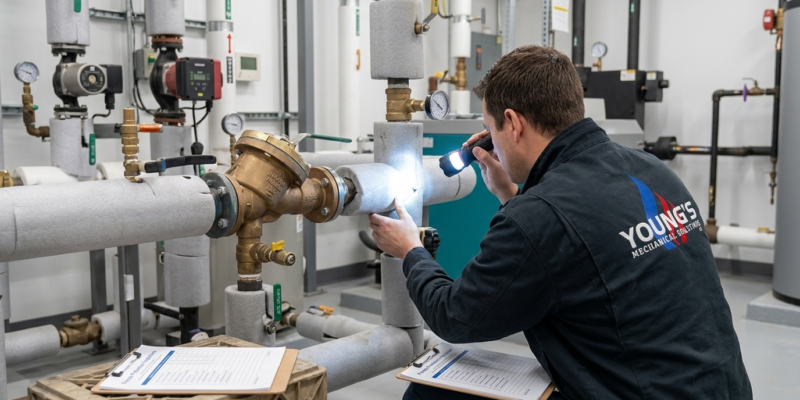
If you’ve been keeping service records—especially through a maintenance agreement—you’ll have the data to make this decision with confidence rather than guesswork.
Full Replacement vs. Phased Approach
Not every replacement needs to happen all at once. Depending on your building’s layout, the number of systems involved, and your budget, a phased replacement approach may make more sense. This allows you to spread capital costs over multiple budget cycles while addressing the most critical equipment first.
A full replacement, on the other hand, can be more efficient from a project management standpoint—one mobilization, one set of permits, and a single coordinated installation. Your mechanical contractor should be able to walk you through both options and help you evaluate what makes the most sense for your situation.
Budgeting Beyond the Equipment
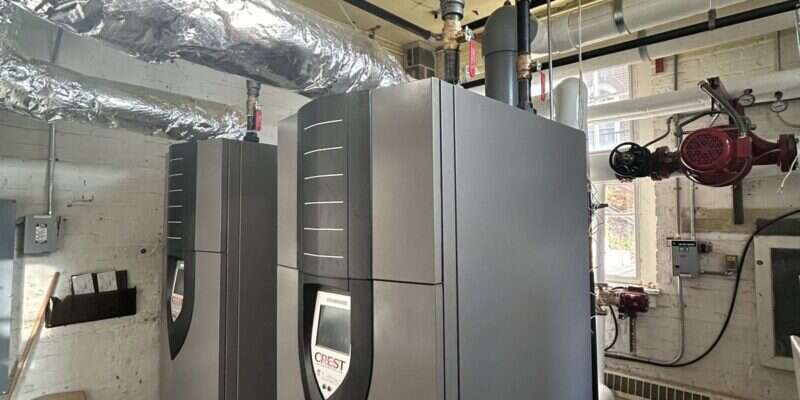
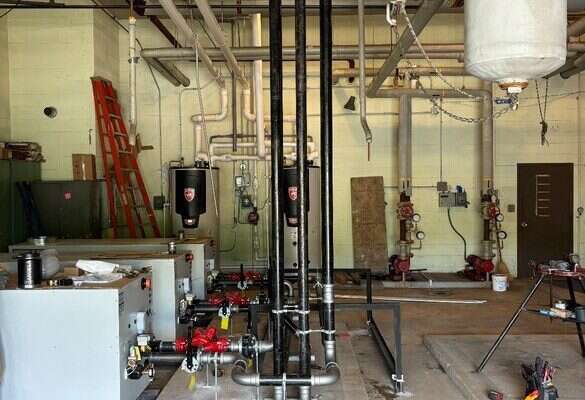
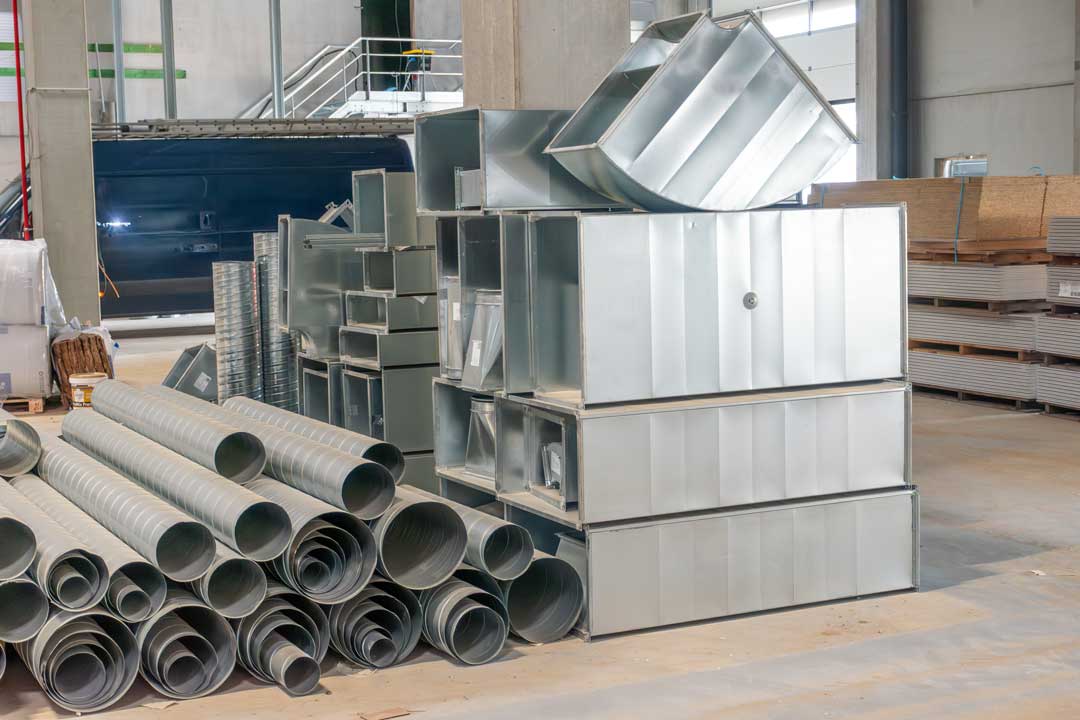
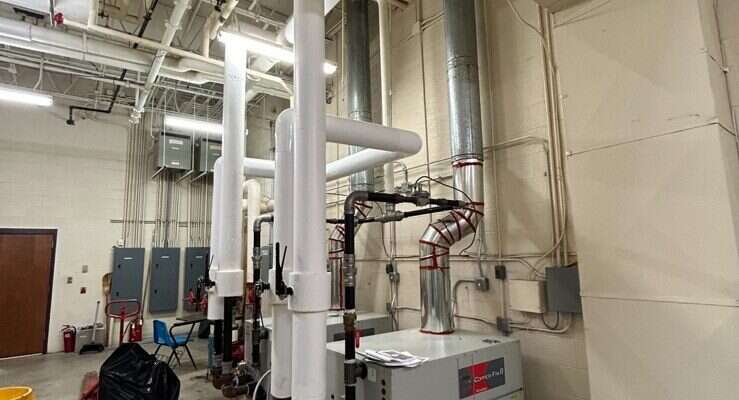
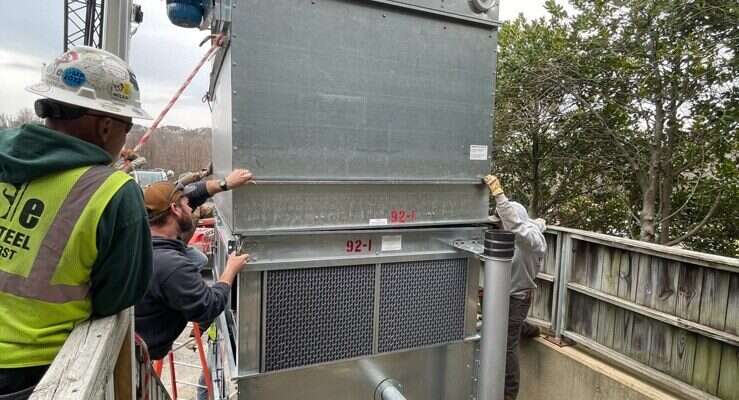
One of the most common mistakes in a system replacement is underestimating the full scope of the project. The cost of the equipment itself is only part of the picture. You should also account for demolition and removal of existing systems, ductwork modifications or replacement, electrical and controls upgrades, structural considerations for heavier or larger units, permitting and inspection requirements in Virginia and West Virginia, and temporary cooling or heating solutions during the transition.
A good mechanical contractor will help you identify these costs upfront so there are no surprises once the project is underway.
Minimizing Disruption to Building Operations
For most commercial buildings, the facility can’t just shut down while HVAC work is completed. Tenants, employees, patients, students—whatever your occupancy looks like—expect the building to function. Planning for minimal disruption should be a central part of your replacement strategy.
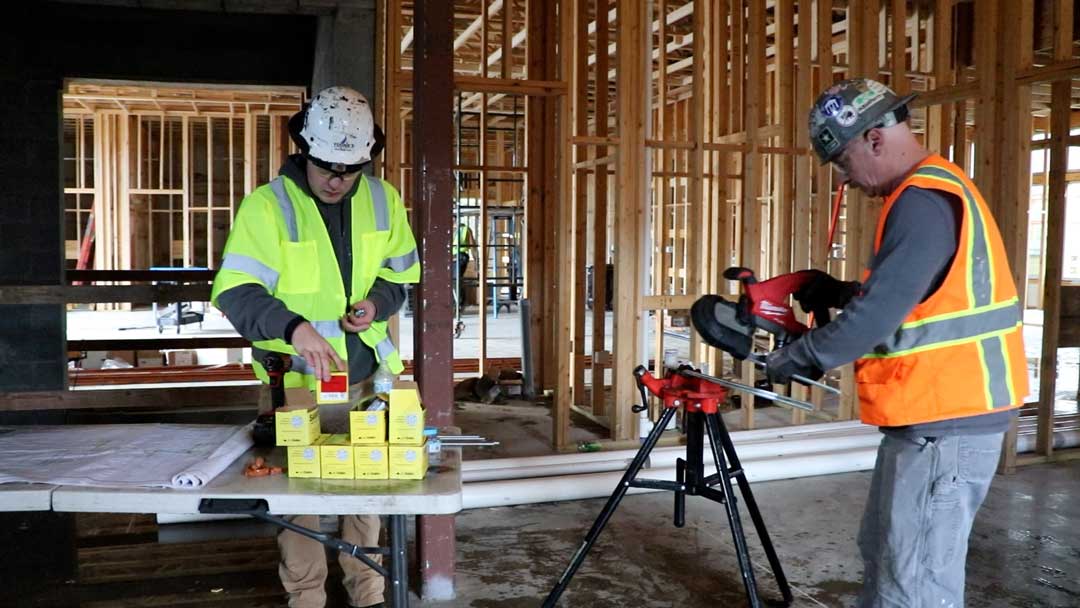
This means working with your contractor to schedule work during off-hours or low-occupancy periods, staging the replacement so parts of the building remain operational, planning for temporary heating or cooling during transition periods, and coordinating with other trades if the project involves broader construction.
Experienced commercial mechanical contractors plan around your operations, not the other way around.
Choosing the Right Mechanical Contractor
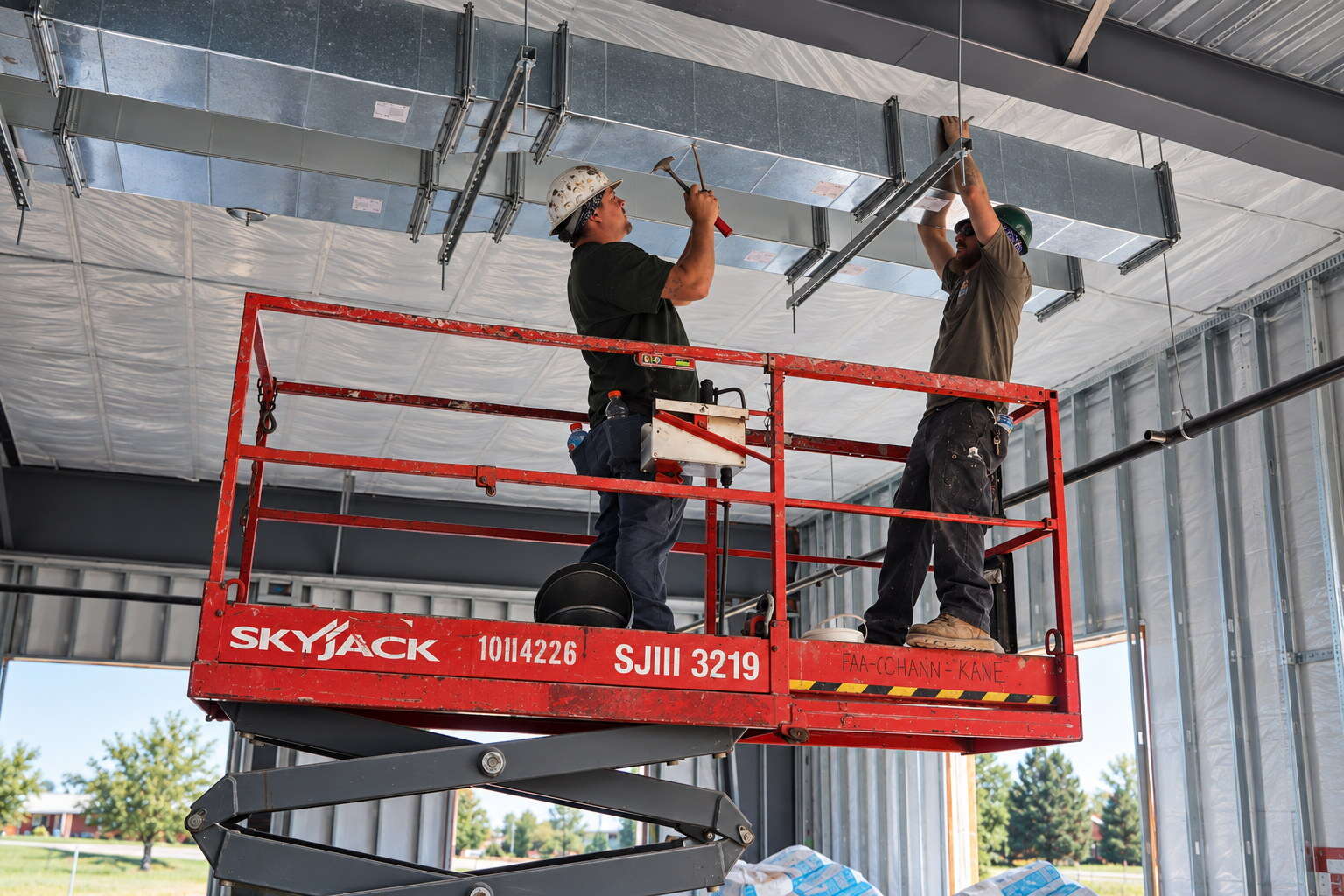
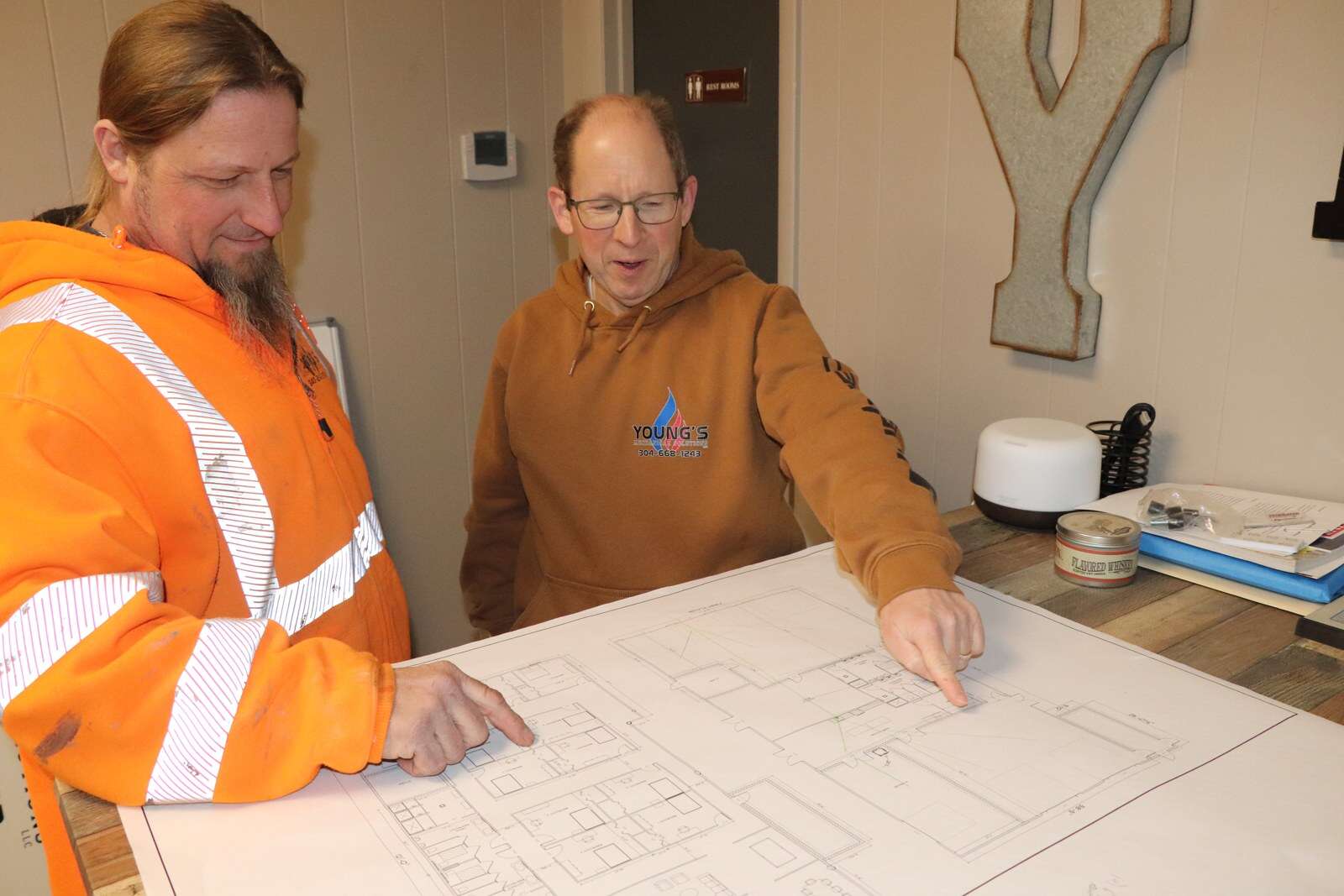
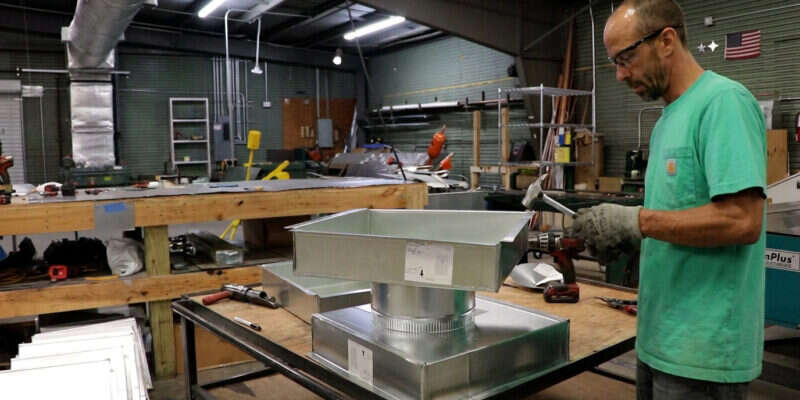
A major system replacement is not the time to go with the lowest bidder without understanding what you’re getting. The contractor you choose should have deep experience with commercial HVAC systems—not residential. They should be able to demonstrate in-house capabilities including ductwork fabrication, mechanical piping, and controls, carry proper licensing for your jurisdiction, provide references from similar commercial projects, and communicate clearly about timelines, costs, and any issues that arise during the project.
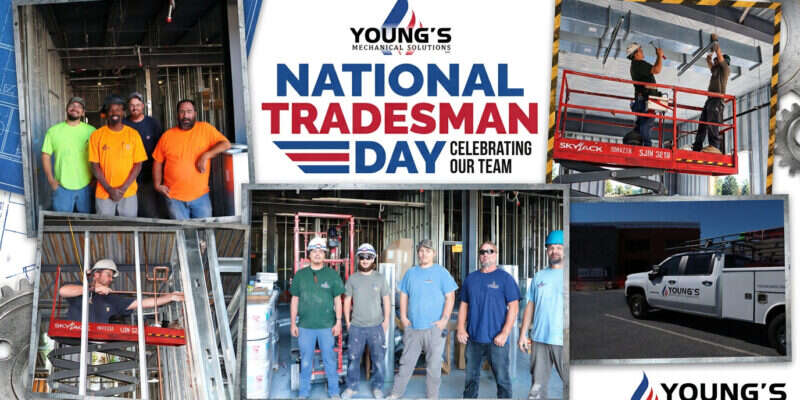
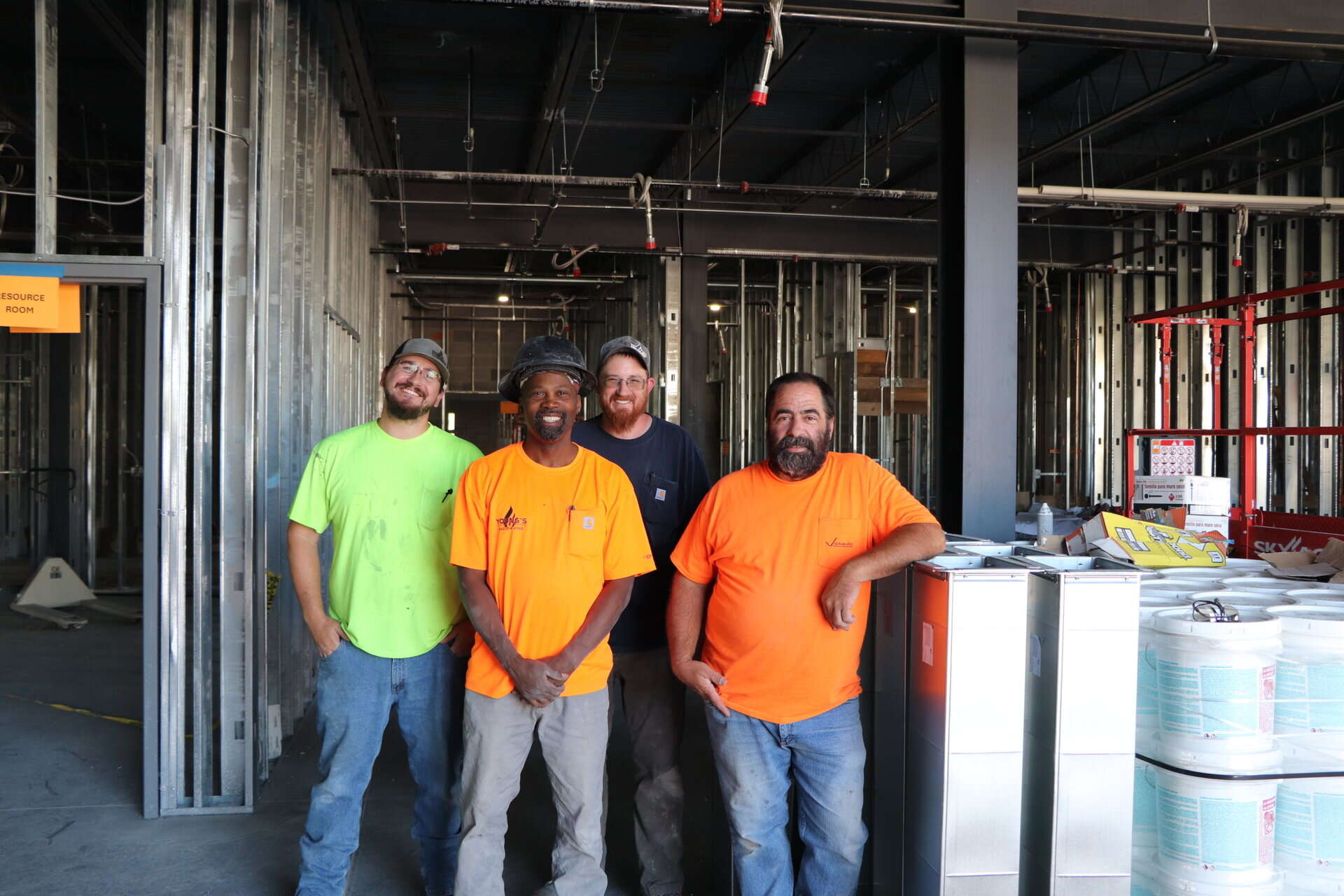
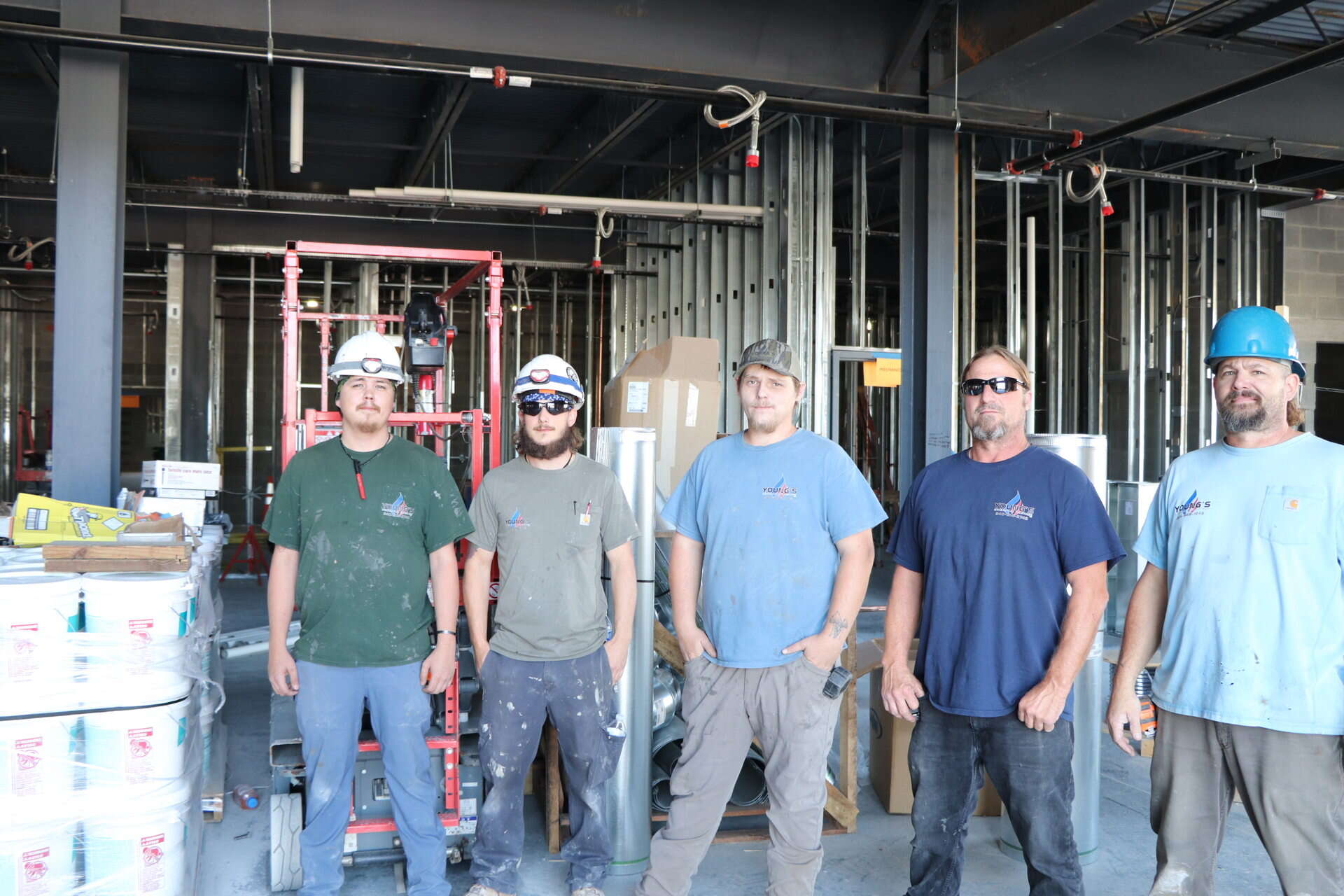
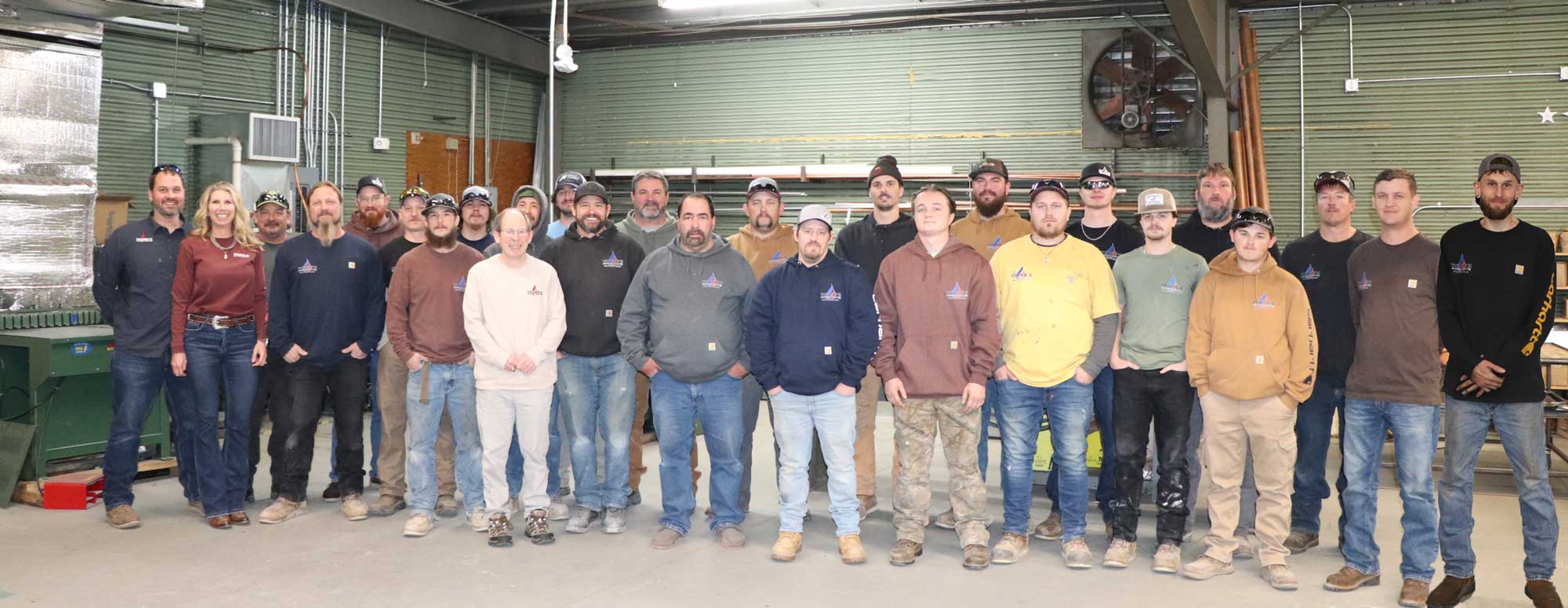
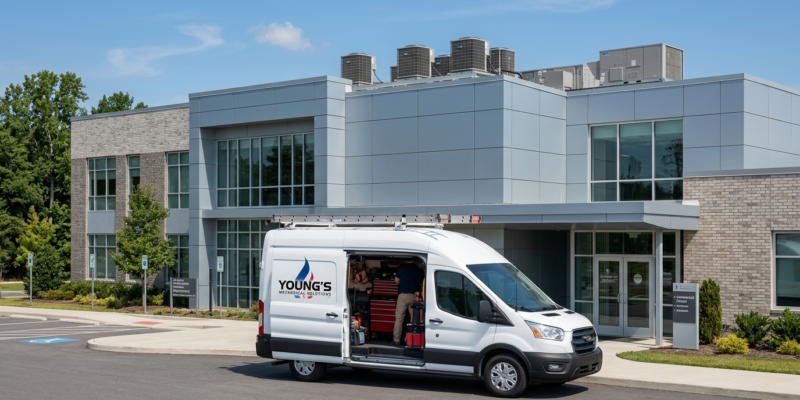
Young’s Mechanical Solutions brings over two decades of commercial mechanical experience, in-house fabrication, and a team that includes sheet metal crews, piping crews, plumbing crews, and controls technicians—all under one roof. We’re licensed in both Virginia and West Virginia.
Thinking Long-Term: Efficiency and Technology
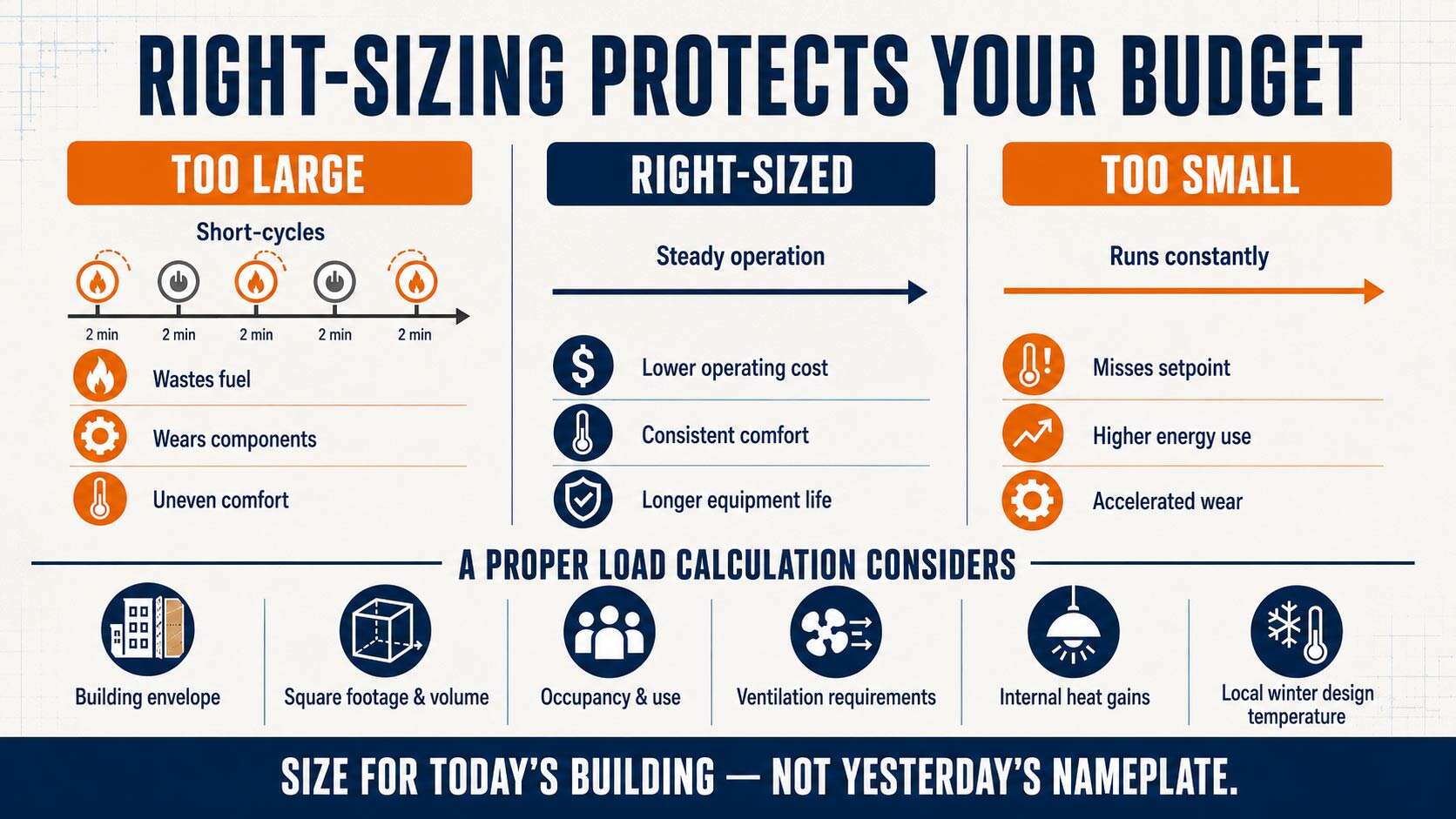
A system replacement is also an opportunity to upgrade. Today’s commercial HVAC equipment offers significantly better energy efficiency, smarter controls, and improved indoor air quality compared to systems installed even ten years ago. If your current system was designed for a different building use or occupancy level, a replacement gives you the chance to right-size and optimize for how the building is actually used today.
Investing in higher-efficiency equipment and modern controls can reduce operating costs for years to come—making the upfront investment easier to justify.
Start the Conversation Early
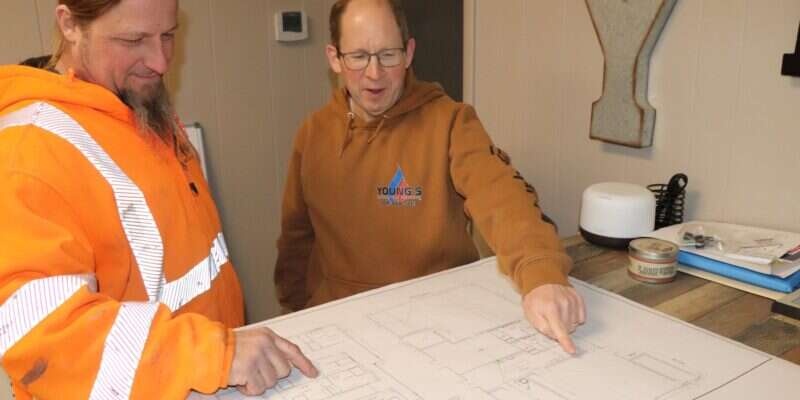
The best time to start planning a major HVAC replacement is before the old system forces your hand. If you’re seeing the warning signs—rising repair costs, declining performance, aging equipment—now is the time to bring in a commercial mechanical contractor to assess your options.
Contact Young’s Mechanical Solutions to schedule a consultation. We’ll evaluate your current systems, walk you through your options, and help you develop a replacement plan that fits your budget and timeline.
Phone: 540-214-2745
Email: info@youngsmechanicalsolutions.com
Service Area: Harrisonburg, VA and the Shenandoah Valley | Licensed in Virginia and West Virginia