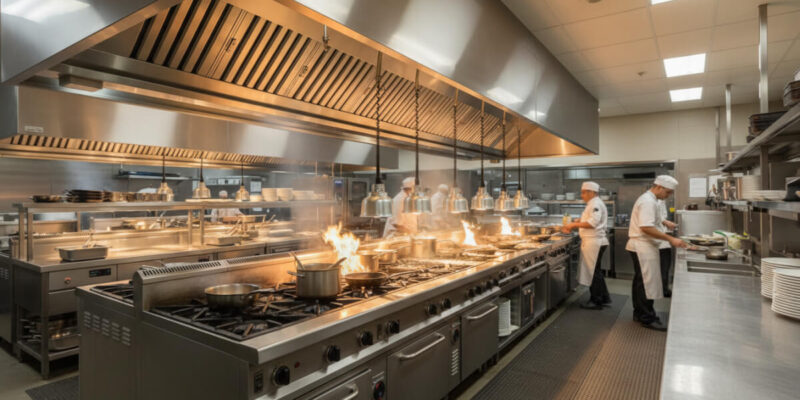
Commercial kitchens push mechanical systems harder than almost any other building environment. Between fryers, charbroilers, steamers, and ovens running at full capacity, the heat and grease load on your exhaust and make-up air systems is relentless — and it only intensifies once outdoor temperatures climb into the nineties. Spring is the critical window to service your commercial kitchen HVAC before mid-summer demand exposes every deferred issue at once.
Why Commercial Kitchen HVAC Demands More Than Standard Maintenance

A typical office HVAC system handles temperature and humidity. A commercial kitchen ventilation system handles all of that plus massive internal heat gains, airborne grease, moisture from steam equipment, and strict fire and health code requirements. These factors make kitchen exhaust systems one of the most maintenance-intensive mechanical categories in any commercial facility.
Grease is the primary differentiator. It coats fan blades, accumulates inside ductwork, clogs filters, and eventually restricts airflow. When airflow drops, kitchen temperatures rise, cooking equipment works harder, and the risk of a grease-related fire increases. At the same time, the make-up air unit — the system responsible for replacing the air your exhaust hood pulls out — has to keep pace. If it can’t, you get negative pressure in the kitchen: doors that are hard to open, inconsistent hood capture, and uncomfortable conditions for staff.
Code compliance adds another layer. NFPA 96, the standard governing commercial cooking ventilation, requires regular inspection and cleaning of exhaust systems. Health departments in Virginia and West Virginia expect functional ventilation as part of routine inspections. Falling behind on maintenance doesn’t just create comfort problems — it creates compliance exposure.
A Spring Maintenance Checklist for Kitchen Exhaust and Make-Up Air Systems

If your restaurant, university dining hall, hospital cafeteria, or institutional kitchen hasn’t had its ventilation system serviced since fall, spring is the time. Here’s what a thorough commercial kitchen ventilation inspection should cover.
Exhaust Fan Inspection
Rooftop exhaust fans are the workhorses of any kitchen ventilation system. Spring service should include checking belt tension and condition, inspecting bearings for wear or noise, verifying motor amp draw against nameplate ratings, and cleaning grease buildup from fan blades and housings. A fan running with a worn belt or grease-loaded blades loses significant airflow capacity — exactly the kind of problem that won’t show up until July, when the kitchen is already struggling.
Ductwork and Hood Inspection
Even with regular hood cleaning by a fire-suppression contractor, grease can accumulate in horizontal duct runs and at transitions. A mechanical inspection looks at duct integrity, access panel seals, and any signs of corrosion or separation at joints. We also verify that fire dampers and suppression system tie-ins are functioning correctly.
Make-Up Air Unit Service
The make-up air unit (MAU) is often overlooked because it doesn’t sit directly above the cooking line. But it’s just as critical. Spring service should include replacing or cleaning filters, inspecting heating and cooling coils for damage or fouling, checking damper operation and actuators, and verifying that the unit is interlocked properly with the exhaust fan — meaning it starts and stops in coordination. A malfunctioning MAU creates pressure imbalances that reduce exhaust hood performance and drive up energy costs.
Controls and Balancing
Kitchen ventilation isn’t just about moving air — it’s about moving the right amount of air. Demand-controlled kitchen ventilation (DCKV) systems use sensors to ramp fans up and down based on cooking activity, saving significant energy. If your facility has DCKV, spring is the time to calibrate sensors, test variable frequency drives (VFDs), and verify that the system is responding correctly. Even facilities without DCKV benefit from an airflow balance check to make sure exhaust and supply volumes are within design specifications.
The Real Cost of Skipping Spring Service
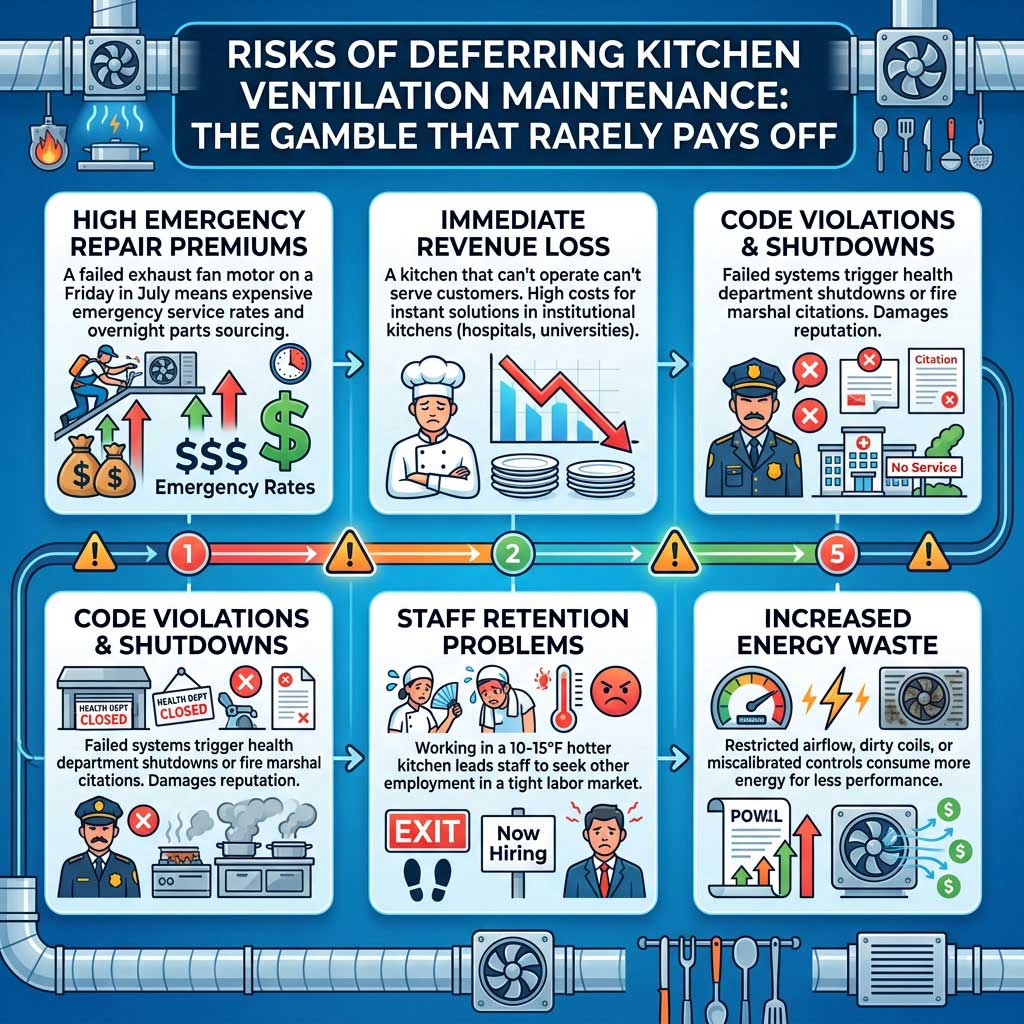
Deferring kitchen ventilation maintenance until something breaks is a gamble that rarely pays off. Here’s what facility managers typically face when systems fail in mid-summer:
- Emergency repair premiums. A rooftop exhaust fan motor failure on a Friday afternoon in July means emergency service rates and potential overnight parts sourcing. The same motor replaced during a planned spring visit costs a fraction of the emergency bill.
- Revenue loss. A restaurant that can’t operate its kitchen is a restaurant that can’t serve customers. Institutional kitchens supporting hospitals or universities can’t simply close — they need immediate solutions, which limits options and increases cost.
- Code violations. A failed exhaust system isn’t just uncomfortable. It can trigger a health department shutdown or a fire marshal citation. Neither outcome is good for your operation or your reputation.
- Staff retention problems. Kitchen staff working in a space that’s ten to fifteen degrees hotter than it should be will look for other employment. In a tight labor market, that’s a real operational cost.
- Energy waste. Systems running with restricted airflow, dirty coils, or miscalibrated controls consume more energy for less performance. That inefficiency compounds over an entire cooling season.
How Young’s Mechanical Solutions Supports Commercial Kitchen Ventilation
Our team works with restaurants, institutional dining facilities, breweries, and commercial kitchens across the Shenandoah Valley and West Virginia. We understand the restaurant mechanical environment — the urgency, the code requirements, and the fact that downtime directly impacts your operation.
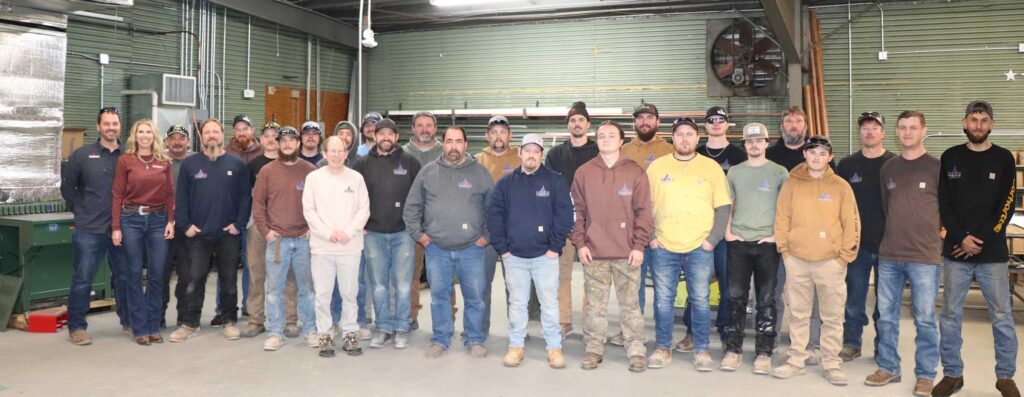
What sets us apart is our in-house capability. Our sheet metal shop fabricates custom ductwork, transitions, and components right here in Harrisonburg, VA. When a kitchen exhaust system needs a replacement section, a modified hood connection, or a new make-up air duct run, we don’t wait on a third-party fabricator. That means faster turnaround on both planned maintenance and emergency repairs.
We also offer service agreements tailored to commercial kitchen environments. Rather than reacting to breakdowns, a service agreement puts your exhaust systems, make-up air units, and kitchen HVAC on a scheduled maintenance cycle. Our technicians document system condition at every visit, giving you a clear maintenance history for code compliance and budgeting purposes.
For facilities that need more than maintenance, our design-build team can evaluate whether your current ventilation system matches your kitchen’s actual cooking load. Menus change, equipment gets upgraded, and kitchens expand — but the ventilation system doesn’t always keep up. We can design and install upgrades that bring your system back into balance.
Spring is the right time to get ahead of summer. If your commercial kitchen HVAC hasn’t been inspected this year, contact our service team at 540-214-2745 to schedule a maintenance visit. We’ll walk your facility, assess your exhaust and make-up air systems, and make sure your kitchen is ready for the months ahead.